Gujarat SWAGAT: CM orders time-bound action on 4,122+ grievances
Synopsis
More than 4,122 citizen complaints, about land grabs, illegal house occupation, sewage on farmland and NHAI using private land without due process, reached Gujarat's SWAGAT system this month. CM Bhupendra Patel ordered deadlines, an FIR warning for repeat encroachers and the return of land. The question now is whether the districts deliver.
Key Takeaways
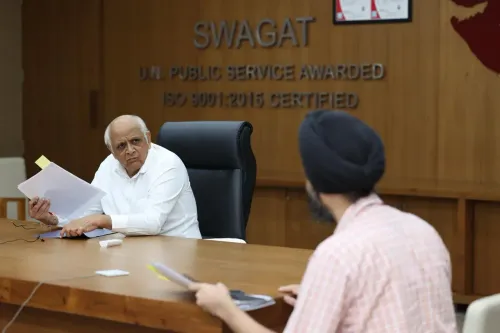
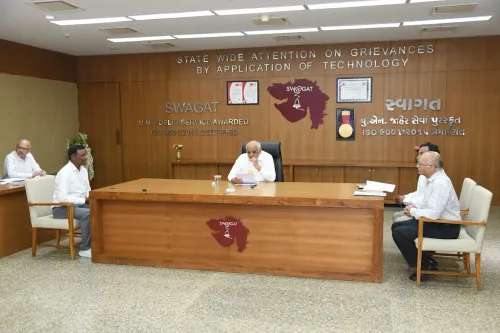
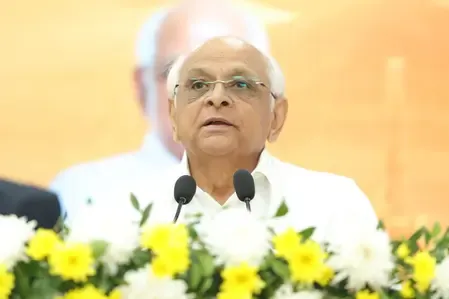
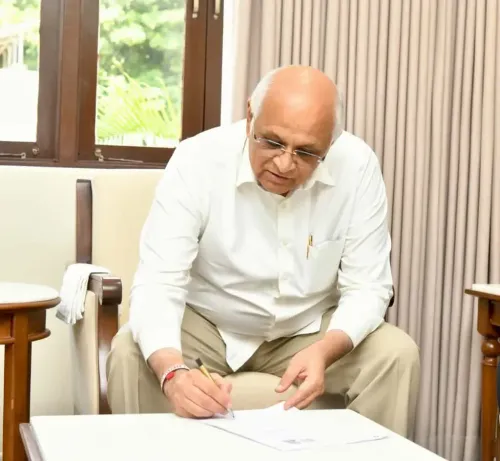
Gujarat CM Bhupendra Patel ordered time-bound action at the November 2026 State-level SWAGAT programme in Gandhinagar .
Action was initiated on more than 4,122 representations , including 1,733 at the district level and 2,149 at the taluka level.
More than 240 applicants personally attended the Chief Minister's Office.
A Kuwadva-based company is to receive its pending subsidy within one month , and an FIR was ordered if encroachment in Lunidhar , Amreli, is repeated.
The Roads and Buildings Department was told to start legal steps to return private land used for an NHAI alignment in Morbi .
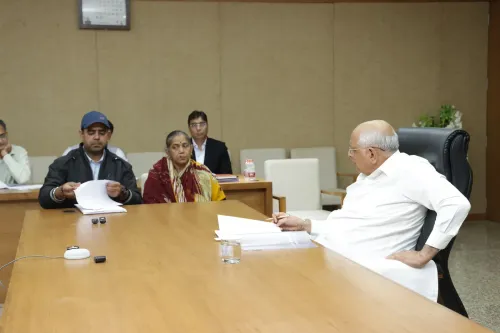
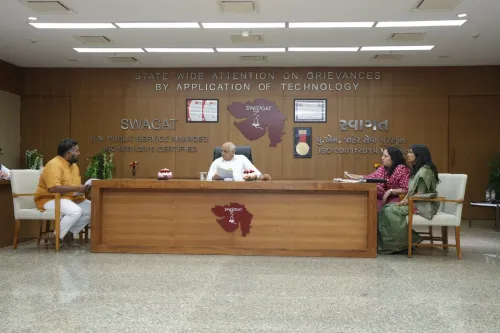
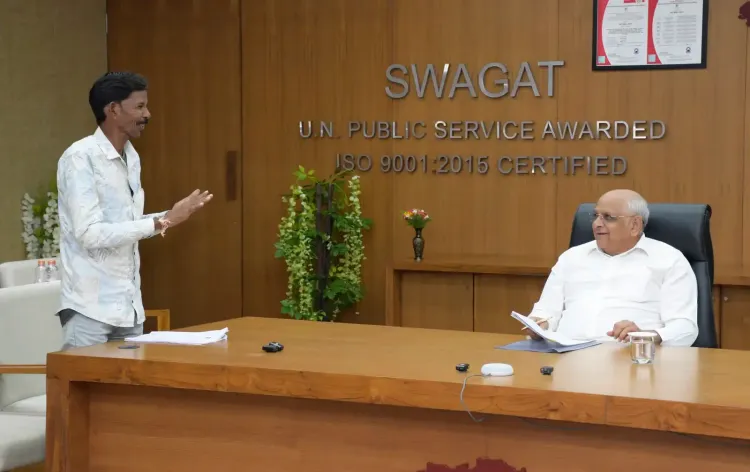
Gujarat Chief Minister Bhupendra Patel has directed district collectors and department officials to fast-track the resolution of citizens' complaints raised during the November 2026 State-level SWAGAT programme in Gandhinagar. The complaints covered land disputes, illegal encroachments, sewage problems and delays in handing over government-approved plots. Across the state, authorities initiated action on more than 4,122 representations received through State, district and taluka-level SWAGAT programmes.
More than 240 applicants attended the Chief Minister's Office in person to submit their grievances. Patel asked officials to handle public representations positively and to resolve grievances within stipulated timelines.
Key Figures From the November Programme
Of the representations taken up, 1,733 were received at the district level and 2,149 at the taluka level. These were in addition to the cases heard during the State-level programme in Gandhinagar.
District collectors joined the proceedings through video conferencing. Senior officials present in Gandhinagar included Additional Principal Secretary to the Chief Minister Dr Vikrant Pandey, Officers on Special Duty Dheeraj Parekh and Rakesh Vyas, and secretaries of the concerned departments.
Land, Plot and Subsidy Cases Addressed
Patel directed the Rajkot district administration to complete the formalities and hand over a plot, along with its allotment certificate, to an applicant from Atkot village in Jasdan taluka. The applicant had sought possession of a plot approved in his father's favour.
In a second Rajkot case, the Chief Minister told the Industries and Mines Department to make sure a private limited company in Kuwadva village receives its pending government subsidy within one month.
A farmer from Sagwadi village in Sihor taluka of Bhavnagar district had sought a village-site plot. Patel instructed the district collector to arrange a plot in a neighbouring village wherever one is available.
In Morbi district, an applicant said private land had been used for a National Highways Authority of India (NHAI) road alignment without following the prescribed legal procedure. The Chief Minister instructed the Roads and Buildings Department to begin legal proceedings to return the land.
Action on Encroachments and Illegal Occupation
Patel directed the Amreli district collector to immediately remove illegal encroachments in Lunidhar village of Kunkavav-Vadia taluka. He also instructed that an FIR be registered against the person responsible if the encroachment is repeated.
An Ahmedabad resident alleged that others had illegally occupied his house by intimidating and threatening him. Patel directed the district collector and the police commissioner to take immediate steps to remove the occupants and restore the house to the applicant.
Sewage and Lake Pollution Complaints
A farmer complained that sewage water was collecting on agricultural land within the Kadi Municipality area of Mehsana district. Patel directed the Gujarat Urban Development Company (GUDC) to stop the discharge from stagnating on farmland and to finish the required sewerage pipeline work at the earliest.
The beautification of Tandlaja Lake in Vadodara was also raised, along with complaints about polluted water entering the lake. The Chief Minister told the municipal commissioner to lay pipelines and set up a proper disposal system so that sewage does not flow into the lake. He also directed authorities to replace the old main sewer line and complete the beautification work quickly.
About the SWAGAT Mechanism
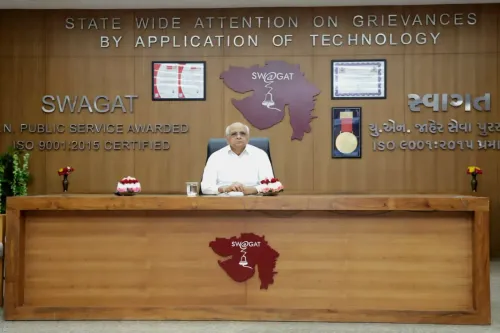
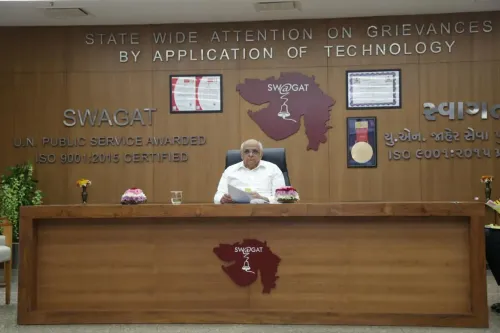
SWAGAT, short for State Wide Attention on Grievances by Application of Technology, was introduced by Prime Minister Narendra Modi as a technology-based system for handling public grievances. At the State-level programme, citizens can take their complaints directly to the Chief Minister. District and taluka-level sessions deal with grievances at the local administrative level.
The next test is whether departments meet the deadlines Patel set, including the one-month window for the Kuwadva subsidy and the immediate action ordered in the Amreli and Ahmedabad cases.
Point of View
A house allegedly taken through intimidation, and private land used for a national highway without legal process. Patel's deadlines matter, but the volume of cases, more than 4,122 in one cycle, points to a systemic gap in district-level accountability. The real measure of the programme is whether these cases stop recurring, not how many are taken up each month.
NationPress
26 Nov 2026
Frequently Asked Questions
What is the SWAGAT programme in Gujarat?
SWAGAT (State Wide Attention on Grievances by Application of Technology) is a technology-based grievance redressal system introduced by Narendra Modi. Citizens can raise complaints directly with the Chief Minister at the State level, or at district and taluka-level sessions.
How many grievances were taken up in the November 2026 SWAGAT programme?
Action was initiated on more than 4,122 representations across State, district and taluka levels. These included 1,733 at the district level and 2,149 at the taluka level, while more than 240 applicants attended the CM's Office in person.
What did CM Bhupendra Patel order during the programme?
Patel ordered time-bound resolution of grievances, including handing over a plot in Rajkot, releasing a pending subsidy within a month, and removing encroachments in Amreli. He also directed action on sewage problems in Kadi and at Tandlaja Lake in Vadodara.
What action was ordered against illegal encroachment in Amreli?
The Amreli collector was told to immediately remove illegal encroachments in Lunidhar village of Kunkavav-Vadia taluka. Patel also instructed that an FIR be registered if the encroachment is repeated.
What happened in the Morbi NHAI land case?
An applicant said private land was used for an NHAI road alignment without following the prescribed legal procedure. The CM directed the Roads and Buildings Department to initiate legal proceedings to return the land.