Owaisi Questions UP CM's Silence on State's Beef Export Role
Synopsis
AIMIM president Asaduddin Owaisi has publicly challenged UP Chief Minister Yogi Adityanath to explain why he stays silent on Uttar Pradesh's status as a major beef exporter, spotlighting a long-standing tension between cow-protection politics and the state's buffalo meat export economy.
Key Takeaways
AIMIM president Asaduddin Owaisi posted on June 15, 2026 questioning why UP CM Yogi Adityanath is silent on the state's beef export role.
India's policy permits export of buffalo meat (carabeef) while cow slaughter remains banned in most states including Uttar Pradesh .
In 2017 , the Yogi Adityanath government ordered closure of thousands of illegal slaughterhouses, even as licensed buffalo meat processing continued.
Uttar Pradesh is a significant centre for buffalo meat processing and India ranks among the world's top suppliers of carabeef.
The meat trade supports large numbers of workers — including Muslim butchers and meat exporters — concentrated in Uttar Pradesh .
No official response from the UP government or BJP has been issued as of publication.
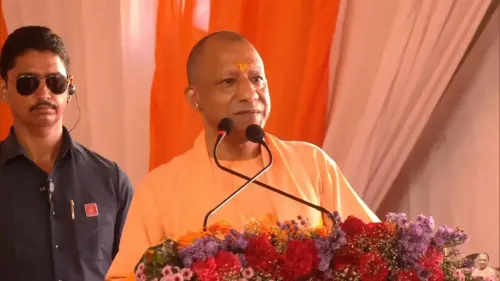
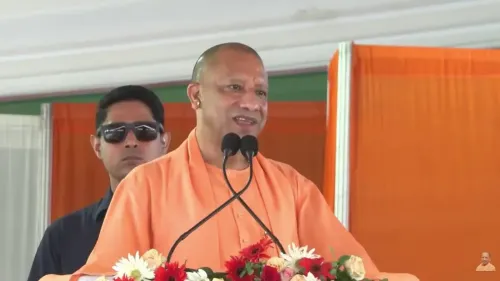
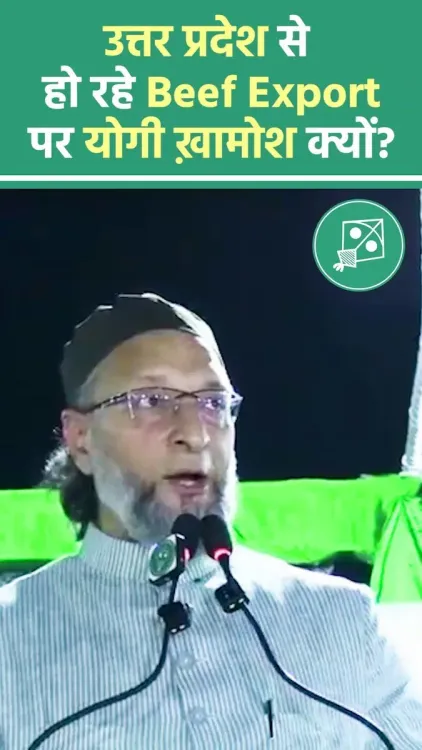
AIMIM president Asaduddin Owaisi on Monday, June 15, 2026, posted a pointed question on X challenging Uttar Pradesh Chief Minister Yogi Adityanath over the state's position as what Owaisi called the country's largest beef exporter, asking why the CM remains silent on the matter.
In his post, Owaisi wrote: 'Uttar Pradesh desh ka sabse bada Beef Exporter hai, lekin yahan ke mukhyamantri is par kuch kyun nahin bolte?' — translating to: 'Uttar Pradesh is the country's largest beef exporter, but why does the Chief Minister here say nothing about this?'
Context
Uttar Pradesh is a major hub for buffalo meat processing and export in India. The country permits export of carabeef — meat derived from buffaloes — while cow slaughter remains banned in most states, including Uttar Pradesh. This legal distinction is central to understanding the meat export industry's footprint in the state.
Owaisi, a Lok Sabha MP from Hyderabad, has consistently raised issues at the intersection of economic policy and communal politics. His post, accompanied by a video, appears to highlight what he frames as a contradiction between the Yogi Adityanath government's public stance on cow protection and the state's commercial participation in the meat export economy.
Policy Backdrop
When Yogi Adityanath assumed office as Chief Minister in 2017, his government ordered the closure of thousands of illegal slaughterhouses across Uttar Pradesh, a move widely seen as aligned with the BJP's cow protection agenda. Between 2015 and 2017, multiple BJP-governed states also strengthened cow protection legislation and raised penalties for illegal slaughter.
Yet the broader policy framework — set at the central level across successive governments — has long permitted the export of buffalo meat while prohibiting the export of cow beef. This has allowed Uttar Pradesh's meat processing clusters to continue operating and contributing to export revenues, even as anti-slaughter enforcement intensified domestically.
India ranks among the world's top suppliers of buffalo meat, and the industry supports a significant workforce including meat exporters, slaughterhouse workers, and Muslim butchers, many of whom are concentrated in Uttar Pradesh.
Stakeholders and Impact
The tension Owaisi highlights is not new. Uttar Pradesh governments have simultaneously promoted meat processing clusters as economic drivers while enforcing stricter anti-slaughter regulations — a dual approach that critics argue creates political inconsistency. Workers in the meat trade, many from minority communities, have faced economic disruption during enforcement drives.
For AIMIM and opposition voices more broadly, the buffalo meat export industry's scale in a BJP-governed state represents a recurring political flashpoint — one that questions whether the rhetoric of cow protection aligns with the economic realities the state administration chooses to sustain.
What's Next
An official response from the Uttar Pradesh government or the BJP to Owaisi's challenge has not emerged as of publication. The question may resurface during the next session of the state assembly or in debates around central export policy reviews. Whether the post triggers a formal clarification on UP's meat export data or policy position remains to be seen, but it adds to a sustained opposition narrative questioning the consistency of cow-protection politics with ground-level economic practice.
Point of View
Designed to expose what he frames as a structural hypocrisy at the heart of BJP governance in Uttar Pradesh — where cow-protection rhetoric coexists with a commercially significant buffalo meat export industry. The move fits a broader AIMIM strategy of using economic data to challenge the BJP's cultural nationalist narrative rather than engaging it on purely ideological grounds. For the Yogi Adityanath government, any response risks either alienating its Hindu nationalist base or appearing to endorse an industry it has publicly distanced itself from. The post is likely to reverberate in opposition circles ahead of any assembly session or federal export policy debate.
NationPress
14 Sept 2026
Frequently Asked Questions
Is Uttar Pradesh really India's largest beef exporter?
Uttar Pradesh is a major hub for buffalo meat (carabeef) processing and export in India, though exact ranking figures cited by Owaisi could not be independently verified from available data. India as a whole ranks among the world's top buffalo meat exporters, and UP hosts a significant share of the industry.
What is the difference between beef and buffalo meat exports in India?
India bans cow slaughter in most states and prohibits export of cow beef. However, buffalo meat — known as carabeef — is legally permitted for export under central government policy, which has remained consistent across successive governments.
What did Yogi Adityanath do about slaughterhouses in UP?
After becoming Chief Minister in 2017, Yogi Adityanath ordered the closure of thousands of illegal slaughterhouses in Uttar Pradesh as part of a cow protection drive. Licensed buffalo meat processing operations, however, continued under the existing legal framework.
Why is Owaisi raising the issue of beef exports in UP?
Owaisi is highlighting what he frames as a contradiction: the Yogi Adityanath government enforces strict cow protection laws and anti-slaughter measures publicly, yet Uttar Pradesh remains a major contributor to India's buffalo meat export industry, which the CM has not addressed openly.
Has the UP government responded to Owaisi's beef export challenge?
As of June 15, 2026, no official response from the Uttar Pradesh government or the BJP has been issued in reply to Owaisi's post.