Owaisi flags RSS-BJP-security forces convergence concern
Synopsis
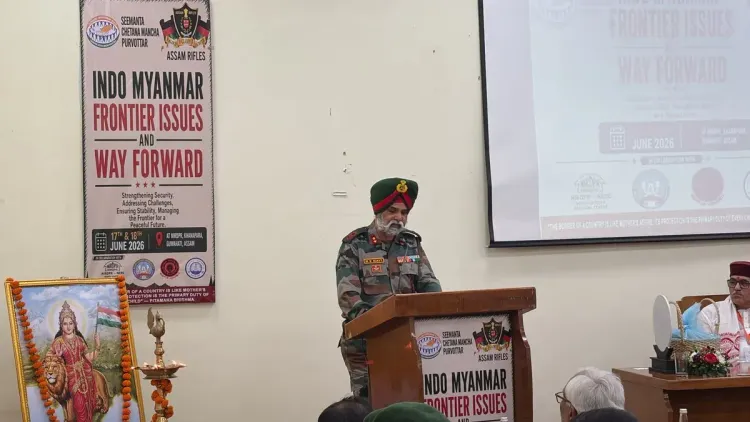
AIMIM president Asaduddin Owaisi on 10 July 2026 alleged a convergence between the RSS, the BJP, and India's state security forces, arguing it marks a potentially influential force shaping the country's security apparatus and institutional thinking.
Key Takeaways
AIMIM president and Hyderabad MP Asaduddin Owaisi posted on 10 July 2026 flagging what he called a convergence between the RSS, BJP, and state security forces.
Owaisi described the RSS as the 'ideological mothership' of the BJP and argued this alignment potentially influences India's security apparatus and thinking.
The RSS was founded in 1925 and serves as the ideological parent body of the BJP , which has governed at the Centre since 2014 .
Opposition parties have periodically alleged that RSS ideology shapes appointments and policy orientation within security and administrative institutions during BJP rule.
No specific recent event triggering the post has been independently verified from established public records.
Parliamentary committees and the Ministry of Home Affairs remain the formal arenas where such concerns can be examined against verifiable data.
AIMIM president Asaduddin Owaisi on Friday, 10 July 2026, raised concerns about what he described as a convergence between the Rashtriya Swayamsevak Sangh (RSS), the Bharatiya Janata Party (BJP), and India's state security forces, arguing that this alignment potentially shapes the country's security apparatus and its institutional thinking.
In his post on X, Owaisi wrote: 'The convergence between RSS, the ideological mothership of the political party in power, Bharatiya Janata Party and state security forces, is a marker of what potentially influences India's security apparatus and thinking.' The statement reflects a concern the Hyderabad MP has raised in various forms over the years regarding institutional autonomy under the current government.
Context
The RSS, founded in 1925, functions as the ideological parent body of the BJP, which has governed at the Centre since 2014. Several ministers and senior officials in successive BJP-led administrations have had organisational backgrounds in the RSS, a pattern that opposition parties have long flagged as a source of ideological influence over governance.
Owaisi, who leads the All India Majlis-e-Ittehadul Muslimeen (AIMIM) and represents Hyderabad in the Lok Sabha, has been a consistent critic of what he characterises as majoritarian influence over constitutional institutions, including security and law-enforcement bodies.
Policy Backdrop
Debates over the relationship between ideological organisations and state institutions are not new to Indian politics. Since independence, questions about the balance between secular constitutional norms and the influence of extra-governmental organisations on appointments and policy have surfaced periodically in Parliament and in public discourse.
After the 2014 general election, opposition voices intensified scrutiny of personnel decisions within security and administrative institutions, questioning whether RSS-affiliated networks shaped recruitment, training orientations, or operational priorities within police and paramilitary organisations. The Ministry of Home Affairs oversees central paramilitary forces and coordinates with state police establishments, making it a focal point of such debates.
Stakeholders and Impact
Owaisi's remarks are directed at a broad audience: minority communities who look to security forces for neutral protection, opposition parties seeking to build a narrative around institutional capture, and civil society groups concerned with constitutional safeguards. For the ruling BJP, such charges touch on questions of governance legitimacy and the independence of the state from its ideological affiliates.
Security forces themselves — spanning state police to central paramilitary units — are directly implicated in the framing, as the post suggests their 'thinking' may be shaped by forces outside the formal chain of constitutional command. The research background notes that no specific recent event triggering this post has been independently verified from public records.
What's Next
The statement is likely to invite responses from BJP spokespersons and, potentially, questions in Parliament about security-force recruitment and training policies. Parliamentary committees examining institutional autonomy and the Ministry of Home Affairs' policy positions on force composition will remain the formal arenas where such concerns can be tested against verifiable data.
As the 2026 political calendar progresses, opposition parties are expected to continue pressing the government on institutional independence, with Owaisi's framing adding to a broader pattern of critique that connects RSS organisational reach to questions of state neutrality and minority security.
Point of View
Including security forces. By framing it as a question of 'convergence' rather than direct control, he stakes out a position that is difficult to rebut with a single counter-example, making it a durable political charge. The statement arrives at a moment when institutional autonomy debates — spanning the judiciary, the bureaucracy, and now security forces — are central to opposition messaging ahead of electoral cycles. Without a specific triggering event cited, however, the post reads more as a statement of political position than a response to a discrete, verifiable development.
NationPress
10 Jul 2026
Frequently Asked Questions
What did Owaisi say about RSS and security forces?
Owaisi posted on 10 July 2026 that the convergence between the RSS, the BJP, and state security forces is a marker of what potentially influences India's security apparatus and thinking.
What is the RSS and its connection to the BJP?
The Rashtriya Swayamsevak Sangh (RSS) is a Hindu nationalist volunteer organisation founded in 1925 that serves as the ideological parent body of the BJP; many BJP leaders and ministers have organisational backgrounds in the RSS.
Why does Owaisi criticise the RSS-BJP relationship with institutions?
As AIMIM president and Hyderabad MP, Owaisi has consistently argued that RSS-BJP ideological influence over state institutions, including security forces, undermines constitutional secularism and neutral protection for minority communities.
Is there evidence of RSS influence over Indian security forces?
Opposition parties have periodically raised such concerns in Parliament and public debate, but no specific recent event or verified instance directly confirming the convergence Owaisi described has been established from public records.
What can happen next after Owaisi's statement on security forces?
The statement is likely to prompt BJP responses and could lead to parliamentary questions or committee scrutiny of security-force recruitment and training policies, with the Ministry of Home Affairs at the centre of any formal examination.