Jal Shakti Minister Paatil: Indus water belongs to India
Synopsis
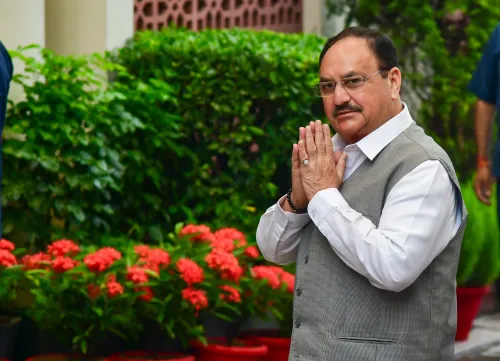
Union Jal Shakti Minister C. R. Paatil on 13 June 2026 declared that the Indus River's waters belong to India and will be used exclusively for Indian benefit, reinforcing New Delhi's assertive posture on the 1960 Indus Waters Treaty amid ongoing diplomatic friction with Pakistan.
Key Takeaways
Union Jal Shakti Minister C.
Paatil posted on 13 June 2026 that Indus River water is India's own and will serve India's interests exclusively.
The Indus Waters Treaty of 1960 allocated eastern rivers to India and western rivers primarily to Pakistan, but India argues it has not yet fully used its allocated share.
India issued formal notices in 2023 and 2024 seeking modification of the treaty, citing changed circumstances and security concerns.
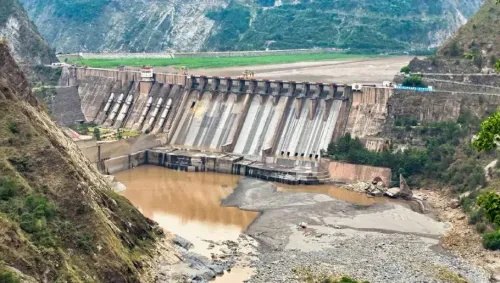
Accelerated hydropower and irrigation projects in Jammu and Kashmir are the on-ground expression of India's assertive water policy.
Pakistan depends on the Indus system for the majority of its agricultural water and has opposed any Indian moves to alter the treaty framework.
As Union minister responsible for water resources, Paatil's statement carries direct policy significance beyond routine political rhetoric.
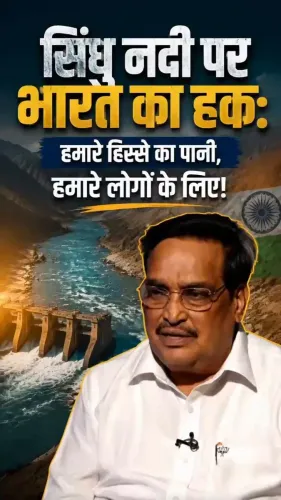
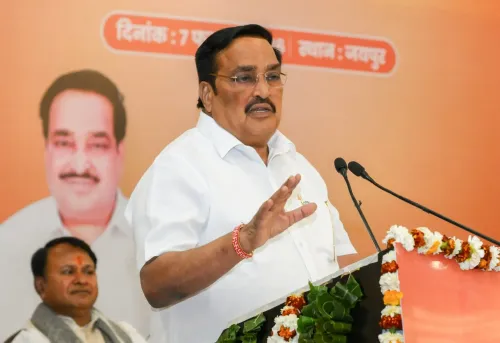
Union Jal Shakti Minister C. R. Paatil on Saturday, 13 June 2026 declared that the waters of the Indus River are India's own and will be used exclusively for India's benefit, signalling a hardening of New Delhi's posture on the long-contested Indus Waters Treaty. The statement, posted on his official X account, is among the most direct public assertions by a sitting Union minister on India's intent to fully utilise its share of the Indus basin waters.
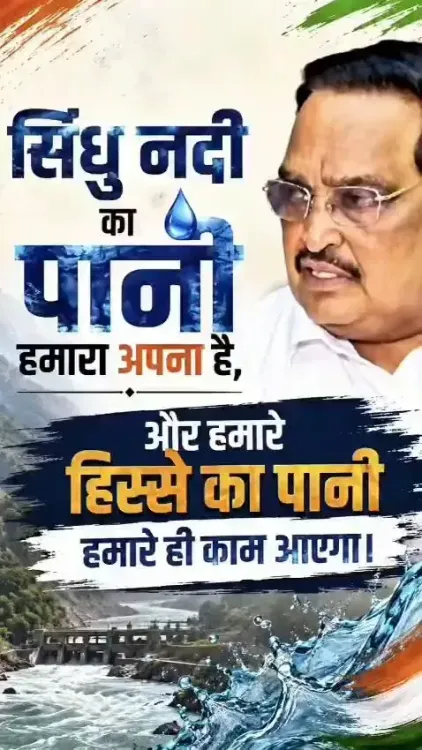
In his post, Paatil wrote: 'सिंधु नदी का पानी हमारा अपना है और हमारे हिस्से का पानी हमारे ही काम आएगा!' — translated: 'The water of the Indus River is our own, and the water that is our share will be used for our own benefit alone!'
Context
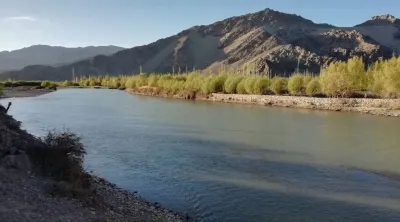
The Indus Waters Treaty of 1960, brokered by the World Bank, divided the six rivers of the Indus basin between India and Pakistan. Under the arrangement, the eastern rivers — Ravi, Beas and Sutlej — were allocated primarily to India, while the western rivers — Indus, Jhelum and Chenab — were allocated primarily to Pakistan, though India retained limited rights to use western river waters for non-consumptive and certain consumptive purposes.
India has long argued that it has not fully utilised even the rights it holds under the treaty, particularly in Jammu and Kashmir, where difficult terrain and decades of conflict slowed infrastructure development. Paatil's statement reflects a growing political consensus that India must now act on those rights without delay.
Policy Backdrop
Following the 2019 Pulwama attack, India publicly announced it would stop 'its share of water flowing to Pakistan' and maximise utilisation of its treaty-allocated flows. In 2023 and 2024, India issued formal notices to Pakistan seeking modification of the Indus Waters Treaty, citing changed circumstances and security concerns — the first such formal challenge to the treaty since its signing.
The broader policy shift has been accompanied by accelerated work on hydropower projects on western rivers and expansion of canal networks in Jammu and Kashmir. As the Union minister responsible for water resources, Paatil's public framing of Indus water as a sovereign domestic resource carries direct policy weight.
Stakeholders and Impact
The most immediate beneficiaries of full utilisation of India's Indus basin share would be farmers in Jammu and Kashmir and parts of Punjab and Himachal Pradesh, where irrigation infrastructure linked to western river tributaries remains underdeveloped. Completed and ongoing hydropower projects in J&K — including those on the Chenab and Jhelum — stand to receive political and administrative backing under this posture.
Pakistan, which depends on the Indus system for the bulk of its agricultural water, has consistently opposed any Indian moves to modify or exit the treaty, raising the diplomatic stakes of statements such as Paatil's. The World Bank, as the treaty's guarantor, remains a key third-party actor in any formal renegotiation process.
What's Next
Attention will now turn to whether Paatil's statement is followed by concrete administrative action — including accelerated project clearances for J&K irrigation schemes, fresh diplomatic communication to Islamabad, or a formal government position on treaty modification. Progress on infrastructure in the Indus basin within Indian territory will be the clearest indicator of whether this political signal translates into on-ground change.
India's assertive stance on Indus waters is increasingly a point of bipartisan political convergence, making it likely that the rhetoric will be backed by measurable steps in the months ahead.
Point of View
Cross-government effort to reframe the Indus Waters Treaty as a negotiable instrument rather than a permanent settlement. By publicly asserting sovereign ownership of Indus waters, the Jal Shakti Ministry is building domestic political justification for accelerating infrastructure in Jammu and Kashmir — projects that would create facts on the ground before any formal treaty revision is concluded. The timing also serves a dual purpose: it signals resolve on water as a strategic resource at a moment of elevated India-Pakistan tensions, reinforcing a pattern where water policy and security policy are increasingly intertwined. Analysts watching this space will note that the shift from 'we have rights' to 'we will use them' marks a significant escalation in the official political register.
NationPress
19 Sept 2026
Frequently Asked Questions
What did Jal Shakti Minister C. R. Paatil say about the Indus River?
On 13 June 2026, Minister Paatil stated that the water of the Indus River belongs to India and that India's share of the water will be used exclusively for India's own benefit.
What is the Indus Waters Treaty and why is it controversial?
The Indus Waters Treaty, signed in 1960 with World Bank mediation, divided the six Indus basin rivers between India and Pakistan. It is controversial because India has sought modifications since 2023, arguing that changed security circumstances and underutilisation of its own allocated share justify a renegotiation.
Has India stopped water flow to Pakistan under the Indus treaty?
India has not formally suspended the treaty, but since 2019 it has publicly committed to maximising utilisation of its own allocated share and has issued formal notices seeking treaty modification in 2023 and 2024.
Which rivers does India have rights over under the Indus Waters Treaty?
Under the 1960 treaty, India was allocated the eastern rivers — Ravi, Beas and Sutlej — while retaining limited rights on the western rivers Indus, Jhelum and Chenab, which were primarily allocated to Pakistan.
What infrastructure is India building on the Indus basin rivers?
India is developing hydropower projects and expanding canal networks in Jammu and Kashmir, particularly on tributaries of the Chenab and Jhelum, to utilise its treaty-permitted share of the western rivers.