Conflict with Afghanistan Threatens Pakistan's IMF Support
Synopsis
The ongoing conflict between Pakistan and Afghanistan may jeopardize vital IMF funding needed for economic stability. As the IMF assesses Pakistan's financial health, escalating military expenses and inflation could impact the nation's eligibility for crucial loans.
Key Takeaways
Ongoing conflict with Afghanistan threatens IMF funding.
Increased military spending complicates economic conditions.
Investor sentiment may decline due to stalled IMF support.
The China-Pakistan Economic Corridor is at risk from regional instability.
Rising energy costs due to regional conflicts could exacerbate inflation.
New Delhi, March 9 (NationPress) The ongoing conflict between Pakistan and Afghanistan is jeopardizing the crucial next tranche of funding from the IMF that Islamabad urgently requires, as reported by a recent media article.
The IMF delegation is presently in Pakistan conducting its third-round assessment of the nation's economy, in anticipation of the forthcoming financial aid. The team is meticulously evaluating whether the economic measures undertaken by Islamabad align with the stipulations set forth by the international lending body to ensure Pakistan's economic recovery, thereby positioning it to repay its debts, as stated in an article from the South China Morning Post.
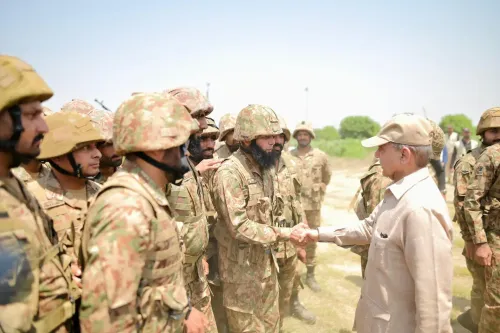
However, the escalating conflict with Afghanistan and the surge in military spending complicate the fulfillment of the economic criteria established by the IMF for further financial assistance to Pakistan. The investment atmosphere within the country has deteriorated, and the war has escalated inflation rates. These critical elements will heavily influence the IMF's decision regarding Pakistan's loan eligibility.
As highlighted in the article, "For any nation in Pakistan’s predicament, IMF assistance comes with certain non-negotiable conditions: maintain progress on reform commitments, execute structural changes, and exhibit financial prudence. An active conflict along a significant border undermines these metrics, directly impacting the figures the IMF scrutinizes most closely."
Furthermore, a halt in the IMF program could also dampen investor confidence, which had notably improved over the previous year.
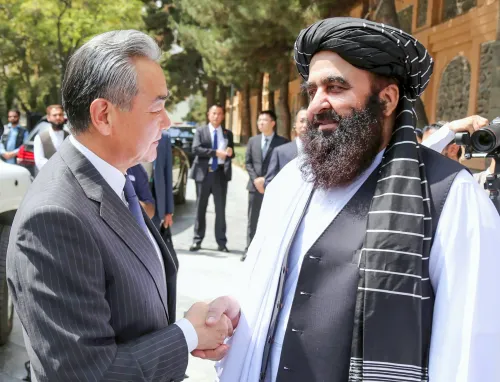
The report indicates that the ongoing war with Afghanistan poses risks to China’s investments in Pakistan.
"The China-Pakistan Economic Corridor – a vast US$65 billion infrastructure project – stands as one of Beijing’s most ambitious ventures within its Belt and Road Initiative, traversing some of Pakistan’s most vulnerable regions. Any escalation along the western border threatens this infrastructure," the article elaborated.
Additionally, the US-Israel conflict involving Iran has disrupted oil and gas supplies across Asia, leading to sharp increases in energy costs and transportation expenses. This situation is poised to exacerbate inflation in Pakistan and further weaken its already fragile economy, as noted in the article.
Point of View
The current war between Pakistan and Afghanistan not only complicates the financial landscape but also endangers national economic recovery efforts. The situation calls for a balanced approach that prioritizes peace and stability to secure essential international support.
NationPress
24 Sept 2026
Frequently Asked Questions
How does the conflict with Afghanistan affect Pakistan's economy?
The conflict escalates military spending, complicating adherence to IMF requirements and heightening inflation, ultimately jeopardizing necessary funding.
What are the implications of stalled IMF support?
A halt in IMF funding could diminish investor confidence and hinder economic recovery efforts in Pakistan.
Why is the China-Pakistan Economic Corridor at risk?
The corridor's infrastructure faces threats due to escalations along the western frontier, impacting China's significant investments.
What are the key conditions for IMF funding?
Essential conditions include maintaining reform commitments, implementing structural changes, and demonstrating financial discipline.
How does the US-Israel war on Iran impact Pakistan?
The conflict disrupts oil and gas supplies, leading to increased energy costs and inflation, further straining Pakistan's economy.