Is Pakistan’s Textile Industry Facing a Major Crisis?
Synopsis
Pakistan’s textile industry, once a driving force in its economy, is now in turmoil. With factories closing due to soaring production costs, the sector is grappling with numerous challenges that threaten its viability. Read on to uncover the factors contributing to this crisis.
Key Takeaways
Pakistan’s textile industry is facing a severe crisis.
High production costs and energy prices are major factors.
Exports have fallen for four consecutive months.
The collapse of the cotton economy is at the crisis's core.
Over 500 factories have shut down.
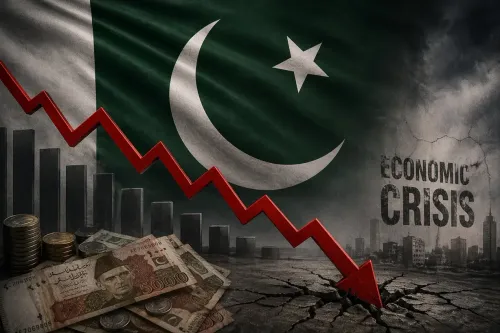
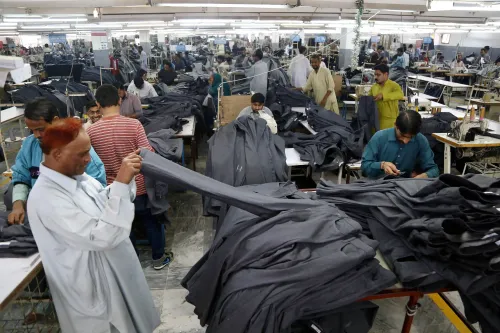
New Delhi, Jan 1 (NationPress) The textile industry in Pakistan, once a key contributor to the nation’s economic progress, is currently facing a severe crisis as numerous factories are forced to close due to escalating production expenses.
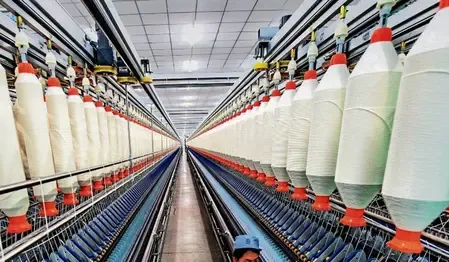
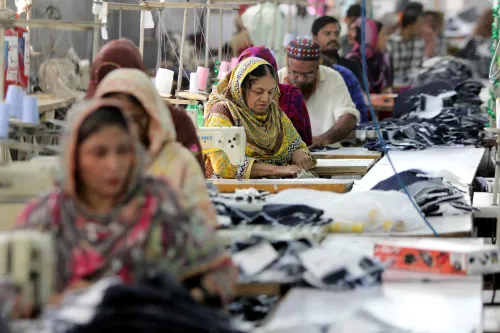
Previously celebrated for its export potential and ability to foster industrial growth, Pakistan’s textile sector is now experiencing a multitude of challenges, including structural, economic, and logistical issues that have diminished its competitiveness, led to factory closures, and jeopardized the livelihoods of many within the value chain. The collapse in cotton production, rising energy prices, increasing regional competition, policy errors, and a nation-wide transport strike have all contributed to this critical juncture, according to a report from the UK’s Daily Mirror.
The Pakistan Textile Exporters Association (PTEA) has highlighted a worrying trend, as textile exports have decreased for the fourth consecutive month, raising alarms about the industry’s future sustainability.
The article quotes PTEA General Secretary Azizullah Goheer, who emphasizes that Pakistan has not only failed to meet but has also fallen below the FY2021 export target of $19.3 billion. Exports have dwindled to $18 billion, then to $17 billion, and they continue to decline. Between July and November 2025, exports fell by 6.39 percent, from $13.721 billion to $12.844 billion, indicating a troubling ongoing trend.
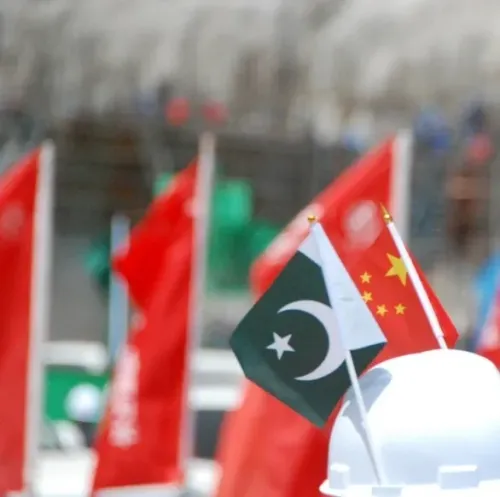
Pakistan’s textile industry is increasingly losing its competitive edge to regional players as high energy costs, excessive taxes, and financing expenses weigh heavily on the nation’s position. Exporters note that countries like Bangladesh, India, China, and Vietnam are gaining market share due to their lower production costs and more stable governmental policies.
The article further elaborates that the core of the crisis stems from the collapse of Pakistan’s cotton economy. Outdated agricultural practices, inferior seed quality, and insufficient investment in research have resulted in a significant decrease in both cotton production and quality.
According to Ihsanul Haq, Chairman of the Pakistan Cotton Ginners Forum, over 100 spinning mills and 400 ginning factories have already shuttered. National cotton production has plummeted from 15 million bales to 5.5 million bales.
Farmers face financial turmoil as cotton prices have fallen to Rs 8,000 per 40 kg, forcing many to transition from cotton to sugarcane cultivation. This shift threatens to increase reliance on edible oil imports, exacerbating the strain on foreign exchange reserves.
The ginning industry is struggling with an overwhelming 86 percent combined sales tax on cotton, cottonseed, oil, and oilcake. Textile manufacturers are also being pressured to settle gas dues that date back a decade, further intensifying liquidity challenges. Recent modifications to the Export Facilitation Scheme (EFS) have added to the burden by requiring exporters to pay additional taxes.
Energy costs represent a significant obstacle, with electricity tariffs projected to reach 12 cents per kWh by FY26, substantially higher than the 5–9 cents per kWh charged to competitors in the region. Exporters argue that this disparity alone renders Pakistani textiles uncompetitive in the global market. Frequent power outages, voltage fluctuations, and grid instability not only damage machinery but also disrupt production timelines.
Point of View
It is critical to acknowledge the multifaceted challenges faced by Pakistan's textile industry. This sector was once a beacon of economic stability, yet it now stands on the brink of collapse. Comprehensive reforms and strategic policy decisions are imperative to restore its former glory and safeguard the livelihoods of millions.
NationPress
15 Oct 2026
Frequently Asked Questions
What caused the crisis in Pakistan's textile industry?
The crisis has been attributed to high production costs, declining cotton production, rising energy prices, and regional competition.
How have textile exports been affected?
Textile exports have decreased for four consecutive months, falling below the FY2021 benchmark and indicating a worrying trend.
What is the impact on farmers?
Farmers are experiencing financial distress due to crashing cotton prices, which have led many to shift from cotton to sugarcane cultivation.