Is 2025 Really the ‘Year of Closures’ in Pakistan?

Synopsis
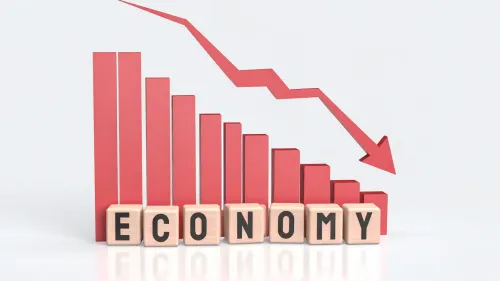
Traders in Pakistan are sounding the alarm on the economic crisis unfolding in 2025, which they deem one of the worst years in history. With rampant business closures and skyrocketing unemployment, the situation demands urgent attention. What are the underlying causes, and how can the government respond to avert further disaster?
Key Takeaways
2025 is marked by significant business closures.
Rising unemployment is a major concern.
High inflation is affecting the affordability of essential goods.
Investor confidence has severely declined.
The government’s claims do not align with ground realities.
New Delhi, Jan 3 (NationPress) Small business owners throughout Pakistan have labeled 2025 as a disastrous year in the nation’s economic timeline, highlighting widespread business shutdowns, escalating unemployment rates, and an intensifying financial crisis.
A report published by the All Karachi Traders Alliance (AKTA) and reported by The Express Tribune indicated that the economy remained in a state of stagnation due to ongoing political turmoil and the absence of a definitive economic strategy.
The report indicated that overall commercial operations were below 60 percent for the majority of the year, resulting in the closure of numerous small and medium enterprises.
AKTA President Atiq Mir labeled 2025 as a “year of closures,” noting that thousands of traders were compelled to cease operations, leading to job losses and increased financial strain on households.
The traders’ association stated that investor confidence was severely undermined throughout the year, with both domestic and foreign investors withdrawing their capital from the country.
The report noted that uncertainty regarding economic policies and frequent shifts in regulations dissuaded new investments and prompted capital flight.
AKTA also emphasized the toll of soaring inflation on ordinary citizens, stating that life became increasingly challenging for the impoverished and middle-class populations.
While the government consistently claimed that the economy was stabilizing and that Pakistan had averted default, traders contended that these assertions did not align with the realities on the ground.
The report criticized authorities for relying on “artificial indicators” instead of providing genuine support for trade and industry.
Moreover, it condemned the government for failing to achieve results despite over 35 foreign trips by officials aimed at attracting investment.
According to AKTA, these trips yielded no substantial economic advantages, as local investors continued to transfer their capital overseas due to uncertainty and a lack of trust.
Skyrocketing taxes, high electricity and gas costs, increased fuel prices, and rampant inflation were identified as primary factors contributing to the economic downturn.
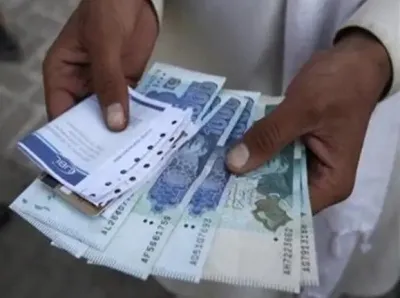
Many essential goods, including flour, pulses, milk, and vegetables, reportedly became unaffordable for numerous families, exacerbating public hardship.
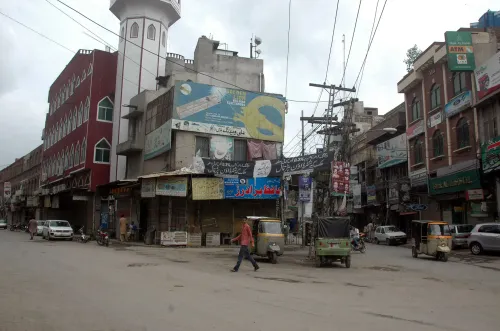
The report also highlighted that markets remained largely deserted even during peak shopping periods.
In certain industries, over half of the workforce reportedly lost their jobs, with numerous businesses struggling to meet payroll and rental obligations.
Karachi was characterized in the report as a city “under siege,” plagued by extortion, lawlessness, encroachments, and ineffective governance.
AKTA accused the Sindh government of mismanagement, alleging that price-control authorities failed to take action against profiteers, leaving consumers vulnerable.
Point of View
It is imperative to present an unbiased perspective on the dire economic situation faced by traders in Pakistan. The alarming statistics and reports from various associations indicate a critical juncture for the nation. While the government claims stability, the lived experiences of many suggest otherwise, warranting a closer examination of policies and their real-world implications.
NationPress
10 Oct 2026
Frequently Asked Questions
Why are traders calling 2025 a ‘year of closures’?
Traders are calling 2025 a ‘year of closures’ due to widespread business shutdowns, rising unemployment, and financial distress exacerbated by political instability and poor economic policies.
What factors are contributing to the economic crisis in Pakistan?
Key factors contributing to the economic crisis include high inflation, rising taxes, expensive utility costs, and a lack of investor confidence.
How has inflation affected ordinary citizens in Pakistan?
Inflation has made essential goods unaffordable for many families, leading to increased hardship for the poor and middle classes.
What has been the government’s response to the economic situation?
The government claims that the economy is stabilizing; however, traders argue that these claims are not reflective of the actual conditions on the ground.
What is the outlook for the future of small businesses in Pakistan?
The outlook remains bleak unless significant policy changes are implemented to restore investor confidence and support small businesses.