Kashmiri Pandits return to Bandipora after 36 years for Sumbli Mawas festival
Synopsis
For the first time in 36 years, displaced Kashmiri Pandits gathered at the Nand Kishore temple in Sumbal, Bandipora, for the Sumbli Mawas festival — a homecoming shadowed by memories of forced exodus, lost orchards, and encroached ancestral lands. Muslims and Pandits reportedly wept together, making it one of the most emotionally resonant inter-community moments the Valley has seen in years.
Key Takeaways
Displaced Kashmiri Pandits returned to Sumbal, Bandipora on 17 May for the Sumbli Mawas festival — their first visit in 36 years .
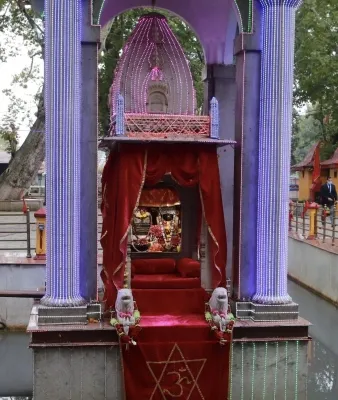
The three-day festival is held at the historic Nand Kishore temple , on the birth anniversary of Kashmiri Pandit saint Maharaj Nand Kishore .
Many returning Pandits found their ancestral lands — once apple orchards — replaced by houses and shops, with several properties reportedly sold under duress or encroached upon.
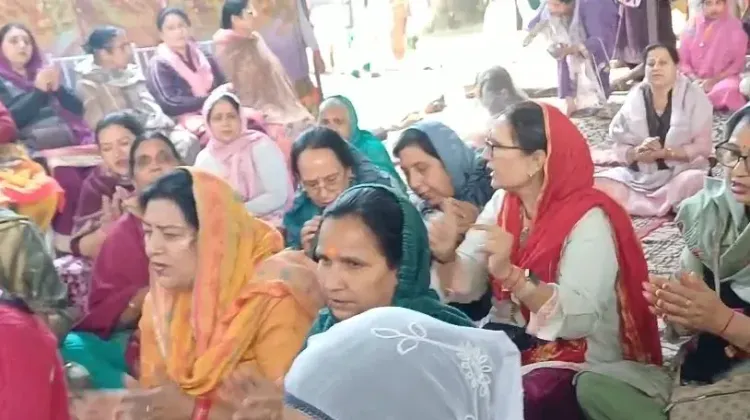
Both Muslims and Pandits from the area were seen reuniting emotionally, with accounts of neighbours weeping together after decades apart.
Deputy Commissioner Indu Kanwal Chib and the Senior Superintendent of Police, Bandipora , oversaw prayers and security arrangements respectively.
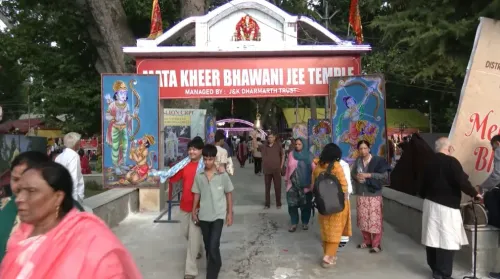
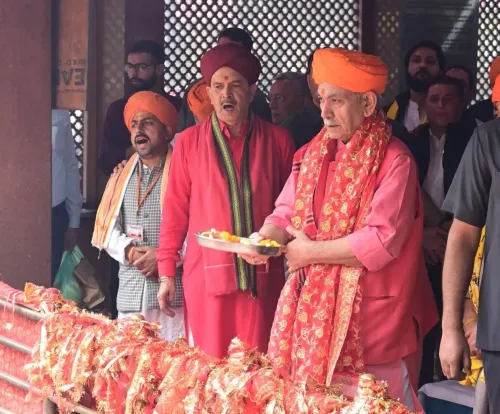
Displaced Kashmiri Pandits returned to the Sumbal area of Bandipora district in Jammu and Kashmir on Sunday, 17 May to celebrate the Sumbli Mawas festival — their first such gathering at the historic site in 36 years. Scores of migrant Pandits from across the country converged at the Nand Kishore temple for the three-day observance, marking a rare and emotionally charged homecoming.
A Festival Rooted in Faith and Memory
The Sumbli Mawas festival is observed on the birth anniversary of revered Kashmiri Pandit saint Maharaj Nand Kishore, after whom the historic temple in Sumbal is named. For many attendees, the pilgrimage was not merely religious — it was a return to a homeland they were forced to abandon more than three decades ago.
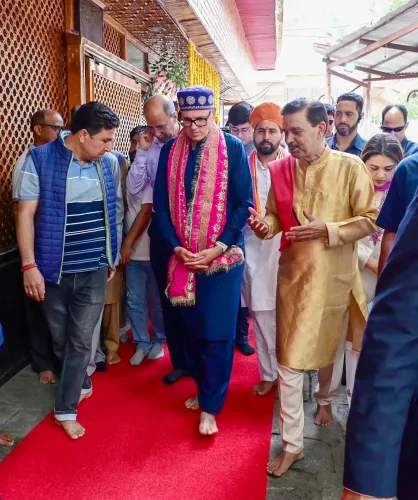
Migrant Pandits who originally hailed from the Sumbal area described the occasion as an opportunity to reconnect with their roots. Photographs and accounts from the site show both Muslims and Pandits weeping together as they reunited with old neighbours, with many describing the reunion as a moment where the barriers of religion and politics momentarily dissolved.
A Landscape Transformed by Decades of Displacement
The Sumbal area that returning Pandits encountered bore little resemblance to the one they left. Many well-known Kashmiri Pandit families had once owned large tracts of land in the region, much of it under apple orchards. Those expanses have since been replaced by houses and commercial establishments.
According to accounts from community members, most Kashmiri Pandit families made distress sales of their ancestral properties in the years following their displacement. In several cases, lands were reportedly encroached upon and illegally occupied during the peak period of violence in the Valley in the early 1990s.
The Weight of Forced Migration
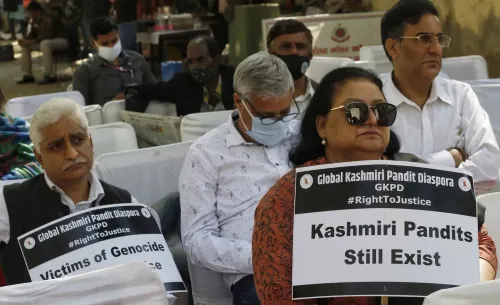
The Kashmiri Pandit exodus of the early 1990s remains one of the most painful chapters in the community's history. Lakhs of members of the minority community were forced to flee the Valley as Pakistan-backed terrorism engulfed the region, leaving behind homes, land, and livelihoods to seek refuge in Jammu and other parts of the country. For most, a permanent return has not been possible.
Elders who lived through the displacement carry the deepest scars, and the Sumbli Mawas gathering offered many of them a rare chance to revisit — even briefly — the places that shaped their lives.
Security and Administration in Place
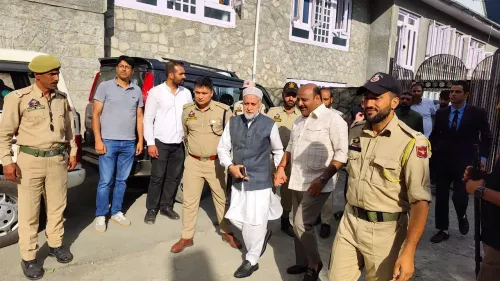
Deputy Commissioner Bandipora Indu Kanwal Chib visited the Nand Kishore temple and participated in special prayers during the festival. The Senior Superintendent of Police, Bandipora, separately reviewed security arrangements ahead of the celebrations. Authorities put in place elaborate security and administrative measures to ensure the smooth conduct of the three-day event.
What This Moment Signals
The return of displaced Pandits to Sumbal, however symbolic, is being seen as a meaningful gesture of cultural continuity. Whether such gatherings can catalyse a broader conversation about the community's return to the Valley — and the restitution of lost properties — remains an open question. For now, Sumbal offered something rarer: a moment of shared grief and shared memory between communities long separated by violence and circumstance.
Point of View
Not a policy one — and that distinction matters. Kashmiri Pandits have been making symbolic pilgrimages for years, but the structural conditions that would enable a real return — property restitution, security guarantees, livelihood pathways — remain unaddressed. The sight of encroached orchards and distress-sold lands in Sumbal is a quiet indictment of what 36 years of displacement actually cost the community. Emotional reunions are meaningful; they are not a substitute for accountability or a roadmap for return.
NationPress
14 Oct 2026
Frequently Asked Questions
What is the Sumbli Mawas festival celebrated by Kashmiri Pandits?
The Sumbli Mawas festival is a three-day religious observance held at the Nand Kishore temple in Sumbal, Bandipora, on the birth anniversary of Kashmiri Pandit saint Maharaj Nand Kishore. It draws migrant Pandits from across India and holds deep cultural significance for the community.
Why did Kashmiri Pandits leave the Sumbal area in the first place?
Kashmiri Pandits were forced to flee the Valley in the early 1990s as Pakistan-backed terrorism engulfed the region. Lakhs of community members abandoned their homes, lands, and properties to seek refuge in Jammu and other parts of India, and most have not returned since.
What happened to Kashmiri Pandit properties in Sumbal during their absence?
According to community accounts, many ancestral properties — including large apple orchards — were either sold under duress or reportedly encroached upon and illegally occupied during the peak years of violence in the Valley. The landscape has since changed significantly, with houses and shops replacing former orchards.
Who attended the Sumbli Mawas festival in Bandipora on 17 May 2025?
Scores of migrant Kashmiri Pandits from different parts of the country attended the festival, including those who originally hailed from the Sumbal area. Deputy Commissioner Bandipora Indu Kanwal Chib also visited the shrine and participated in prayers.
What security arrangements were made for the Sumbli Mawas festival?
Authorities made elaborate security and administrative arrangements for the event. The Senior Superintendent of Police, Bandipora, reviewed security ahead of the celebrations, while the Deputy Commissioner participated in prayers at the Nand Kishore temple.