Ganderbal Urs 2025: Thousands gather at Wangat shrine for Sufi saint Nizamuddin Kiyanvi
Synopsis
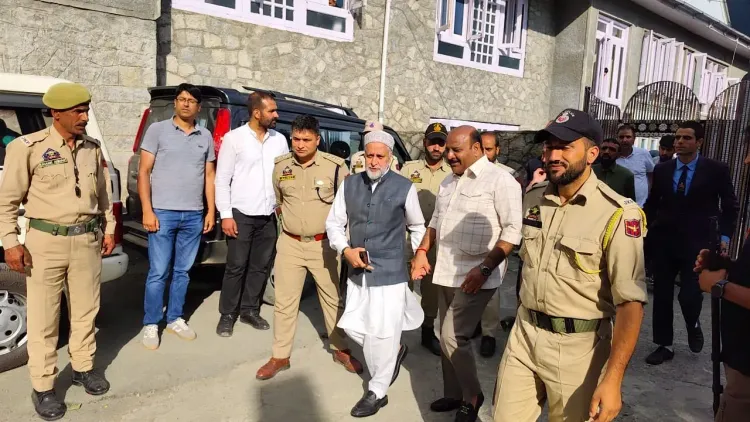
Thousands of pilgrims from across Jammu & Kashmir and beyond gathered at the Wangat shrine in Ganderbal for the annual Urs of Sufi saint Hazrat Mian Nizamuddin Kiyanvi. The event, led by the saint's grandson and sitting Lok Sabha MP Mian Altaf Ahmad, blended deep spiritual tradition with a rare cross-district turnout — and a pointed reminder that the occasion remains strictly apolitical.
Key Takeaways
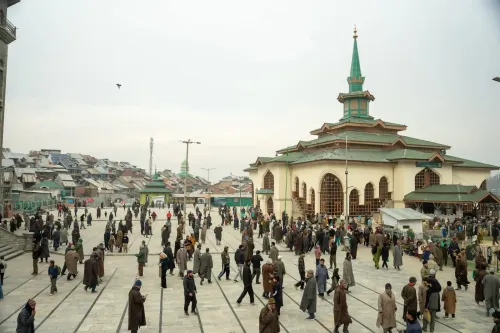
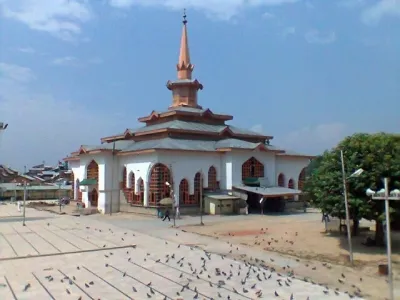
Thousands of devotees attended the annual Urs of Hazrat Mian Nizamuddin Kiyanvi at Wangat village , Ganderbal , on Monday, 8 June .
Pilgrims travelled from Poonch , Rajouri , Kathua , and other districts of J&K, as well as from outside the region.
Mian Altaf Ahmad — grandson, shrine custodian ( Sajada-Nisheen ), and Lok Sabha MP from Anantnag-Rajouri — led the final prayers.
The saint's title 'Kiyanvi' derives from Kianya Sharif in the Neelam Valley , now in Pakistan-occupied J&K .
Historical records note that Maharaja Partap Singh visited the saint and stayed for nearly 14 days at Kianya Sharif.
Ahmad emphasised the Urs is strictly apolitical , with no political speeches permitted.
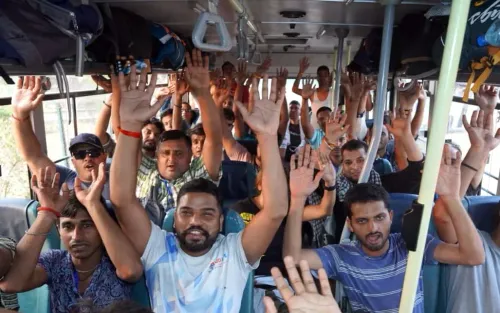
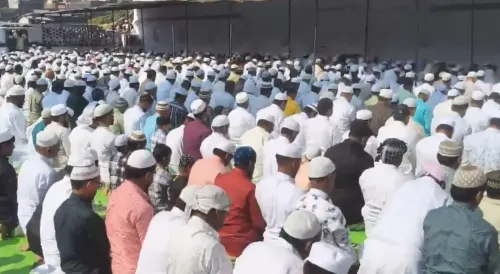
Thousands of devotees on Monday converged at the shrine of Sufi saint Hazrat Mian Nizamuddin Kiyanvi in Wangat village, Ganderbal district, for the annual Urs — one of the most significant spiritual gatherings in Jammu & Kashmir. Pilgrims from as far as Poonch, Rajouri, Kathua, and districts beyond J&K assembled for the ceremonial prayers before returning home.
Scale of the Gathering
The turnout placed a visible strain on local infrastructure, with traffic authorities working to manage the heavy flow of devotees arriving by multiple modes of transport. At Wangat Sharif, the saint's Langar (community kitchen) served food and traditional Halwa to attendees throughout the day, reflecting the centuries-old tradition of communal hospitality at Sufi shrines.
Ceremonial Prayers and Final Rites
The final day's prayers were led by Mian Altaf Ahmad, grandson of the saint and Sajada-Nisheen (custodian) of the shrine. Ahmad is also a senior National Conference leader and the sitting Lok Sabha member from the Anantnag-Rajouri constituency. He thanked devotees who had travelled from distant areas to participate in the Urs.
A nightlong recitation of the Holy Quran and Durud (praises of the Holy Prophet) preceded the concluding ceremonial prayers, in keeping with the traditional observance.
The Saint's Origins and Historical Significance
According to Mian Altaf Ahmad, the saint earned the title 'Kiyanvi' from his place of origin — Kianya Sharif, Athmuqam, in the Neelam Valley, presently in Pakistan-occupied J&K. Historical records cited by Ahmad note that Maharaja Partap Singh once visited the saint at Kianya Sharif during his reign, spending nearly 14 days there and ordering the laying of a garden around the saint's seat — an indication of the reverence the shrine commanded even then.
Ahmad also explained that the saint's spiritual lineage traces back to Baba Zee Sahib — his great-grandfather — who designated Mian Nizamuddin Kiyanvi as his final Khalifa (spiritual successor), cementing the shrine's place in the regional Sufi tradition.
An Apolitical Occasion
'The Urs celebrations are completely apolitical. Nobody made or was allowed to make a political speech during the Urs. It is a religious function of prayer, penance, love, and reverence that has nothing to do with politics and is much beyond and above politics,' Mian Altaf Ahmad said. The statement carried particular weight given Ahmad's own prominent political profile, and was seen as an effort to preserve the sanctity of the occasion.
The annual Urs at Wangat continues to draw pilgrims across communal and geographic lines, underscoring the enduring influence of Sufi traditions in the Kashmir Valley. With attendance growing each year, the event stands as one of J&K's most attended religious gatherings.
Frequently Asked Questions
What is the Urs of Hazrat Mian Nizamuddin Kiyanvi?
The Urs is the annual death anniversary commemoration of Sufi saint Hazrat Mian Nizamuddin Kiyanvi, held at his shrine in Wangat village, Ganderbal district, Jammu & Kashmir. It draws thousands of devotees for prayers, Quran recitation, and communal meals at the saint's Langar.
Where is the Wangat shrine located?
The shrine is located in Wangat village in Ganderbal district of Jammu & Kashmir. The saint himself originally belonged to Kianya Sharif, Athmuqam, in the Neelam Valley, which is presently in Pakistan-occupied J&K.
Who is Mian Altaf Ahmad?
Mian Altaf Ahmad is the grandson of Hazrat Mian Nizamuddin Kiyanvi and the Sajada-Nisheen (custodian) of the Wangat shrine. He is also a senior National Conference leader and the sitting Lok Sabha member from the Anantnag-Rajouri constituency.
Why is the saint called 'Kiyanvi'?
The title 'Kiyanvi' refers to the saint's place of origin — Kianya Sharif in Athmuqam, Neelam Valley, presently in Pakistan-occupied J&K. Historical records note that Maharaja Partap Singh visited the saint there and spent nearly 14 days at Kianya Sharif during his reign.
Was the Urs event political in nature?
No. Mian Altaf Ahmad explicitly stated that the Urs is completely apolitical and that no political speeches were made or permitted. He described it as a religious function of prayer, penance, love, and reverence.