O. Panneerselvam Joins DMK, Signaling Political Shift in Tamil Nadu
Synopsis
In a remarkable political shift, former AIADMK leader O. Panneerselvam has officially joined the DMK, with Chief Minister M.K. Stalin welcoming him. This move is poised to reshape Tamil Nadu's political landscape ahead of the upcoming elections.
Key Takeaways
Panneerselvam officially joins DMK Welcomed by Chief Minister M.K.
Stalin Significant political realignment ahead of 2026 elections Impact on AIADMK and regional dynamics expected Two decades of influence in Tamil Nadu politics
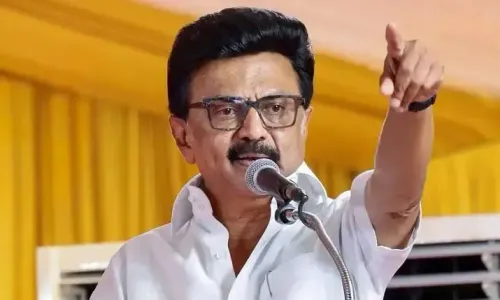
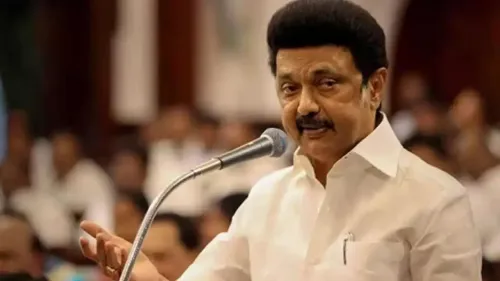
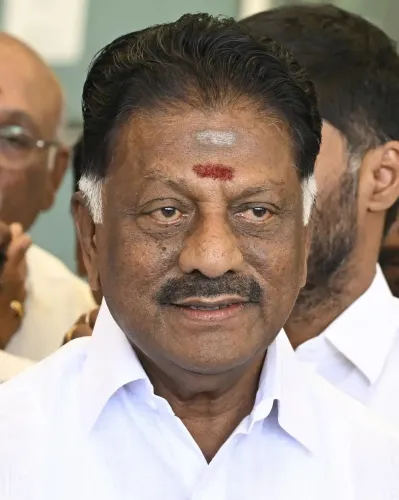
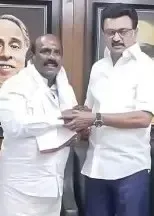
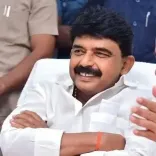
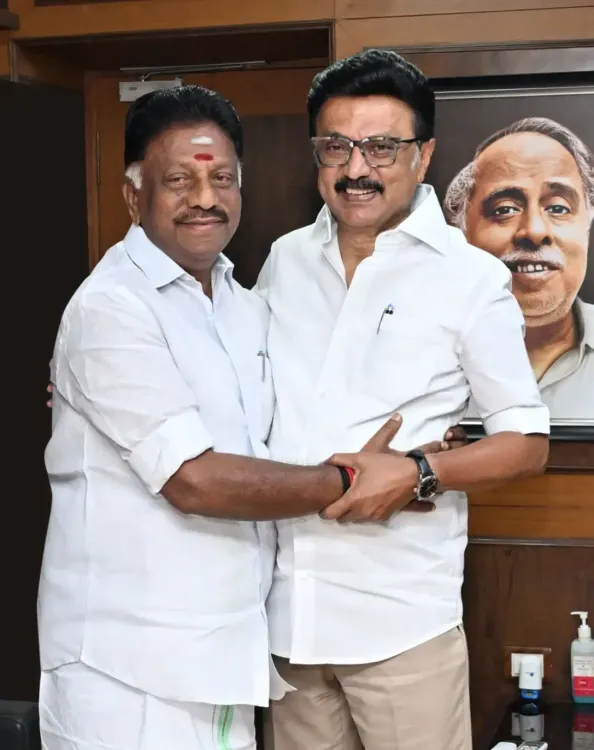
Chennai, Feb 27 (NationPress) In a pivotal political turn in Tamil Nadu, former Chief Minister and prominent AIADMK figure O. Panneerselvam (OPS) officially joined the DMK, welcomed by Chief Minister M.K. Stalin at the party's headquarters, Anna Arivalayam, in Chennai.
After being expelled from the AIADMK amid a fierce internal conflict, Panneerselvam established the AIADMK Volunteers’ Rights Recovery Committee and operated independently.
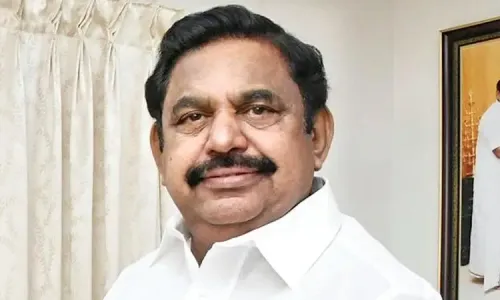
Despite multiple attempts to reintegrate into the AIADMK, his overtures were consistently denied by party General Secretary Edappadi K. Palaniswami (EPS), who made it clear that Panneerselvam's readmission was not an option.
In recent months, political analysts observed a warming of relations between Panneerselvam and DMK leaders.
On July 31 of the previous year, during a padayatra, Panneerselvam met with Chief Minister Stalin and later visited his home that evening to check on his health. This meeting sparked speculation regarding a potential political shift. Following this, on February 20, during the last day of the interim Budget session, Panneerselvam met the Chief Minister again, intensifying rumors of an upcoming transition.
Ending weeks of conjecture, Panneerselvam arrived at Anna Arivalayam with his supporters and officially registered as a DMK member.
Chief Minister Stalin embraced him into the party, an event seen as a significant shift in Tamil Nadu's political landscape as the 2026 Assembly elections approach.
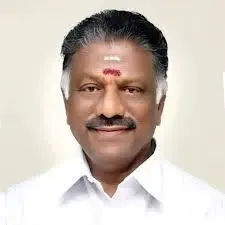
Panneerselvam, who has served as Chief Minister three times (2001-2002, 2014-2015, and 2016-2017) and was a trusted aide of the late AIADMK leader J. Jayalalithaa, has been a cornerstone of state politics for over twenty years.
His transition to the DMK is expected to create waves within the AIADMK and may alter caste and regional dynamics, especially in the southern districts where he has substantial backing.
Political commentators suggest that this move signifies a strategic consolidation by the ruling DMK and marks a significant chapter in the shifting power dynamics of Tamil Nadu politics.
Point of View
Marked by O. Panneerselvam's joining of the DMK, represents a critical juncture in the state's political narrative. It reflects ongoing shifts in party dynamics and could have far-reaching implications as the 2026 Assembly elections approach.
NationPress
19 Sept 2026
Frequently Asked Questions
Why did O. Panneerselvam leave AIADMK?
O. Panneerselvam was expelled from the AIADMK amid an internal power struggle and subsequently formed the AIADMK Volunteers' Rights Recovery Committee.
What does Panneerselvam's move to DMK signify?
His joining the DMK is seen as a significant political realignment that could impact the upcoming 2026 Assembly elections.
Who is O. Panneerselvam?
O. Panneerselvam is a former Chief Minister of Tamil Nadu and a key figure in the AIADMK party, having served in this role three times.
What was the reaction of AIADMK to Panneerselvam's departure?
AIADMK General Secretary Edappadi K. Palaniswami publicly stated that there was no possibility of Panneerselvam being readmitted into the party.
How might this affect Tamil Nadu's political landscape?
Panneerselvam's entry into the DMK could shift voter dynamics, particularly in southern districts where he has significant support.