Partition Memorial Bhumi Pujan at Sealdah station on 14 August
Synopsis
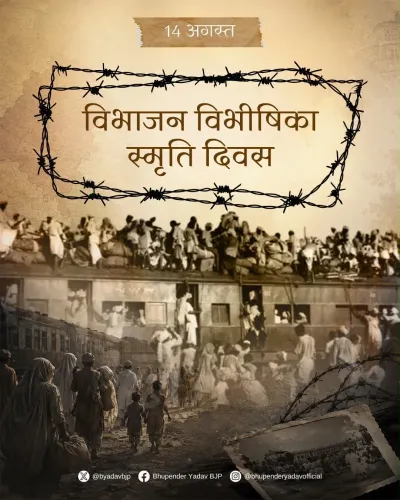
On the eve of Independence Day, Kolkata's Sealdah station — once home to over 20,000 stranded Partition refugees — will host the Bhumi Pujan for a national memorial statue. The choice of location is no coincidence: for millions of Hindu Bengali families, Sealdah was not just a transit point but a place of survival, settlement, and eventual reinvention.
Key Takeaways
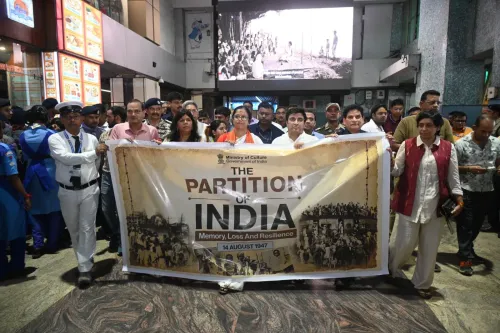
The Bhumi Pujan for a Partition Memorial Statue at Sealdah railway station , Kolkata , is scheduled for 14 August .
The memorial was announced by the Union Ministry of Culture to honour those displaced during the Partition of India in 1947 .
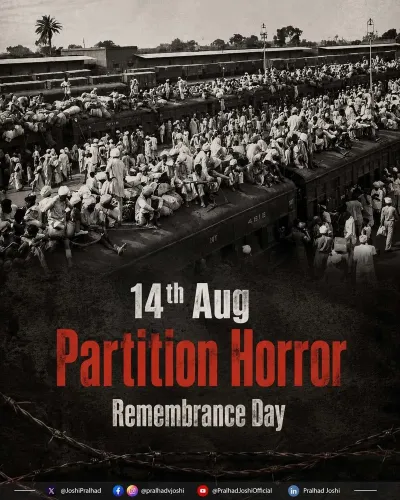
Historical records indicate over 20,000 displaced persons were present at Sealdah at any given time between 1947 and 1950 .
Platforms remained crowded with Hindu Bengali refugees well into the late 1960s ; many chose Sealdah over resettlement camps to retain access to the city.
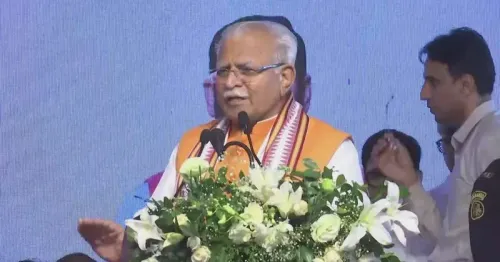
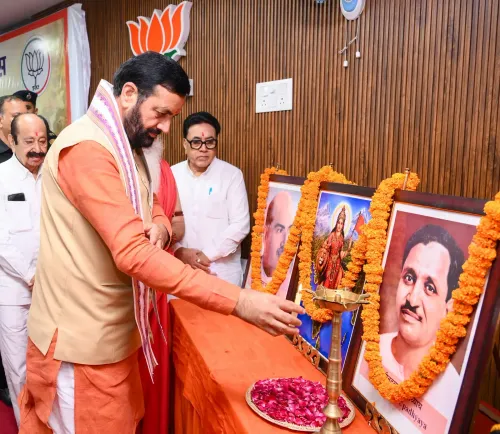
Several West Bengal government ministers and the Eastern Railway general manager will attend the ceremony.
The Bhumi Pujan for a Partition Memorial Statue at Sealdah railway station in Kolkata is scheduled for 14 August, a day before India's 78th Independence Day. The Union Ministry of Culture had earlier announced the memorial to honour the millions who suffered displacement and loss during the Partition of India in 1947.
Why Sealdah Was Chosen
Sealdah station holds singular historical significance in the Partition story. Between 1947 and 1950, millions of Hindu Bengali refugees fleeing East Pakistan (now Bangladesh) arrived at the station — and many never left. Historical records indicate that at any given point during those years, over 20,000 displaced persons were stranded at the station, though exact figures remain unavailable.
The government of the day treated Sealdah as an informal 'reception centre', but the station quickly became an unofficial refugee settlement. Platforms and waiting areas remained crowded well into the late 1960s, as families waited for a foothold in the city.
Life at the Station: Squalor and Survival
Conditions at Sealdah were harsh — limited sanitation, overcrowding, and minimal facilities. Yet many refugees deliberately chose to remain rather than be relocated to designated camps such as Cooper's Camp in Ranaghat, Nadia. The reason was access: proximity to Calcutta (now Kolkata) offered employment opportunities that remote resettlement sites could not.
Families in localities like Bijoygarh in south Kolkata recount how their ancestors occupied the station for months before moving to what was then marshland, constructing rudimentary shelters that were later regularised into formal colonies. Others saved enough from wages earned while living at the station to eventually rent accommodation in the city.
Who Will Attend the Ceremony
Several ministers from the Government of West Bengal are expected to be present at the Bhumi Pujan on 14 August. The Eastern Railway general manager and other senior railway officials will also attend the event.
A Legacy Etched in Memory
A Bharatiya Janata Party (BJP) leader had posted on X recalling a childhood visit to Sealdah: 'My father was working in Kolkata, and our immediate family did not suffer following Partition. But I saw at Sealdah railway station at the age of 8 a scene similar, but much worse. Etched into my memory, this is what eventually drove me into politics.'
Today, Sealdah is among the busiest railway stations in India. Most families with roots in the refugee influx have, over eight decades, established themselves firmly in the city — a trajectory the forthcoming memorial seeks to acknowledge and preserve.
Point of View
But the ceremony's political optics deserve scrutiny. A memorial driven by the Union Ministry of Culture, held at a station in a state governed by the Trinamool Congress, with both Central and state ministers present, reflects a rare convergence — or a carefully managed one. The deeper question is what follows the Bhumi Pujan: whether the memorial becomes a living archive of Partition memory or a symbolic gesture. With over 20,000 refugees once sheltering on a single station's platforms, the scale of that displacement remains poorly documented in mainstream history. A well-curated memorial could change that — if the institutional will outlasts the ceremony.
NationPress
28 Sept 2026
Frequently Asked Questions
What is the Partition Memorial Statue at Sealdah station?
It is a memorial statue announced by the Union Ministry of Culture to honour the millions of people who suffered, were displaced, or made sacrifices during the Partition of India in 1947. The Bhumi Pujan marking the start of its construction is scheduled for 14 August at Sealdah railway station in Kolkata.
Why was Sealdah station chosen for the Partition memorial?
Sealdah station was chosen because it served as the primary arrival point for millions of Hindu Bengali refugees fleeing East Pakistan between 1947 and 1950. Historical records indicate that over 20,000 displaced persons were present at the station at any given time, with many living on its platforms for months or even years.
Who will attend the Bhumi Pujan on 14 August?
Several ministers from the Government of West Bengal are expected to attend, along with the Eastern Railway general manager and other senior railway officials.
What happened to the refugees who stayed at Sealdah station?
Many refugees who remained at Sealdah eventually found employment in Kolkata and saved enough to move to rented accommodation or settle in nearby areas. Communities in localities such as Bijoygarh in south Kolkata trace their origins to ancestors who first occupied the station before building homes on surrounding marshland, which was later regularised.
How long did refugees live at Sealdah station?
According to historical accounts, refugees continued to occupy Sealdah's platforms and common areas well into the late 1960s — nearly two decades after Partition. Some were relocated to camps such as Cooper's Camp in Ranaghat, Nadia, while others stayed on to access opportunities in the city.