Piyush Goyal: India-UK FTA enters force, opens new trade avenues
Synopsis
The India-UK Free Trade Agreement entered into force on 15 July 2026, with Commerce Minister Piyush Goyal calling it a landmark deal that will benefit MSMEs, farmers, IT professionals, youth, and fisherfolk, and advance PM Modi's Viksit Bharat 2047 vision.
Key Takeaways
The India-UK Free Trade Agreement came into force on 15 July 2026 , as announced by Commerce Minister Piyush Goyal .
Negotiations for the deal were formally launched in January 2022 following the UK's exit from the EU single market.
The agreement is positioned to benefit MSMEs, farmers, IT professionals, fisherfolk, women, and youth .
The FTA aligns with the government's Viksit Bharat 2047 vision of achieving developed-economy status by India's centenary of independence.
The deal follows a pattern of India concluding bilateral FTAs, including agreements with the UAE and Australia in 2022 .
Post-implementation focus will be on rules-of-origin notifications, tariff schedules, and official trade statistics tracking bilateral flows.
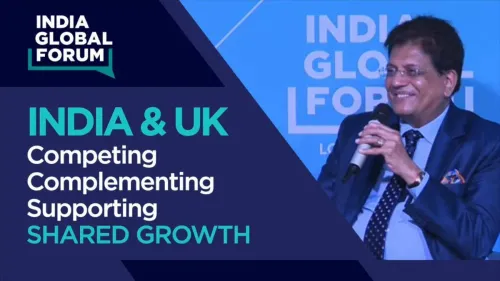
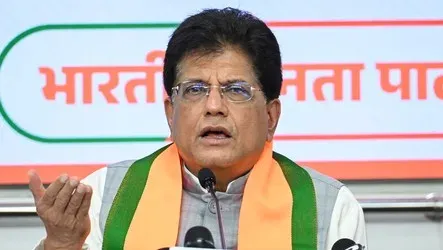
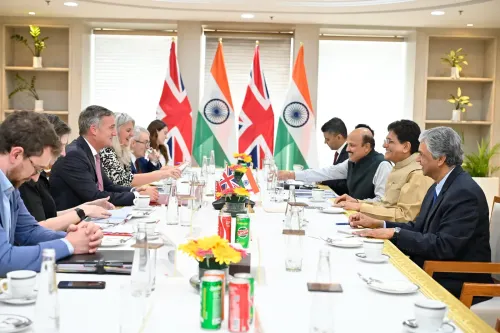
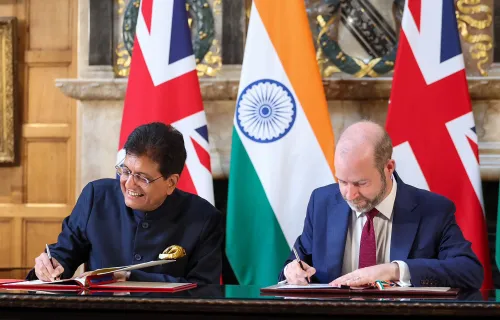
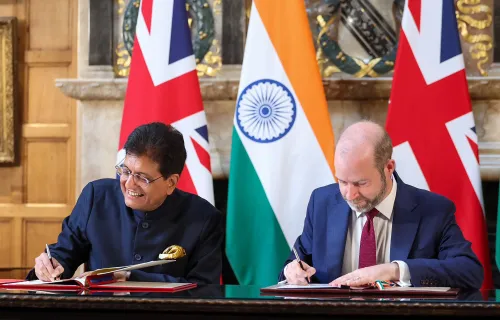
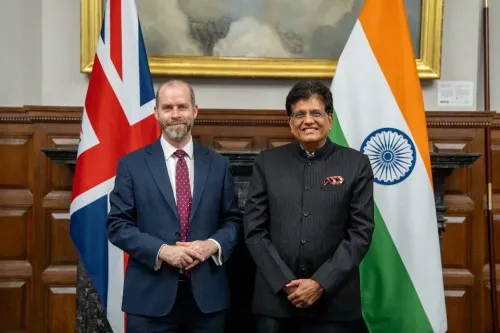
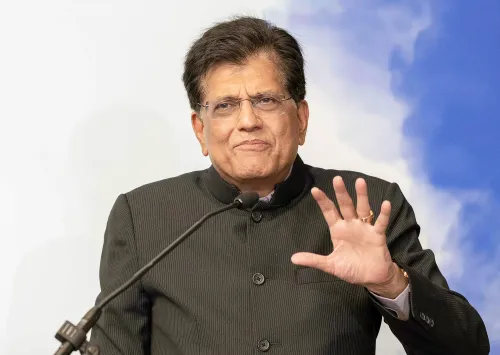
Union Commerce and Industry Minister Piyush Goyal on Wednesday, 15 July 2026, announced that the India-UK Free Trade Agreement (FTA) has come into force, calling it a landmark deal that will open new avenues for trade, investment, and innovation and accelerate Prime Minister Narendra Modi's vision of Viksit Bharat 2047.
Context
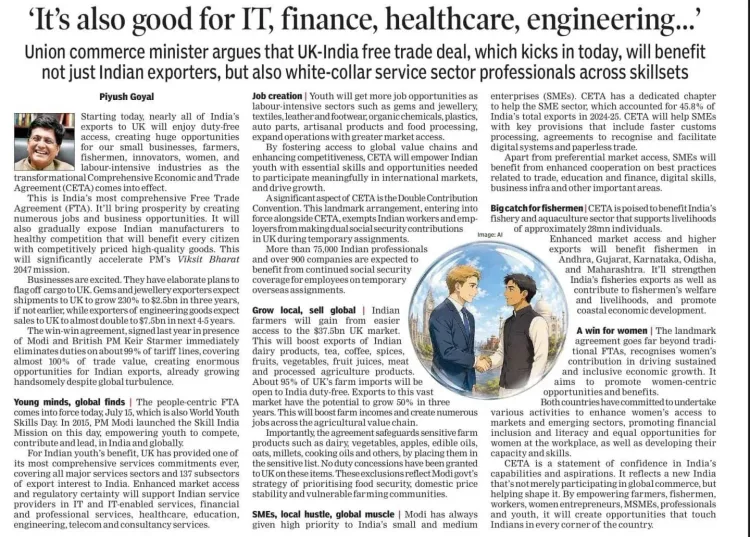
Goyal shared a written piece outlining the agreement's significance, stating that it 'will create unique opportunities for our businesses' and 'empower every section of society.' He specifically named women, farmers, youth, MSMEs, innovators, professionals, and fisherfolk as beneficiaries of the deal.
The minister described the agreement as one that 'reflects the capabilities and aspirations of the people of India,' framing it not merely as a trade instrument but as a vehicle for broad-based economic empowerment.
Policy Backdrop
Negotiations for a Comprehensive Trade and Investment Agreement between India and the United Kingdom were formally launched in January 2022, following the UK's exit from the European Union single market. Both sides pursued the pact as part of their respective economic strategies — India as part of a calibrated bilateral FTA push, and the UK as part of its post-Brexit effort to forge independent trade ties.
The India-UK FTA fits into a broader pattern of India concluding bilateral agreements with key partners, including deals with the UAE and Australia in 2022. These agreements collectively align with the government's stated goal of deepening India's integration into global trade while protecting sensitive domestic sectors.
The Viksit Bharat 2047 framework — the Modi government's long-term vision to achieve developed-economy status by the centenary of Indian independence — has served as the overarching policy rationale for such trade diplomacy.
Stakeholders and Impact
The agreement is expected to have wide-ranging sectoral implications. IT professionals and healthcare and engineering services exporters are among those cited as potential beneficiaries, given the UK's demand for skilled Indian talent and services. MSME exporters and agricultural producers, including fisherfolk, stand to gain from improved market access and reduced tariff barriers.
For Indian youth and entrepreneurs, the deal is positioned as an innovation corridor, potentially easing the flow of capital, technology, and professional mobility between the two countries. The inclusion of women and farmers in the minister's list of beneficiaries signals the government's intent to frame the FTA as an inclusive economic instrument.
What's Next
With the agreement now in force, attention will turn to implementation — specifically, sector-specific rules-of-origin notifications, tariff schedules taking effect, and any safeguard provisions that may be triggered in sensitive industries. Official bilateral trade statistics measuring shifts in goods and services flows will be a key indicator of the deal's real-world impact in the months ahead.
The India-UK FTA's entry into force marks a significant milestone in India's post-pandemic trade diplomacy and is likely to shape the template for future agreements the country pursues with other major economies.
Point of View
Completing a negotiation arc that began in early 2022. For the Modi government, the deal serves a dual purpose: deepening economic integration with a major Western economy while providing a tangible deliverable under the Viksit Bharat 2047 narrative. Goyal's framing — emphasising women, farmers, fisherfolk, and MSMEs alongside IT and services — reflects a deliberate attempt to broaden the political constituency for trade liberalisation beyond urban professional classes. The real test will be in implementation: whether sectoral gains materialise and whether the deal withstands pressure from domestic lobbies in sensitive industries on both sides.
NationPress
15 Jul 2026
Frequently Asked Questions
What is the India-UK Free Trade Agreement?
The India-UK Free Trade Agreement is a bilateral trade pact between India and the United Kingdom aimed at reducing tariffs and expanding market access for goods and services. Negotiations were formally launched in January 2022 and the agreement entered into force on 15 July 2026.
When did the India-UK FTA come into force?
The India-UK FTA came into force on 15 July 2026, as announced by Union Commerce and Industry Minister Piyush Goyal.
Who benefits from the India-UK FTA?
According to Minister Piyush Goyal, the agreement benefits a wide range of groups including MSMEs, farmers, IT professionals, healthcare and engineering services exporters, women entrepreneurs, youth, innovators, and fisherfolk.
How does the India-UK FTA relate to Viksit Bharat 2047?
The Modi government has positioned the India-UK FTA as a key instrument in advancing the Viksit Bharat 2047 vision — India's stated goal of achieving developed-economy status by the centenary of its independence in 2047.
What happens after the India-UK FTA enters into force?
After entry into force, attention shifts to implementation — including sector-specific rules-of-origin notifications, tariff schedules, and monitoring of bilateral trade statistics to assess the deal's real-world impact on goods and services flows.