Piyush Goyal Meets EU Parliament Trade Chief on India-EU FTA
Synopsis
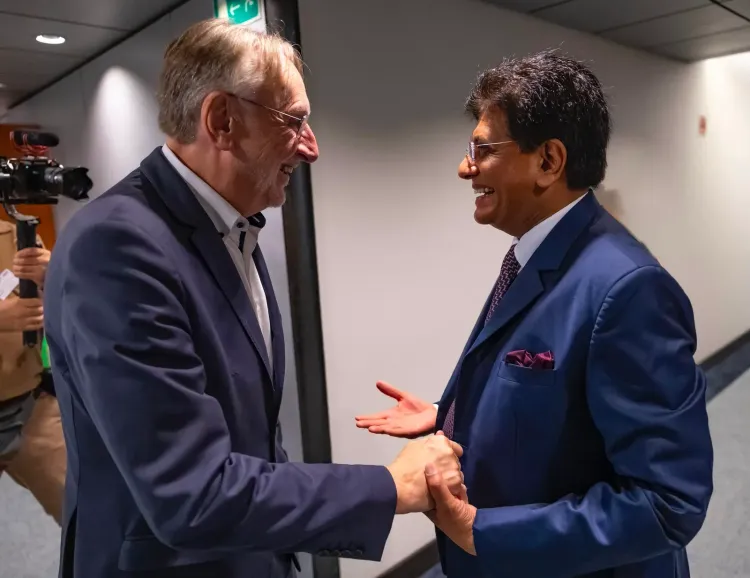
Commerce Minister Piyush Goyal met European Parliament trade committee Chairman Bernd Lange on 15 July 2026 to discuss the India-EU Free Trade Agreement. Goyal also invited Lange to visit India to deepen bilateral trade engagement as both sides push to conclude the long-stalled BTIA.
Key Takeaways
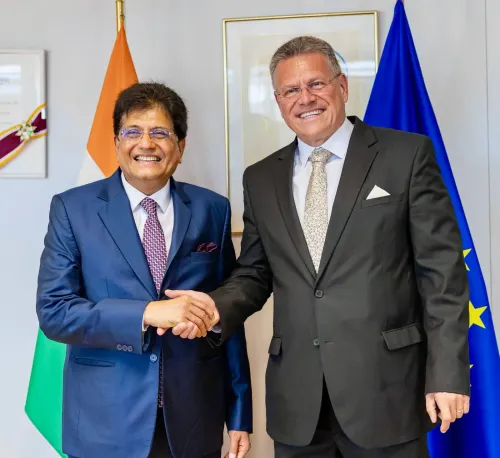
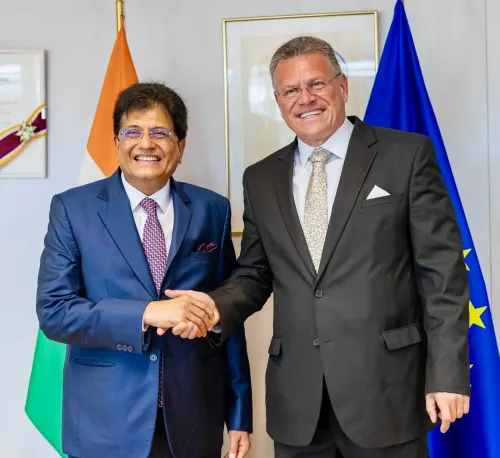
Piyush Goyal met Bernd Lange , Chairman of the European Parliament's INTA Committee , on 15 July 2026 to discuss the India-EU Free Trade Agreement .
Goyal extended a formal invitation to Lange to visit India to further deepen bilateral trade engagement.
The proposed Broad-based Trade and Investment Agreement (BTIA) was first launched in 2007 , suspended in 2013 , and revived in June 2022 .
The INTA Committee holds direct legislative authority over ratification of any concluded EU trade deal, making Lange 's engagement strategically significant.
India has advanced FTAs with the UAE , Australia , and the UK since 2022 as part of its export diversification strategy.
Both sides are expected to watch the next negotiating round and the upcoming India-EU Summit for concrete progress signals.
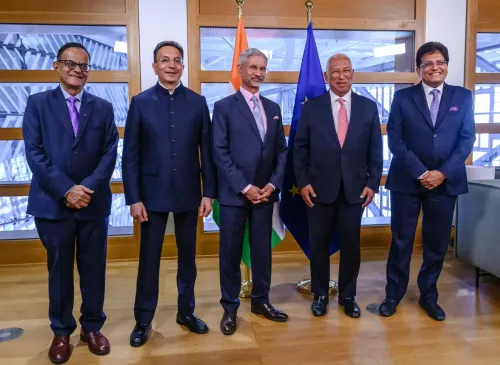
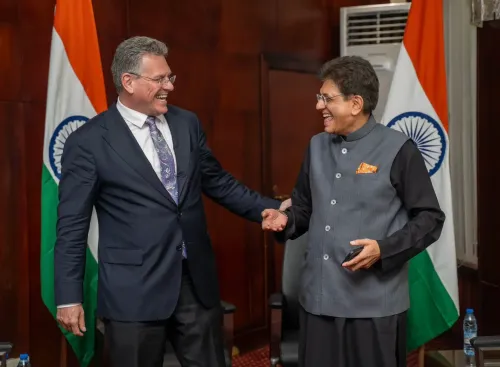
Union Commerce and Industry Minister Piyush Goyal met Bernd Lange, Chairman of the European Parliament's Committee on International Trade (INTA), on Wednesday, 15 July 2026, for discussions centred on the proposed India-EU Free Trade Agreement and the economic opportunities it holds for both sides.
Goyal described the meeting as 'productive', noting that the two sides discussed 'the vast opportunities it offers for businesses, industries, and people on both sides, paving the way for a prosperous future.' He also extended a formal invitation to Lange to visit India to deepen bilateral engagement further.
Context
The meeting brings together two of the most consequential figures in the India-EU trade architecture. Goyal leads India's trade negotiation apparatus as Union Minister of Commerce and Industry, while Lange, as Chairman of the INTA Committee, oversees the European Parliament's role in shaping the EU's common commercial policy and ratifying trade agreements. Any concluded India-EU deal would require approval from the body Lange chairs.
The invitation extended to Lange to visit India signals New Delhi's intent to build political momentum at the parliamentary level in Brussels, not just through executive-level diplomacy.
Policy Backdrop
Formal negotiations for what is officially called the Broad-based Trade and Investment Agreement (BTIA) were launched in 2007 but stalled in 2013 after 16 rounds, with disagreements over tariffs on automobiles and wines, data security, and professional services.
Talks resumed in June 2022 following the India-EU Leaders' Meeting in Brussels, with both sides framing the agreement as a strategic economic priority. The revival fits a broader pattern: since 2022, India has concluded or advanced free trade agreements with the UAE, Australia, and the United Kingdom as part of its export diversification drive.
The EU, simultaneously seeking to reduce supply-chain concentration risks and expand market access in Asia, has identified the agreement with India as central to its Indo-Pacific economic strategy.
Stakeholders and Impact
Indian exporters in sectors such as textiles, pharmaceuticals, IT services, and engineering goods stand to gain significantly from improved market access to the EU's single market of over 440 million consumers. On the European side, investors and manufacturers — particularly in automobiles, luxury goods, and clean energy equipment — are keenly watching the pace of negotiations.
The INTA Committee's role is especially significant: it conducts hearings, issues recommendations, and ultimately votes on whether the European Parliament ratifies any concluded agreement. Engagement with Lange at this stage therefore carries direct legislative weight, not merely diplomatic symbolism.
What's Next
Attention will now turn to the scheduling of the next negotiating round between Indian and EU technical teams, as well as any deliverables that may be announced at the next India-EU Summit. Lange's potential visit to India, if it materialises, could accelerate parliamentary-level confidence-building ahead of a final agreement. With both sides having publicly committed to the deal as a priority, the pace of progress in the second half of 2026 will be closely watched by trade ministries, industry bodies, and investors on both continents.
Point of View
In which India has moved from a historically defensive posture on FTAs to actively courting major economic blocs. The real test, however, remains whether the two sides can bridge persistent gaps on tariffs, data flows, and professional services mobility before the current political window closes.
NationPress
15 Jul 2026
Frequently Asked Questions
What is the India-EU Free Trade Agreement?
The India-EU Free Trade Agreement, formally called the Broad-based Trade and Investment Agreement (BTIA), is a proposed deal to liberalise goods, services, and investment flows between India and the European Union. Negotiations were launched in 2007, suspended in 2013, and formally resumed in June 2022.
Who is Bernd Lange and why does his role matter for the India-EU FTA?
Bernd Lange is the Chairman of the European Parliament's Committee on International Trade (INTA), the body that reviews and votes on EU trade agreements. His committee's approval is required for any concluded India-EU deal to enter into force, making his engagement with Indian officials directly consequential.
What did Piyush Goyal discuss with Bernd Lange on 15 July 2026?
Goyal and Lange discussed the India-EU Free Trade Agreement and the economic opportunities it offers for businesses, industries, and people on both sides. Goyal also invited Lange to visit India to further deepen bilateral trade engagement.
Why did India-EU FTA negotiations stall in 2013?
Negotiations stalled after 16 rounds due to disagreements over tariffs on automobiles and wines, data security provisions, and market access for professional services. Talks were formally revived in June 2022 following the India-EU Leaders' Meeting in Brussels.
What other FTAs has India signed recently?
Since 2022, India has concluded or significantly advanced free trade agreements with the UAE, Australia, and the United Kingdom as part of its broader export diversification and economic engagement strategy.