PLI scheme for food processing creates 3.35 lakh jobs, beats target: Parliament told
Synopsis
India's food processing PLI scheme has quietly outperformed its own jobs target — 3.35 lakh employment opportunities against a 2.50 lakh goal — while doubling product sales to over ₹1 lakh crore. With only ₹3,271 crore disbursed of a ₹10,900 crore outlay and the scheme closing in FY 2026-27, the real question is whether this momentum can be locked in before the window shuts.
Key Takeaways
The PLISFPI has generated 3.35 lakh direct and indirect jobs, exceeding the target of 2.50 lakh .
Investments attracted stand at ₹9,207 crore ; incentives disbursed total ₹3,271.44 crore as of June 2026 .
PLI-supported food product sales rose from ₹58,758 crore in FY20 to ₹1,08,854 crore in FY26.
The scheme covers 163 applications from 127 companies , including 69 MSMEs , across 212 locations in 22 states .
Food processing capacity created under the scheme stands at 34 lakh metric tons per annum .
The scheme's approved outlay of ₹10,900 crore runs through FY 2026-27 .
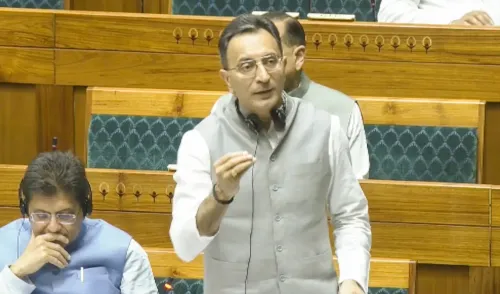
The Centre's Production Linked Incentive Scheme for the Food Processing Industry (PLISFPI) has generated approximately 3.35 lakh direct and indirect employment opportunities — surpassing its original target of 2.50 lakh jobs — while attracting investments worth ₹9,207 crore, Parliament was informed on Thursday, 30 July 2026. The data was tabled in the Lok Sabha, offering the most comprehensive public accounting of the scheme's performance to date.
Key Developments
Sales of PLI-supported food products have more than doubled, rising from ₹58,758 crore in FY 2019-20 to ₹1,08,854 crore in FY 2025-26. Incentives totalling ₹3,271.44 crore have been disbursed up to June 2026, out of an approved outlay of ₹10,900 crore for the period FY 2021-22 to FY 2026-27.
The scheme currently covers 163 applications from 127 companies, including 69 Micro, Small and Medium Enterprises (MSMEs). Approved projects are spread across 212 locations in 22 states, reflecting a broad geographic footprint.
Capacity and Export Push
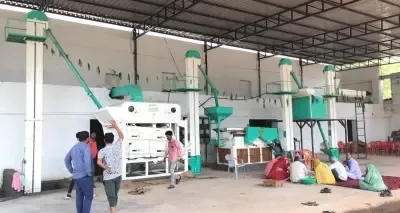
Investments under the scheme have created food processing capacity of 34 lakh metric tons per annum. A dedicated Branding and Marketing component supports Indian food brands in overseas markets, offering approved applicants financial incentives at 50 per cent of eligible expenditure incurred on branding and marketing abroad — capped at 3 per cent of food product sales or ₹50 crore per year, whichever is lower.
A separate category under PLISFPI caters specifically to Small and Medium Enterprises (SMEs) engaged in innovative and organic food products, broadening the scheme's reach beyond large manufacturers.
What the Scheme Aims to Do
Implemented by the Ministry of Food Processing Industries, the scheme provides performance-linked incentives on eligible incremental sales. Its stated objectives include promoting domestic processing and value addition, building global food manufacturing champions, and expanding Indian food brands into international markets. Notably, disbursements are tied to achievement of incremental sales milestones rather than mere capacity creation — a design feature intended to prevent the underdelivery on outcomes that has dogged some other PLI iterations.
Complementary Schemes
The Ministry is also running the Prime Minister's Formalisation of Micro Food Processing Enterprises (PMFME) Scheme, a demand-driven initiative offering financial, technical, and business support for setting up or upgrading micro food processing enterprises. The PMFME focuses on capacity building, credit support, technology upgradation, and market linkages — targeting the informal segment that PLISFPI's corporate-facing structure does not fully address.
With the scheme's outlay period ending in FY 2026-27, the government's next step will be to decide whether to extend, expand, or restructure PLISFPI based on the employment and export outcomes now on the parliamentary record.
Point of View
Many of which have struggled to convert production incentives into verifiable employment. The sales doubling from ₹58,758 crore to over ₹1 lakh crore is a credible output metric, not just a disbursement figure. That said, only ₹3,271 crore of a ₹10,900 crore outlay has been released, meaning the scheme's full impact is still unfolding. The inclusion of 69 MSMEs and a dedicated SME organic-foods category is structurally sound, but the PMFME scheme's parallel existence signals that the informal micro-processing sector remains largely outside the PLI tent — a gap that will determine whether these gains are broad-based or concentrated among larger players.
NationPress
30 Jul 2026
Frequently Asked Questions
How many jobs has the PLI scheme for food processing created?
The PLISFPI has generated approximately 3.35 lakh direct and indirect employment opportunities, surpassing its original target of 2.50 lakh jobs, according to data tabled in the Lok Sabha on 30 July 2026.
How much investment has the food processing PLI scheme attracted?
The scheme has attracted investments worth ₹9,207 crore. Of the total approved outlay of ₹10,900 crore, incentives amounting to ₹3,271.44 crore have been disbursed up to June 2026.
Which companies and states are covered under PLISFPI?
A total of 163 applications from 127 companies — including 69 MSMEs — are covered under the scheme. Approved projects span 212 locations across 22 states in India.
How have sales of PLI-supported food products changed?
Sales of PLI-supported products more than doubled, rising from ₹58,758 crore in FY 2019-20 to ₹1,08,854 crore in FY 2025-26, reflecting both capacity expansion and increased market penetration.
What is the PMFME scheme and how does it differ from PLISFPI?
The Prime Minister's Formalisation of Micro Food Processing Enterprises (PMFME) Scheme is a separate, demand-driven initiative targeting micro food processing units with financial, technical, and business support. Unlike the corporate-oriented PLISFPI, PMFME focuses on formalising and upgrading the informal micro-processing sector through credit support, technology upgradation, and market linkages.