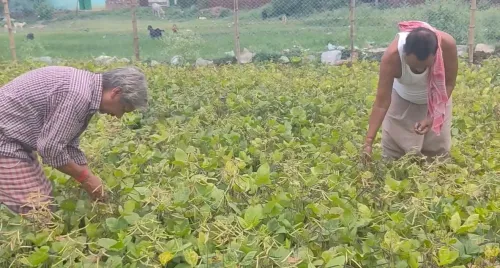
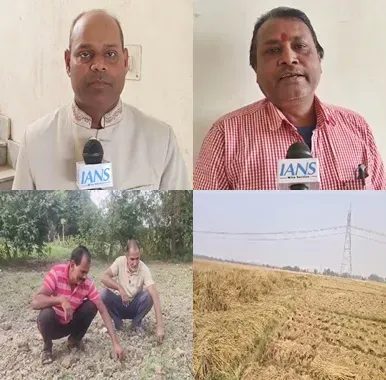
PM-KISAN scheme transforms Sarthal Valley farming in Kathua district
Synopsis
In Kathua's Sarthal Valley — a hill region where farming once meant growing just enough to eat — PM-KISAN's ₹2,000 quarterly transfers are funding a quiet agricultural revolution. Small farmers are now supplying potatoes and vegetables to Punjab and Himachal Pradesh mandis, turning a subsistence belt into a commercial one.
Key Takeaways
PM-KISAN is driving a shift from subsistence to commercial farming in Sarthal Valley , Kathua district , Jammu and Kashmir .
Farmers now supply potatoes, peas, and cauliflower to markets in Punjab and Himachal Pradesh , beyond local mandis.
Each eligible farmer receives ₹2,000 every four months ( ₹6,000 annually) via direct bank transfer.
Pritam Singh of Bani tehsil credited the scheme with enabling purchase of improved seeds and fertilisers, boosting yields.
The Agriculture Department is supplementing cash transfers with improved seed distribution and modern farming training.
Farmers say timely instalments have reduced dependence on loans for seasonal input costs including tractor hire, labour, and transport.
The Pradhan Mantri Kisan Samman Nidhi (PM-KISAN) scheme is reshaping agricultural livelihoods in the Sarthal Valley of Kathua district, Jammu and Kashmir, with small farmers reporting higher incomes and expanded market reach after receiving direct benefit transfers into their bank accounts. The shift, observed as of 10 August, marks a notable transition from subsistence farming to commercial vegetable cultivation in a traditionally self-sufficient hill region.
From Subsistence to Commercial Farming
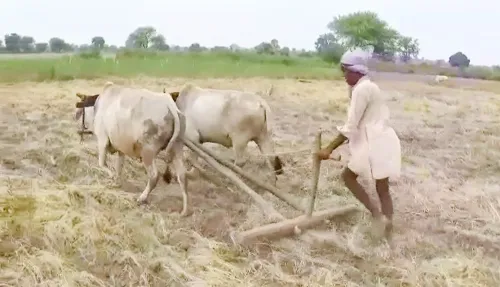
Sarthal Valley, a hilly terrain where most farmers once grew crops primarily for household consumption, has seen a measurable pivot toward market-oriented agriculture. Potatoes, peas, cauliflower, and other seasonal vegetables have emerged as key cash crops, with farmers now supplying produce not only within Jammu and Kashmir but also to mandis in Punjab and Himachal Pradesh.
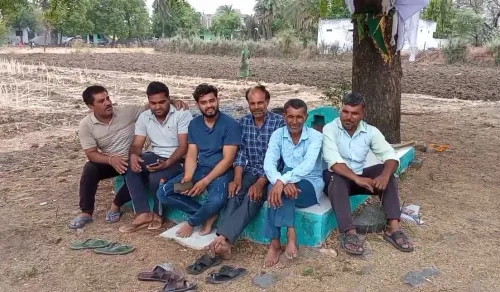
Farmers in the valley said that arranging funds for seeds, fertilisers, and irrigation had historically been their most pressing constraint. Timely instalments under PM-KISAN have allowed them to invest in inputs without taking on heavy debt, according to their accounts.
What Farmers Say
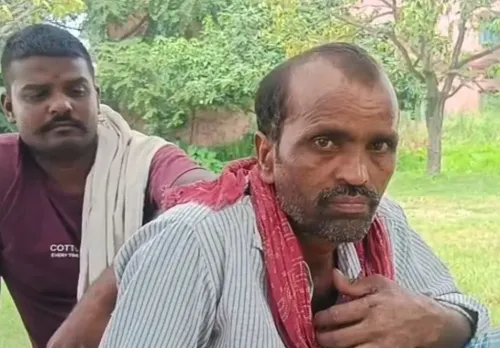
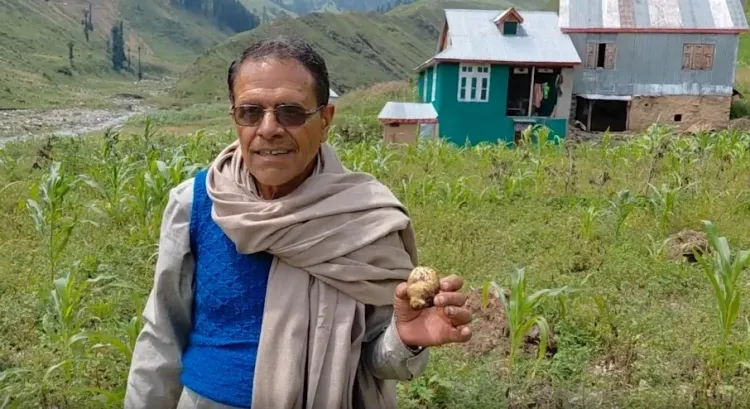
Pritam Singh, a farmer from Bani tehsil, said the financial assistance enabled him to purchase improved seeds and fertilisers. 'First of all, I would like to thank the Prime Minister for sending the PM-KISAN money into our accounts. It has been very beneficial for small farmers like us. We have cultivated potatoes in Sarthal and are supplying them across Jammu and Kashmir as well as to Punjab,' Singh said.
Singh added that technical guidance from the Agriculture Department contributed to a significant improvement in crop yields, with his produce now reaching both local and inter-state markets. He also urged fellow small farmers to treat agriculture as a viable livelihood: 'I appeal to other small farmers to focus on agriculture because it can provide a good income. We are using quality seeds provided with the support of the Agriculture Department and are getting better yields,' he said.
How the ₹2,000 Instalment Helps
Under PM-KISAN, eligible farmers receive ₹2,000 every four months — totalling ₹6,000 annually — transferred directly to their bank accounts. Farmers in Sarthal Valley said this instalment covers critical operational costs including tractor rentals, labour charges, and transportation, enabling timely market delivery and reduced post-harvest losses.
The direct-benefit structure bypasses intermediaries, a feature farmers credited with making the assistance more reliable than earlier support mechanisms that were often delayed or diluted.
Government Support Beyond Cash Transfers
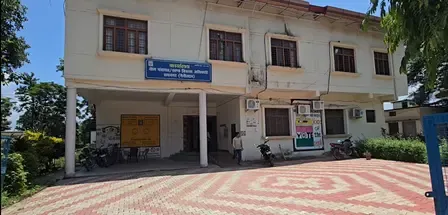
Agriculture Department officials confirmed that PM-KISAN assistance is being complemented by distribution of improved seed varieties and training programmes on modern farming techniques. Officials said the combination of financial support and technical outreach has accelerated productivity gains in the valley.
This comes amid a broader Centre push to double farm incomes, with PM-KISAN serving as one of the flagship instruments. Notably, Sarthal Valley's experience illustrates how direct transfers can catalyse commercial behaviour in regions where geography and capital constraints had previously limited agricultural ambition.
What's Next for Sarthal Valley Farmers
With inter-state supply chains now established and yields improving, farmers and officials alike expect further expansion of commercial vegetable cultivation in the coming seasons. Sustained access to improved seeds and continued Agriculture Department support will be critical to maintaining the momentum, according to officials in the district.
Point of View
Not a verdict. The scheme's direct-transfer design does remove leakage risk, and the anecdotal evidence of farmers entering inter-state supply chains is genuinely encouraging. What is missing from this picture is scale: how many of Kathua's farmers have made the subsistence-to-commercial leap, and what share of that shift is attributable to PM-KISAN versus Agriculture Department inputs or broader market access improvements? Without disaggregated data, the risk is that a real but localised success gets generalised into a national headline. The scheme's ₹6,000 annual outlay also remains modest against the actual cost of a full cultivation cycle — meaningful as a buffer, but unlikely to be transformative on its own without the accompanying technical support.
NationPress
25 Sept 2026
Frequently Asked Questions
What is the PM-KISAN scheme and how does it work?
PM-KISAN (Pradhan Mantri Kisan Samman Nidhi) is a central government scheme that transfers ₹6,000 annually — in three instalments of ₹2,000 each — directly into the bank accounts of eligible small and marginal farmers. The direct-benefit transfer model bypasses intermediaries, ensuring timely and full receipt of assistance.
How has PM-KISAN helped farmers in Sarthal Valley, Kathua?
Farmers in Sarthal Valley say PM-KISAN instalments have allowed them to purchase improved seeds and fertilisers and cover operational costs such as tractor hire, labour, and transportation without relying heavily on loans. Several have transitioned from subsistence farming to commercial vegetable cultivation, supplying produce to markets in Punjab and Himachal Pradesh.
Which crops are farmers in Sarthal Valley now growing commercially?
Potatoes, peas, cauliflower, and other seasonal vegetables have emerged as key commercial crops in Sarthal Valley. Potatoes in particular are being supplied across Jammu and Kashmir and to mandis in Punjab, according to farmers in the region.
What support is the Agriculture Department providing alongside PM-KISAN?
The Agriculture Department is distributing improved seed varieties and conducting training programmes on modern farming techniques in Sarthal Valley. Officials say this technical outreach, combined with PM-KISAN cash transfers, has contributed to improved crop yields and productivity in the district.
Who is eligible for PM-KISAN benefits?
Small and marginal farmer families that own cultivable land are eligible for PM-KISAN, subject to certain exclusions such as institutional landholders and those in higher income or tax-paying categories. Eligible farmers must have their land records linked to their Aadhaar and bank account for direct transfer.