PM Modi Approves 6-Lane Ganga Corridor in Varanasi
Synopsis
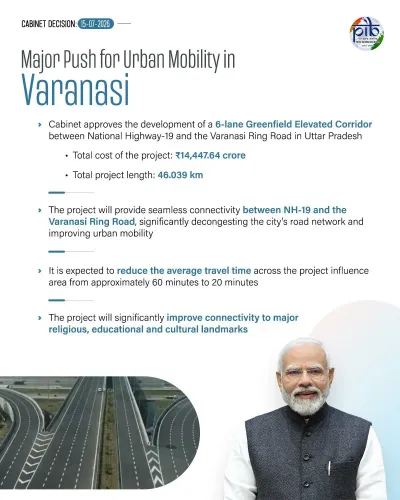
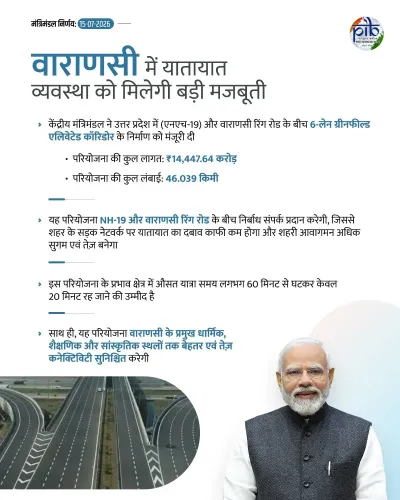
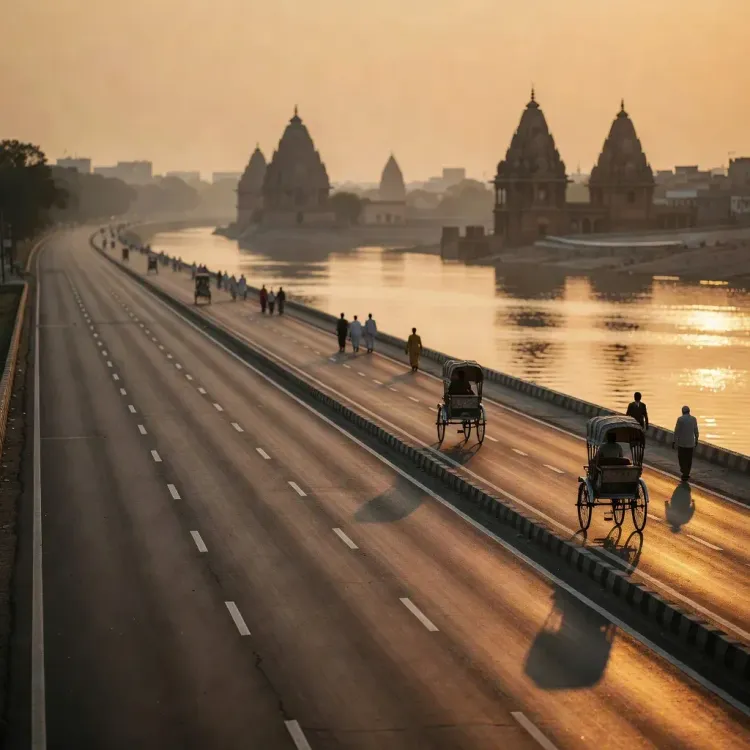
Prime Minister Narendra Modi on 15 July 2026 approved a 6-lane modern corridor along the Ganga in Varanasi, his parliamentary constituency, to improve road connectivity to the city's religious, educational, and cultural sites and ease traffic on existing routes.
Key Takeaways
PM Modi announced government approval for a 6-lane corridor along the Ganga in Varanasi on 15 July 2026 .
The corridor is designed to improve access to Varanasi 's major religious, educational, and cultural sites.
The project aims to ease traffic pressure on the city's existing road network.
The announcement continues a decade-long pattern of infrastructure investment in Varanasi , PM Modi 's parliamentary constituency.
Earlier milestones include the Kashi Vishwanath Dham Corridor (inaugurated December 2021 ) and Varanasi 's inclusion in the Smart Cities Mission in 2015 .
Detailed project cost, alignment, and timeline are awaited from the Ministry of Road Transport and Highways .
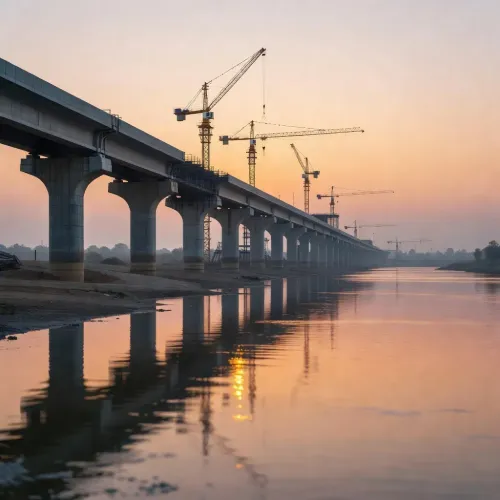
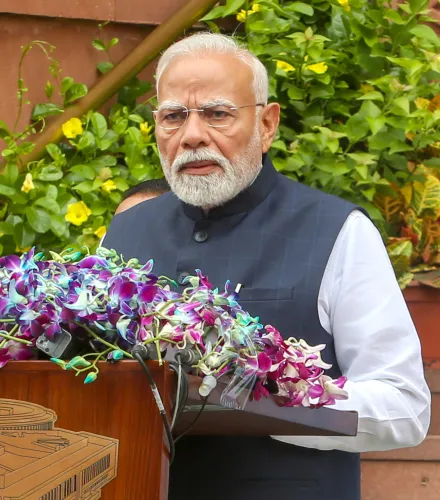
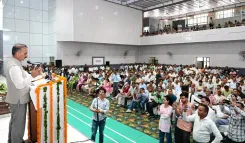
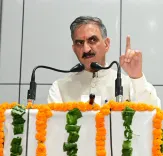
Prime Minister Narendra Modi on Wednesday, 15 July 2026 announced that the government has approved the construction of a six-lane, state-of-the-art corridor along the banks of the Ganga in Varanasi, reaffirming the Centre's commitment to world-class infrastructure development in the ancient city.
Posting in Hindi on X, PM Modi said: 'काशी में वर्ल्ड क्लास इंफ्रास्ट्रक्चर के विकास के लिए हम प्रतिबद्ध हैं' ('We are committed to developing world-class infrastructure in Kashi'). He added that the newly approved 6-lane modern corridor along the Ganga will improve access to the city's major religious, educational, and cultural sites, and ease traffic pressure on the existing road network.
Context
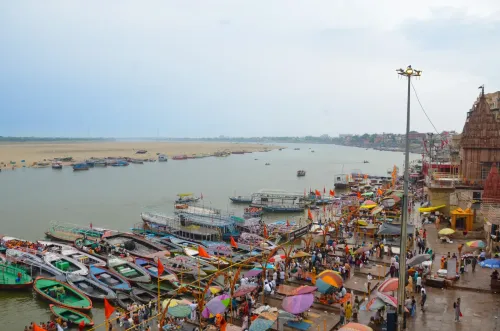
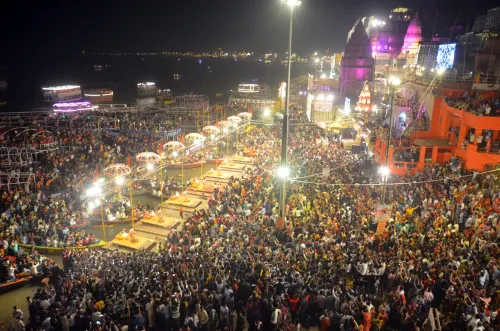
Varanasi — also known as Kashi — is PM Modi's own parliamentary constituency and one of India's most densely visited pilgrimage destinations. The city draws millions of devotees and tourists annually to its ghats, temples, and cultural institutions, creating persistent mobility challenges on its narrow, historic street grid.
The announcement builds on a series of large-scale urban interventions in Varanasi since 2014, including the city's inclusion in the Smart Cities Mission in 2015 for integrated urban mobility upgrades and successive phases of Namami Gange-funded riverfront development.
Policy Backdrop
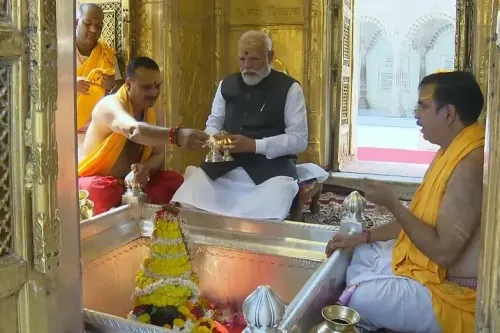
The most visible precursor to this corridor is the Kashi Vishwanath Dham Corridor, inaugurated in December 2021, which redeveloped the stretch linking the iconic Kashi Vishwanath Temple with the riverfront ghats to ease pilgrim movement. The new 6-lane Ganga corridor appears to extend that connectivity logic to a larger arterial scale.
National highway and corridor investments in pilgrimage cities have been channelled partly through the Bharatmala Pariyojana, the flagship highways development programme launched in 2015, which funds expressway and urban corridor projects across the country. The Ministry of Road Transport and Highways is expected to detail project alignment, cost estimates, and timelines in the coming weeks.
Stakeholders and Impact
The corridor is projected to benefit Varanasi's pilgrims, daily commuters, and tourists by reducing congestion on arterial routes that currently pass through the city's congested core. Improved road access to religious sites, universities, and cultural centres could also provide a fillip to the local economy, which is heavily dependent on religious tourism and the associated trade in handicrafts and hospitality.
Residents and traders along the proposed corridor alignment, however, may face displacement or disruption during construction — a recurrent concern in earlier Varanasi redevelopment projects. Coordination with ongoing Namami Gange riverfront works will be critical to avoid overlapping civil works along the riverbank.
What's Next
The government is expected to release a detailed project report covering the corridor's alignment, estimated cost, construction timeline, and land acquisition requirements. Integration with the Namami Gange programme's active riverfront works and the city's existing urban mobility plans will determine how quickly ground-level work can begin.
For Varanasi, the approval marks another step in what has been a sustained, decade-long push to transform the city into a model of religious tourism infrastructure — a template the Centre has been replicating at pilgrimage sites across India.
Point of View
Reinforcing the political and symbolic weight the BJP attaches to Kashi as a model of Hindu cultural revival and modern governance. The project follows the proven template of the Kashi Vishwanath Dham Corridor — using large-scale connectivity works to simultaneously serve pilgrims, boost religious tourism, and generate visible development optics. The announcement, made directly on social media before any formal ministry notification, also reflects the government's preference for top-down, PM-led infrastructure signalling. The critical test will be execution: land acquisition timelines, coordination with Namami Gange works, and displacement of riverfront communities will determine whether the project delivers on its promise.
NationPress
15 Jul 2026
Frequently Asked Questions
What is the 6-lane Ganga corridor in Varanasi?
It is a newly approved six-lane modern road corridor along the banks of the Ganga in Varanasi, announced by PM Modi on 15 July 2026 to improve access to the city's religious, educational, and cultural sites and reduce traffic congestion.
Why is PM Modi building infrastructure in Varanasi?
Varanasi is PM Modi 's parliamentary constituency and a major pilgrimage destination. The government has pursued sustained infrastructure investment there since 2014 , including the Kashi Vishwanath Dham Corridor and Smart Cities Mission projects, to improve urban mobility and religious tourism.
What is the Kashi Vishwanath Dham Corridor?
The Kashi Vishwanath Dham Corridor is a major temple-ghat redevelopment project inaugurated in December 2021 that linked the Kashi Vishwanath Temple with the Ganga riverfront to ease movement for pilgrims.
How will the Varanasi Ganga corridor affect commuters and pilgrims?
The 6-lane corridor is intended to ease traffic on Varanasi 's congested existing roads and provide faster, smoother access to key religious, educational, and cultural landmarks for daily commuters, pilgrims, and tourists.
What is the Bharatmala Pariyojana and is it related to this project?
Bharatmala Pariyojana is a national highways development programme launched in 2015 that funds expressway and corridor projects across India. Urban corridor investments in pilgrimage cities have been channelled partly through this programme, though the specific funding source for the new Varanasi corridor is yet to be officially confirmed.