PM Modi Approves 6/4-Lane Elevated Corridor Along Varuna River in Varanasi
Synopsis
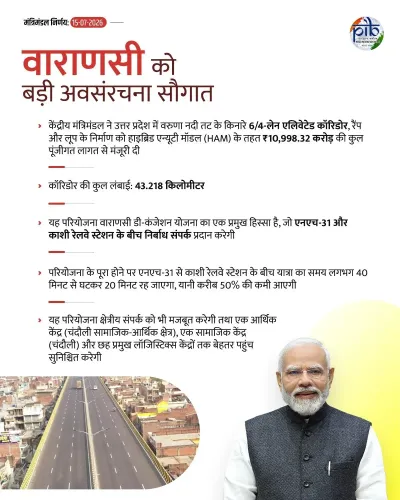
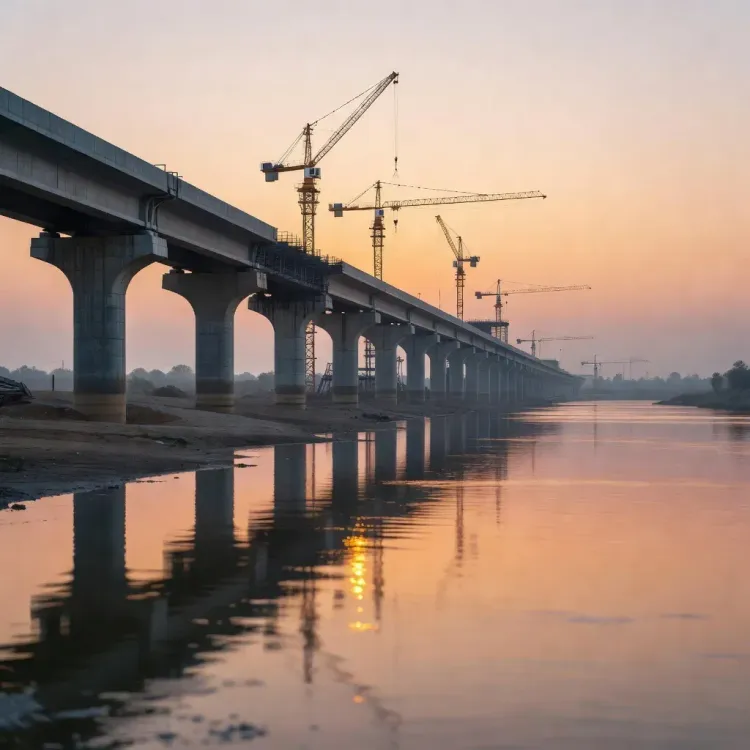
PM Modi on 15 July 2026 announced government approval for a 6/4-lane elevated corridor along the Varuna River in Varanasi, aimed at easing pilgrim access to the Kashi Vishwanath Temple and boosting urban connectivity in Uttar Pradesh.
Key Takeaways
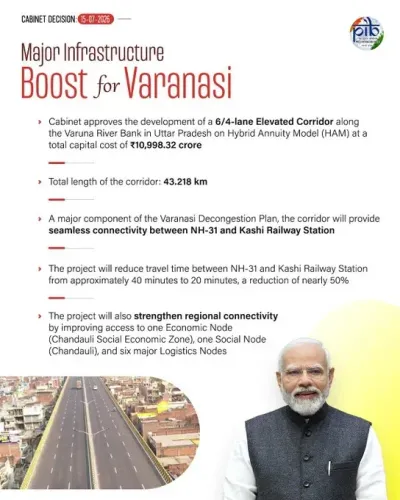
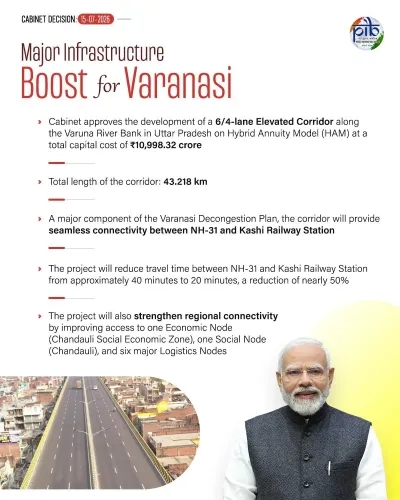
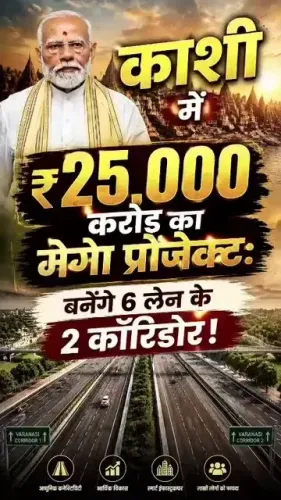
The central government has approved a 6/4-lane elevated corridor along the Varuna River in Varanasi .
PM Modi announced the approval on 15 July 2026 via a Hindi post on X.
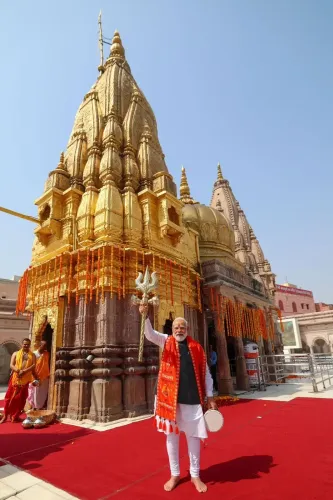
The project aims to make access to the Kashi Vishwanath Temple more convenient for pilgrims.
The corridor complements earlier projects including the Kashi Vishwanath Corridor inaugurated in December 2021 .
The approval aligns with the PM Gati Shakti National Master Plan and the Bharatmala Pariyojana framework.
Pilgrims, local commuters, and Varanasi traders are among the primary beneficiaries.
Prime Minister Narendra Modi on Wednesday, 15 July 2026, announced that his government has approved the construction of a 6/4-lane elevated corridor along the Varuna River in Varanasi, aimed at improving connectivity and easing access to the Kashi Vishwanath Temple for pilgrims and commuters alike.
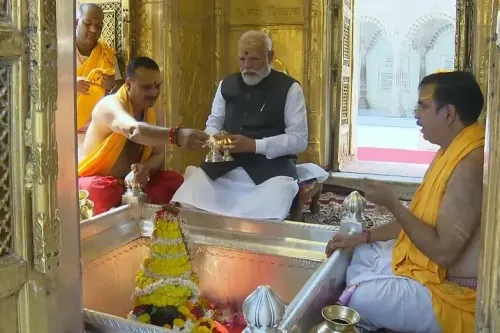
Posting in Hindi on X, PM Modi wrote: 'उत्तर प्रदेश में कनेक्टिविटी के विस्तार के साथ वाराणसी में बाबा विश्वनाथ के दर्शन को और अधिक सुगम एवं सुविधाजनक बनाने के लिए हम कृतसंकल्प हैं।' ('We are committed to expanding connectivity in Uttar Pradesh and making the darshan of Baba Vishwanath in Varanasi more accessible and convenient.') He added that the government has approved the elevated corridor along the banks of the Varuna River as a step in this direction.
Context
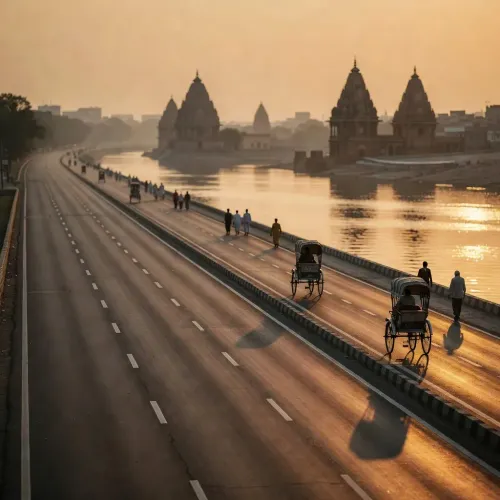
Varanasi, one of the world's oldest continuously inhabited cities, is PM Modi's own Lok Sabha constituency and a major Hindu pilgrimage destination. Millions of devotees visit the Kashi Vishwanath Temple every year, placing significant strain on the city's road network. The newly approved elevated corridor is designed to ease this congestion while providing a faster arterial route through the city.
The Varuna River flows along the northern edge of Varanasi, and an elevated structure along its banks would allow traffic to bypass densely packed inner-city lanes without displacing residents or disrupting the historic urban fabric.
Policy Backdrop
This approval is the latest in a series of infrastructure investments centred on Varanasi. The landmark Kashi Vishwanath Corridor, which connected the temple directly to the ghats on the Ganga, was inaugurated in December 2021 and drew widespread attention to the city's transformation. Road projects in Uttar Pradesh have also advanced under the Bharatmala Pariyojana, the central government's flagship highway programme launched in 2016.
The PM Gati Shakti National Master Plan, launched in 2021, provides an overarching framework for integrating multimodal connectivity at pilgrimage and tourist hubs, including Varanasi. The Varuna elevated corridor fits squarely within this planning architecture, complementing ring road phases already under development in the region.
Stakeholders and Impact
The project is expected to benefit Varanasi's pilgrims, daily commuters, and the local trading community. Easier access to the Kashi Vishwanath Temple could boost footfall at the temple complex and surrounding ghats, with downstream benefits for hotels, shops, and boat operators who depend on pilgrim traffic.
Residents of localities along the Varuna River corridor stand to gain from reduced surface-road congestion, while Uttar Pradesh's broader logistics network benefits from an additional arterial link within the state's most prominent religious city.
What's Next
Attention will now shift to the project's construction timeline, land acquisition process, and how the elevated corridor integrates with existing and planned phases of the Varanasi Ring Road. State government budget allocations and any review meetings convened by the Uttar Pradesh administration will be closely watched as indicators of execution pace.
If delivered on schedule, the Varuna elevated corridor would mark another visible infrastructure milestone in Varanasi ahead of future electoral cycles, reinforcing the central government's strategy of anchoring large-scale urban projects in pilgrimage cities to stimulate local economies and demonstrate governance outcomes.
Point of View
PM Modi reinforces a political-governance narrative that links temple access with modern road engineering. The project also fits the broader National Infrastructure Pipeline's push for last-mile connectivity at tourist and religious hubs across Uttar Pradesh. Execution speed and land acquisition outcomes will ultimately determine whether this approval translates into a tangible pre-election deliverable.
NationPress
15 Jul 2026
Frequently Asked Questions
What is the Varuna River elevated corridor in Varanasi?
It is a newly approved 6/4-lane elevated road to be built along the banks of the Varuna River in Varanasi, intended to ease traffic congestion and improve pilgrim access to the Kashi Vishwanath Temple.
Who approved the Varanasi elevated corridor project?
The central government under Prime Minister Narendra Modi approved the project, as announced by PM Modi on 15 July 2026.
How does this project relate to the Kashi Vishwanath Corridor?
The Kashi Vishwanath Corridor, inaugurated in December 2021, connected the temple to the Ganga ghats. The new Varuna elevated corridor is a complementary road project aimed at improving broader urban connectivity leading to the temple area.
What is Bharatmala Pariyojana and is this project part of it?
Bharatmala Pariyojana is the central government's flagship highway development programme launched in 2016. The Varanasi elevated corridor fits within the wider network of road projects being executed under this framework in Uttar Pradesh.
Who will benefit from the Varuna River elevated corridor?
Pilgrims visiting the Kashi Vishwanath Temple, daily commuters in Varanasi, and local traders are the primary beneficiaries, as the corridor is expected to reduce surface-road congestion and improve travel times across the city.