CM Nitish Flags Bihar Push on Education, Industry, Tourism
Synopsis
Chief Minister Nitish Kumar, quoted by the Bihar CMO on 15 July 2026, said the state government is working across education, infrastructure, industry, and tourism to accelerate Bihar's overall development and create better employment and self-employment opportunities for youth.
Key Takeaways
The Chief Minister's Office of Bihar shared remarks by CM Nitish Kumar on 15 July 2026 outlining the state's development priorities.
The government has identified four pillars of focus: education, infrastructure, industry, and tourism.
The Chief Minister stated these initiatives will provide better opportunities in education, employment, and self-employment for Bihar's youth.
Bihar 's development strategy under Nitish Kumar has been consistent since 2005 , spanning school enrolment, industrial incentives, and infrastructure outlays.
Budget allocations for 2026-27 and potential investment summits will be watched as indicators of implementation.
The Chief Minister's Office of Bihar shared remarks by Chief Minister Nitish Kumar on Wednesday, 15 July 2026, stating that the state government is continuously working to achieve comprehensive development across education, infrastructure, industry, and tourism.
In the post, the Chief Minister's Office quoted the Chief Minister as saying: 'राज्य सरकार शिक्षा, आधारभूत संरचना, उद्योग एवं पर्यटन के क्षेत्र में व्यापक विकास के लिए निरंतर कार्य कर रही है' ('The state government is continuously working for comprehensive development in the fields of education, infrastructure, industry, and tourism'). He added that these initiatives would give 'new momentum to Bihar's overall development' and make 'better opportunities in education, employment, and self-employment available for the youth.'
Context
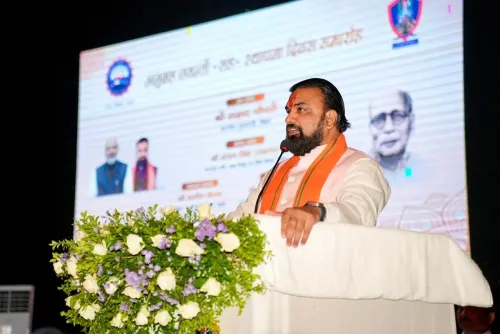
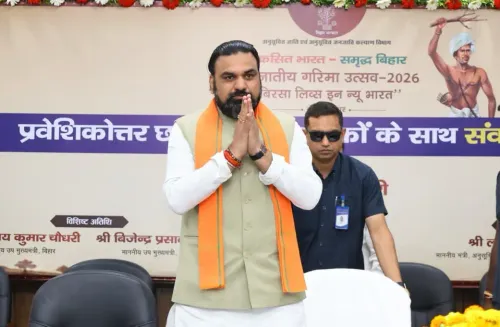
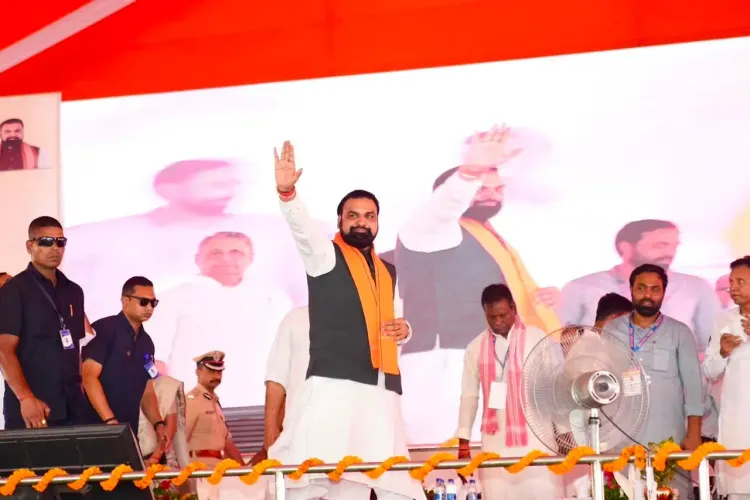
The remarks came in response to a post by @samrat4bjp on the social media platform X, with the Chief Minister's Office amplifying the Chief Minister's stated development priorities. The statement underscores the government's intent to address Bihar's historically low economic output and persistent out-migration of working-age youth by building across multiple sectors simultaneously.
Bihar has long ranked among India's lower-income states, with large numbers of its youth seeking work in other states due to limited local employment. The government's framing of education, infrastructure, industry, and tourism as four interlocked pillars reflects an acknowledgement that no single sector can absorb the state's demographic pressure alone.
Policy Backdrop
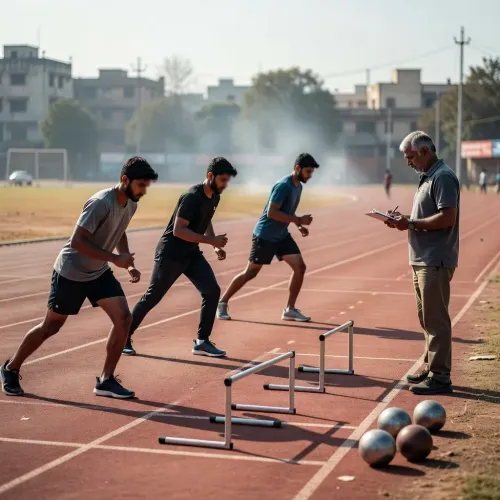
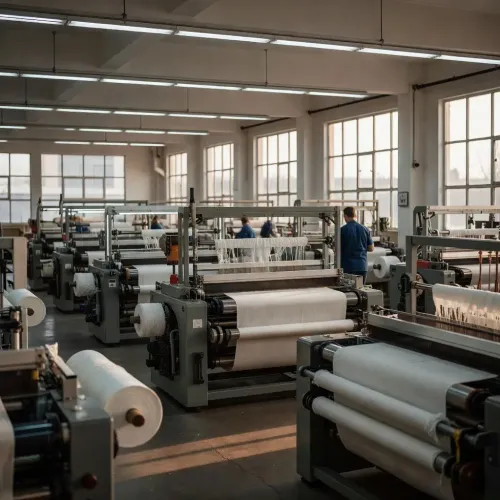
Nitish Kumar's administrations since 2005 have pursued a consistent multi-sector development strategy. Early flagship efforts included school enrolment drives and the Mukhyamantri Balika Cycle Yojana, which boosted girls' attendance. State industrial policies from 2006 onward offered incentives to revive manufacturing and small industry after decades of stagnation.
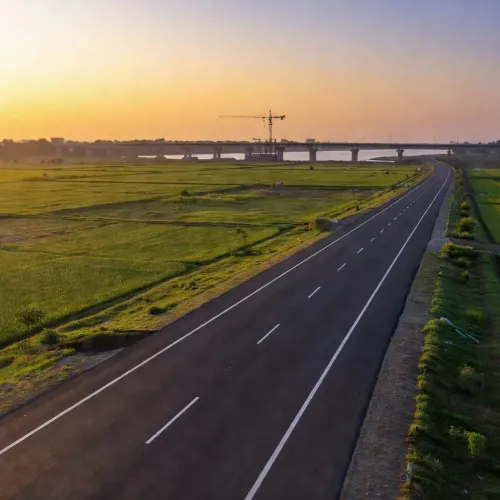
Successive five-year plans from 2010 onward allocated large outlays for roads, bridges, and power — infrastructure seen as a prerequisite for private investment. Tourism, particularly around Bihar's Buddhist heritage circuits and sites such as Bodh Gaya and Nalanda, has been positioned as a sector capable of generating local, non-migratory employment.
Stakeholders and Impact
The primary beneficiaries identified in the Chief Minister's statement are Bihar's youth — students, job-seekers, and aspiring entrepreneurs. The explicit mention of 'self-employment' (swayrozgar) signals a focus not just on formal-sector jobs but on enabling small-business creation, which is significant given the state's large informal economy.
Local entrepreneurs and small-industry operators stand to benefit from sustained industrial policy support, while students could see continued investment in school and higher-education infrastructure. Tourism stakeholders — from hospitality operators to local artisans — are also included in the government's stated development arc.
What's Next
Observers will look to Bihar's state budget allocations for 2026-27 as the clearest indicator of whether the priorities articulated in the Chief Minister's statement are backed by commensurate public expenditure. Any follow-up investment summits or sector-specific policy announcements targeting industry and tourism projects will be key signals of implementation intent.
The government's ability to translate these stated goals into measurable outcomes — school completion rates, new industrial units, tourist arrivals — will determine how this multi-sector development pitch is ultimately assessed.
Point of View
Infrastructure, industry, tourism — is not new for Bihar under Nitish Kumar, but its reiteration signals that the government sees this as its core legitimising story. The explicit focus on youth employment and self-employment reflects an awareness of Bihar's demographic pressure: a young, large population that has historically migrated for work. Whether the statement translates into fresh policy action or represents continuity messaging will become clearer with the 2026-27 budget.
NationPress
15 Jul 2026
Frequently Asked Questions
What did Bihar CM Nitish Kumar say about development on 15 July 2026?
CM Nitish Kumar said the Bihar state government is continuously working for comprehensive development in education, infrastructure, industry, and tourism, and that these efforts will create better education, employment, and self-employment opportunities for youth.
What are Bihar's main development priorities under Nitish Kumar?
Bihar's stated development priorities under Nitish Kumar include education, physical infrastructure such as roads and bridges, industrial growth, and tourism — particularly around the state's Buddhist heritage sites.
How has Bihar's development strategy evolved since 2005?
Since 2005, Bihar has pursued school enrolment drives, girls' education schemes, industrial incentive policies, and large infrastructure outlays for roads, power, and bridges as part of a multi-sector development approach.
What opportunities is the Bihar government promising for youth?
The Bihar government has stated it aims to provide better opportunities in education, formal employment, and self-employment for the state's youth through its ongoing development initiatives.
What should we watch for next in Bihar's development push?
Key things to watch include Bihar's state budget allocations for 2026-27 and any follow-up investment summits or sector-specific policy announcements targeting industry and tourism.