PM Modi Highlights Bijnor Women's Herbal Tea Brand Built via SHGs
Synopsis
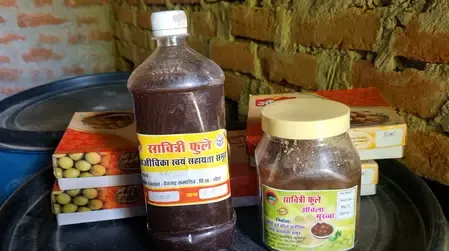
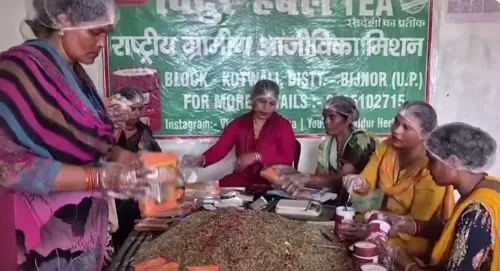
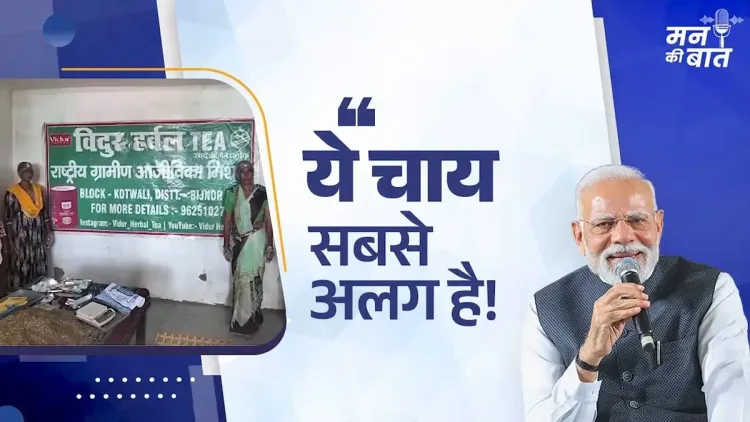
Prime Minister Narendra Modi on 26 July 2026 highlighted a self-help group of women from Bijnor, Uttar Pradesh, who have developed an indigenous herbal tea brand, calling it a new fragrance of self-reliance for rural mothers and sisters.
Key Takeaways
PM Modi on 26 July 2026 shared the story of women SHG members from Bijnor district, Uttar Pradesh , who have built an indigenous herbal tea brand.
The Prime Minister described the venture as bringing 'a new fragrance of self-reliance' into the lives of rural women.
The brand has gained consumer recognition in a short span, according to the post, owing to its distinct taste and herbal properties.
The initiative aligns with the National Rural Livelihoods Mission (NRLM) , launched in 2011 , which supports women-led SHG micro-enterprises across India.
Uttar Pradesh ranks among the states with the highest SHG formation numbers under central rural livelihood programmes.
Policy watchers will track whether state or central agencies now facilitate formal retail or e-commerce linkages to scale the Bijnor women's enterprise.
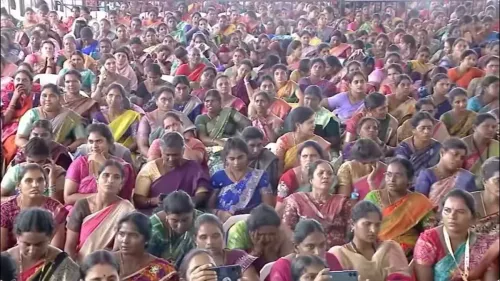
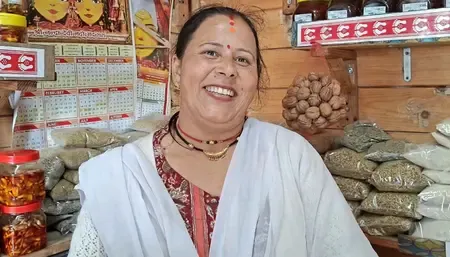
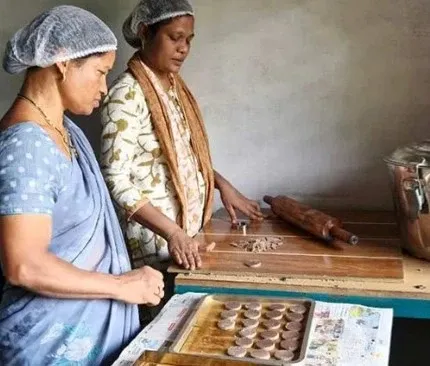
Prime Minister Narendra Modi on Sunday, 26 July 2026 spotlighted a women-led self-help group initiative from Bijnor district, Uttar Pradesh, where members have developed an indigenous herbal tea brand that has brought economic self-reliance to dozens of rural women. The Prime Minister shared the story on X, underscoring the transformative potential of grassroots enterprise.
In his post, PM Modi wrote (translated from Hindi): 'Mahilaon ne ek aisi swadeshi herbal tea taiyar ki hai, jisne kai maaon-behnon ke jeevan mein aatmanirbharta ki nayi khushbu ghol di hai' — 'Women have prepared an indigenous herbal tea that has infused a new fragrance of self-reliance into the lives of many mothers and sisters.' He noted that the brand has carved out a distinct identity among consumers in a short span of time, owing to its unique taste and properties.
Context
Self-help groups (SHGs) are women-led community collectives that pool savings and take up micro-enterprises as a pathway out of poverty. Bijnor, a district in western Uttar Pradesh with a predominantly rural and agrarian population, has seen a gradual rise in SHG-driven livelihood activities in recent years. The herbal tea venture represents a shift from subsistence agriculture toward value-added, market-facing products.
The Prime Minister's decision to amplify this story is part of a broader communication pattern of highlighting individual or group success stories that embody the Atmanirbhar Bharat (Self-Reliant India) vision — bringing grassroots achievements to national attention through social media.
Policy Backdrop
The SHG ecosystem in India draws on a long policy lineage. The Swarnajayanti Gram Swarozgar Yojana, introduced in 1999, was among the earliest frameworks to promote group-based lending and skill training for rural self-employment. It was subsequently subsumed and expanded under the National Rural Livelihoods Mission (NRLM), launched in 2011, which systematically organised rural women into SHGs and linked them to credit, training, and market-access support.
Uttar Pradesh has recorded among the highest SHG formation numbers in the country under the NRLM framework. State and central agencies have directed resources at quality certification, packaging, and retail linkages for SHG products in food processing, herbal goods, and handicrafts — the precise value chain in which the Bijnor herbal tea brand operates.
Stakeholders and Impact
The primary beneficiaries are the women SHG members of Bijnor whose income and social standing are directly tied to the brand's commercial success. Rural women across Uttar Pradesh who participate in similar groups may find in this example a replicable model for herbal and natural product enterprises. Consumers gain access to locally sourced, indigenous herbal blends positioned as alternatives to mass-market tea.
For policymakers, the story validates continued investment in SHG-linked value chains. It also signals potential for tie-ups with national retail platforms or e-commerce channels — a step that could significantly scale earnings for the group without requiring large capital outlay.
What's Next
Attention will now turn to whether the Uttar Pradesh government or central agencies facilitate formal market linkages — such as listing the brand on government-backed platforms like the Government e-Marketplace (GeM) or tying up with national retail chains — to sustain and scale the Bijnor women's enterprise. Broader rollout of state-level marketing support for SHG herbal products in the state remains the key policy watch-point. The Prime Minister's public endorsement could itself accelerate such institutional attention toward the group.
Point of View
The Prime Minister personalises a policy framework — NRLM and SHG-linked enterprise — that successive governments have built over two decades, lending it a human face. The choice of Uttar Pradesh, India's most electorally significant state, is unlikely to be incidental; rural women's economic participation is a recurring policy and political priority there. The post also implicitly pressures state machinery and market platforms to follow through with institutional support for such ventures, converting social-media visibility into policy momentum.
NationPress
25 Oct 2026
Frequently Asked Questions
What did PM Modi say about Bijnor women's herbal tea?
PM Modi praised self-help group women from Bijnor district in Uttar Pradesh for creating an indigenous herbal tea brand, saying it has brought a new fragrance of self-reliance into the lives of rural mothers and sisters.
Which district in UP is the herbal tea SHG from?
The self-help group behind the herbal tea brand is from Bijnor district in western Uttar Pradesh.
What is a self-help group (SHG) in India?
A self-help group is a women-led community collective that pools savings and undertakes micro-enterprises. In India, SHGs are formally supported under the National Rural Livelihoods Mission (NRLM) , launched in 2011, to promote rural women's economic self-reliance.
How does the Bijnor herbal tea story relate to Atmanirbhar Bharat?
The Bijnor women's herbal tea brand is cited as an example of the Atmanirbhar Bharat (Self-Reliant India) vision, where locally produced, indigenous goods created by grassroots collectives reduce dependence on large commercial players and generate rural income.
What government schemes support women's SHGs in Uttar Pradesh?
Key schemes include the National Rural Livelihoods Mission (NRLM) , launched in 2011, and its predecessor the Swarnajayanti Gram Swarozgar Yojana of 1999, both of which provide credit, skill training, and market-access support to women-led SHGs across states including Uttar Pradesh.