CM Mohan Yadav Watches Live as PM Modi Commissions Three Navy Ships
Synopsis
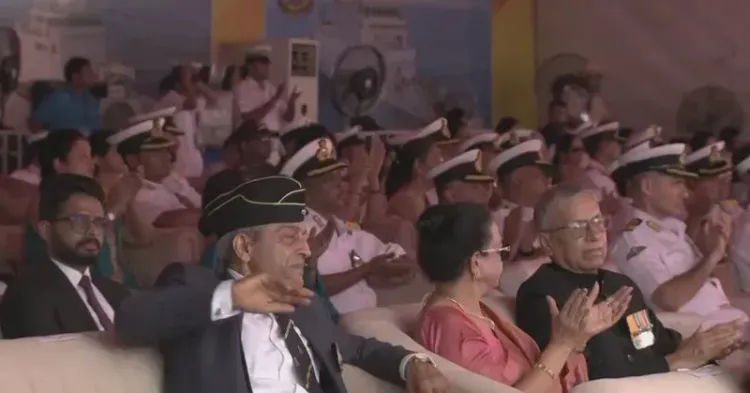
Madhya Pradesh CM Dr. Mohan Yadav watched and shared the live broadcast of PM Narendra Modi commissioning three Indian Navy vessels — INS Dunagiri, INS Sanshodhak, and INS Agray — on 21 June 2026, highlighting India's continuing push for naval fleet expansion under the Make in India framework.
Key Takeaways
PM Narendra Modi presided over the simultaneous commissioning of INS Dunagiri , INS Sanshodhak , and INS Agray into the Indian Navy on 21 June 2026 .
Madhya Pradesh CM Dr.
Mohan Yadav shared the live broadcast on X, amplifying the national defence event to his state-level audience.
The tri-commissioning ceremony aligns with India's stated goal of building a fleet of 175 warships under the Make in India defence indigenisation push.
The Make in India initiative, launched in 2014 , has made domestic warship construction a policy priority under successive Defence Procurement Procedure frameworks.
High-profile commissioning events presided over by the Prime Minister serve both operational and symbolic purposes in India's self-reliance narrative.
Parliamentary debates on the next defence budget and follow-on vessel orders are expected to be the next key milestones to watch.
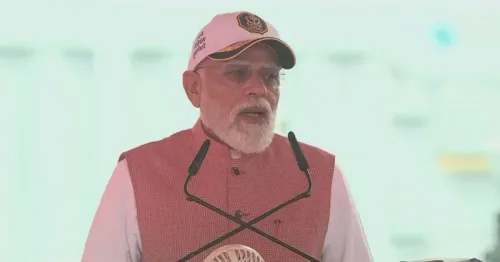
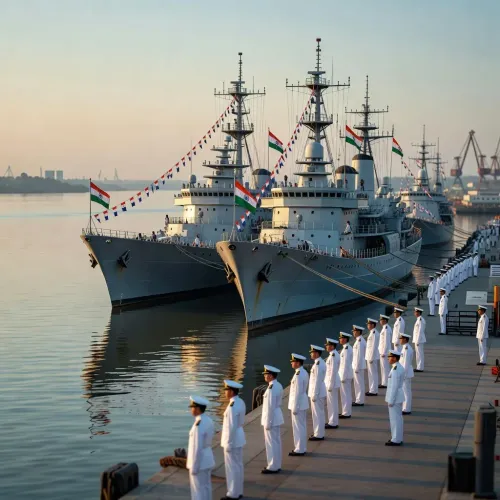
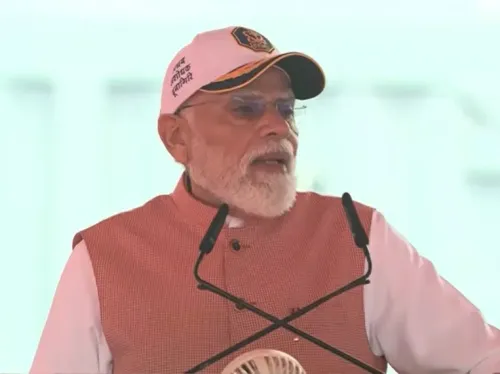
Madhya Pradesh Chief Minister Dr. Mohan Yadav on Sunday, 21 June 2026, shared a live broadcast of Prime Minister Narendra Modi presiding over the tri-commissioning ceremony of INS Dunagiri, INS Sanshodhak, and INS Agray into the Indian Navy, signalling state-level engagement with a significant national defence milestone.
In his post on X, Dr. Yadav wrote — 'LIVE: आदरणीय प्रधानमंत्री श्री @narendramodi जी द्वारा INS Dunagiri, INS Sanshodhak एवं INS Agray के त्रि-कमीशनिंग समारोह में सहभागिता' — translating to: 'LIVE: Participation of respected Prime Minister Shri Narendra Modi in the tri-commissioning ceremony of INS Dunagiri, INS Sanshodhak and INS Agray.' The Chief Minister shared a link to the live broadcast, amplifying the event's reach to his followers across Madhya Pradesh.
Context
The simultaneous commissioning of three naval vessels in a single ceremony is a notable logistical and symbolic achievement for India's defence establishment. Such tri-commissioning events are rare and are typically organised to underscore momentum in fleet expansion. Prime Minister Modi has presided over several Indian Navy induction ceremonies in recent years, each framed as a demonstration of the country's growing maritime self-reliance.
Dr. Mohan Yadav's decision to broadcast his live viewership of the event reflects a broader BJP practice of state leaders publicly aligning with central government defence milestones, reinforcing a unified national narrative around security and indigenisation.
Policy Backdrop
The induction of new warships sits squarely within the Make in India initiative, launched in 2014, which prioritised domestic warship construction under successive Defence Procurement Procedure frameworks. India has set a stated force-level goal of 175 warships, and the phased induction of indigenous platforms forms the backbone of that target.
Defence shipyards across India have been tasked with accelerating delivery timelines to meet fleet expansion goals. High-profile commissioning ceremonies, especially those presided over by the Prime Minister, serve a dual purpose: formally inducting vessels into service and publicly marking progress on the self-reliance agenda in defence manufacturing.
Stakeholders and Impact
The Indian Navy is the primary stakeholder, as each new vessel adds to its operational capacity across maritime domains — from surface warfare to hydrographic survey and patrol functions. Defence shipyard workers, naval personnel, and the broader defence-industrial ecosystem stand to benefit from the continued pipeline of orders and commissionings.
For Madhya Pradesh, the post carries symbolic weight: Chief Minister Yadav's public engagement with a national defence event positions the state's leadership as invested in India's security architecture, even as the ships themselves are naval assets with no direct geographic link to the landlocked state.
What's Next
Attention will now turn to parliamentary debates on the next defence budget and any government announcements on follow-on orders for vessels of similar class. The Navy's force-level roadmap will also be watched for updates on whether the current pace of inductions is sufficient to meet the 175-warship target within the planned timeline. Commissioning ceremonies of this scale often precede formal statements on future procurement, making the weeks ahead significant for defence policy watchers.
Point of View
INS Sanshodhak, and INS Agray represents a carefully choreographed moment in India's long-running defence indigenisation narrative, with the Prime Minister's direct presence lending it maximum political and symbolic weight. CM Mohan Yadav's live amplification of the event is consistent with a broader BJP pattern of state leaders publicly endorsing central government milestones in security and manufacturing, reinforcing party-wide messaging on national strength. The ceremony arrives at a moment when India's naval expansion roadmap faces scrutiny over whether induction timelines are keeping pace with the ambitious 175-warship target. How the government communicates follow-on procurement plans in the weeks ahead will be a sharper test of the policy's actual momentum.
NationPress
19 Sept 2026
Frequently Asked Questions
What ships were commissioned by PM Modi on 21 June 2026?
PM Narendra Modi presided over the commissioning of three Indian Navy vessels — INS Dunagiri , INS Sanshodhak , and INS Agray — in a single tri-commissioning ceremony on 21 June 2026 .
Why did Madhya Pradesh CM Mohan Yadav post about the Navy commissioning?
CM Dr. Mohan Yadav shared a live broadcast of the event on X to publicly align with the national defence milestone, a common practice among BJP state leaders during significant central government events.
What is India's warship fleet expansion target?
India has set a stated force-level goal of 175 warships for the Indian Navy, with phased induction of indigenously built vessels forming the core of that plan.
How does the Indian Navy commissioning relate to Make in India?
New warship inductions are a key output of the Make in India initiative launched in 2014 , which prioritised domestic construction of naval vessels under the Defence Procurement Procedure framework.
What is a tri-commissioning ceremony in the Indian Navy?
A tri-commissioning ceremony is an event where three naval vessels are formally inducted into service simultaneously, which is relatively rare and is typically used to highlight accelerated progress in fleet expansion.