PM Modi Flags Off India's First Indigenous Hydrogen Train in Jind
Synopsis
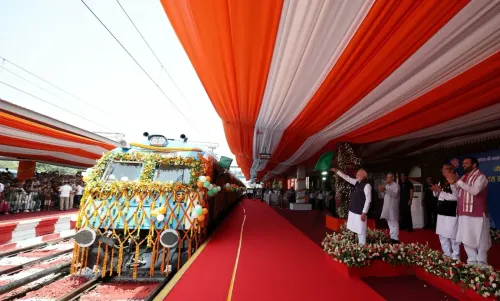
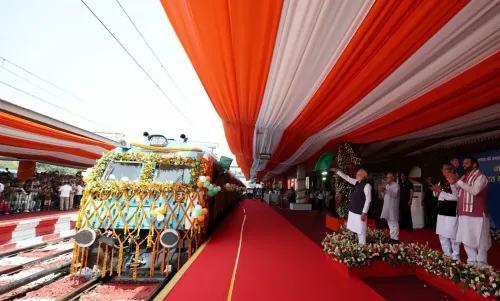
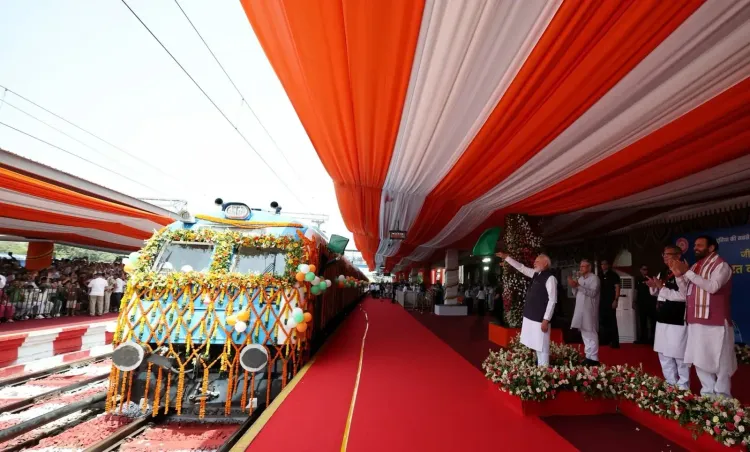
Prime Minister Narendra Modi flagged off India's first indigenous hydrogen-powered train between Jind and Sonipat in Haryana on 17 July 2026, hailing it as a symbol of Aatmanirbhar Bharat and the country's commitment to cleaner, future-ready transportation built on domestic engineering.
Key Takeaways
PM Modi flagged off India's first indigenous hydrogen-powered train on 17 July 2026 at Jind, Haryana .
The inaugural corridor runs between Jind and Sonipat , two districts in Haryana .
The train was developed entirely by Indian Railways teams, consistent with the Aatmanirbhar Bharat self-reliance policy launched in 2020 .
The project aligns with the National Green Hydrogen Mission (2023) and India's 2070 net-zero emissions target.
Hydrogen trains emit only water vapour, making them a zero-direct-emission alternative to diesel traction on non-electrified lines.
Expansion to additional routes and integration with Vande Bharat and freight corridor programmes is expected to follow the pilot.
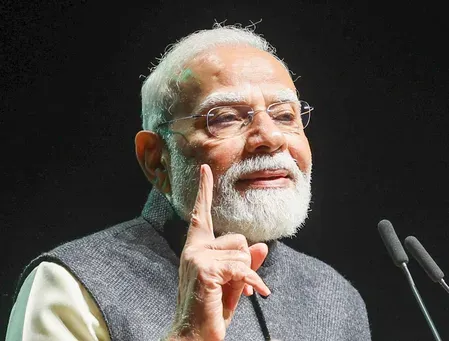
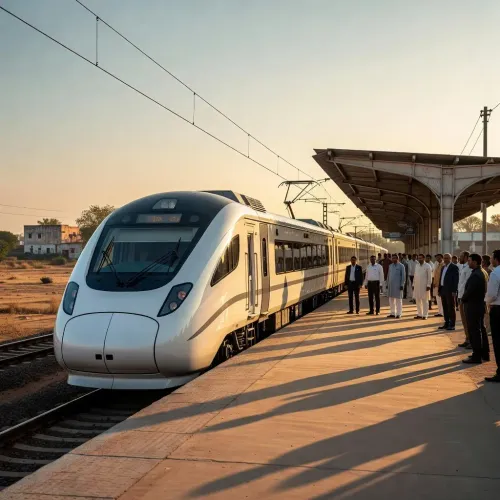
Prime Minister Narendra Modi on Friday, 17 July 2026, flagged off India's first indigenous hydrogen-powered train on the Jind–Sonipat corridor in Haryana, marking what the government describes as a landmark step in the country's push toward green mobility and self-reliant technology.
Context
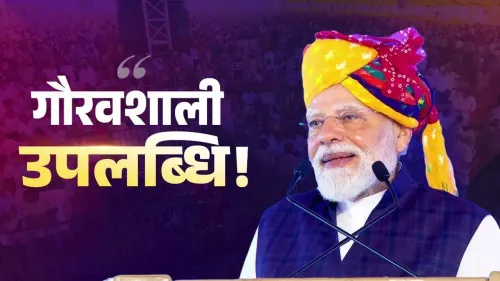
Posting on X, Prime Minister Modi called the development 'a proud symbol of Aatmanirbhar Bharat and our commitment to cleaner, future-ready transportation.' He credited the achievement to 'the ingenuity and dedication of the Indian Railways team,' underlining the domestic engineering effort behind the project.
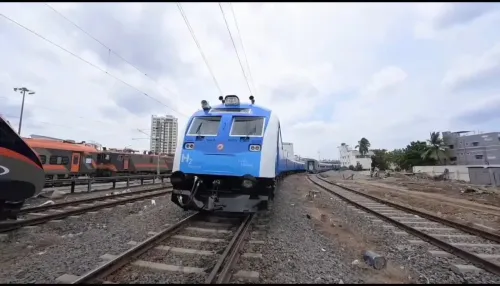
The train runs between Jind and Sonipat, two districts in Haryana, on what is now India's first operational hydrogen fuel-cell rail corridor. Unlike diesel or electric traction, hydrogen trains emit only water vapour, making them a zero-direct-emission mode of transport.
Policy Backdrop
The hydrogen train project has its roots in the 2021–22 Union Budget, which directed Indian Railways to develop fuel-cell-based rolling stock as part of the sector's decarbonisation roadmap. The initiative gained further momentum with the launch of the National Green Hydrogen Mission in 2023, which aims to scale production and deployment of green hydrogen across transport and industry.
Indian Railways — one of the world's largest rail networks — accounts for a significant share of India's transport-sector emissions. The Aatmanirbhar Bharat framework, introduced in 2020, has pushed for indigenous design and manufacturing of rolling stock rather than reliance on imported technology, and the hydrogen train is positioned as a flagship output of that policy.
India has committed to achieving net-zero emissions by 2070, and decarbonising heavy transport — particularly rail freight and intercity passenger services — is central to meeting interim climate targets.
Stakeholders and Impact
For railway passengers on the Jind–Sonipat route, the hydrogen train represents a cleaner commuting option. More broadly, the project validates the engineering capacity of Indian Railways' in-house teams and sets a precedent for future procurement decisions across the network.
The development also carries industrial significance: a domestically built hydrogen train creates demand for local supply chains in fuel-cell components, hydrogen storage, and specialised maintenance, potentially generating skilled employment. Environmental advocates have long urged the railways to accelerate its shift away from diesel traction, particularly on non-electrified branch lines where hydrogen could serve as a viable alternative.
What's Next
Policymakers and railway officials are expected to monitor the Jind–Sonipat pilot closely, with performance data on range, refuelling time, and passenger capacity likely to determine the pace of expansion to additional routes. The project is also expected to intersect with ongoing programmes such as the Dedicated Freight Corridor and the Vande Bharat rolling-stock initiative as Indian Railways maps out its next generation of services.
Parliamentary budget allocations in forthcoming sessions will be a key indicator of how aggressively the government intends to scale hydrogen rail beyond the inaugural corridor, and whether production facilities for green hydrogen will be co-located near future train depots.
Point of View
Photogenic output at the intersection of its two dominant policy narratives: climate action and domestic manufacturing. Coming after years of announcements rooted in the 2021–22 Budget and the National Green Hydrogen Mission, the launch signals that at least one strand of India's green transport agenda has moved from blueprint to track. However, the real test will be whether the pilot scales: a single corridor in Haryana is a proof of concept, not a systemic shift, and the pace of budget allocation and route expansion will determine whether this becomes a genuine decarbonisation lever or remains a flagship showcase. The project also quietly repositions Indian Railways as a technology developer rather than just an operator — a reputational shift with long-term procurement and export implications.
NationPress
15 Oct 2026
Frequently Asked Questions
What is India's first hydrogen-powered train and where does it run?
India's first indigenous hydrogen-powered train was flagged off by PM Modi on 17 July 2026 and runs between Jind and Sonipat in Haryana . It uses hydrogen fuel-cell technology developed by Indian Railways and emits only water vapour during operation.
What is Aatmanirbhar Bharat and how does the hydrogen train relate to it?
Aatmanirbhar Bharat is India's self-reliance policy launched in 2020 to promote indigenous manufacturing and technology. The hydrogen train is a direct output of this initiative, having been designed and built domestically by Indian Railways rather than sourced from foreign manufacturers.
What is the National Green Hydrogen Mission?
The National Green Hydrogen Mission was launched in 2023 to scale up production and use of green hydrogen across India's transport and industrial sectors. The Jind–Sonipat hydrogen train is one of the early transport-sector outcomes of this mission.
How does a hydrogen train work and is it environment-friendly?
A hydrogen train uses fuel cells that combine hydrogen and oxygen to generate electricity, powering the train's motors. The only byproduct is water vapour, making it a zero-direct-emission alternative — particularly valuable on rail lines that are not yet electrified.
Will India expand hydrogen train services to more routes?
The Jind–Sonipat route is a pilot corridor. Performance data from this service is expected to guide decisions on expanding hydrogen trains to additional routes, with future integration into broader Indian Railways programmes anticipated in coming budget cycles.