PM Modi Hails Tripura's Surja Kumar Debbarma for Chongpreng Revival

Synopsis
Prime Minister Narendra Modi used his Mann Ki Baat platform on 26 July 2026 to commend Surja Kumar Debbarma of Tripura for popularising the Chongpreng, calling it a testament to the enduring vibrancy of India's musical traditions.
Key Takeaways
Prime Minister Narendra Modi praised Surja Kumar Debbarma of Tripura on 26 July 2026 via his Mann Ki Baat programme.
The recognition centred on Debbarma's efforts to popularise the Chongpreng , a traditional tribal musical instrument from Tripura .
Mann Ki Baat has been broadcast monthly since October 2014 and regularly spotlights grassroots cultural contributors.
Modi described the work as 'commendable' and said it shows how 'musical traditions have remained vibrant for several years.' The mention is part of a consistent pattern of using Mann Ki Baat to highlight indigenous folk arts from Northeast India .
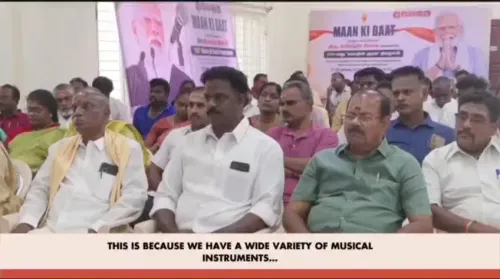
Prime Minister Narendra Modi on Sunday, 26 July 2026, praised Shri Surja Kumar Debbarma of Tripura for his work in popularising the Chongpreng, a traditional musical instrument, highlighting the feat during his monthly radio programme Mann Ki Baat.
Context
Taking to X, Prime Minister Modi wrote: 'The work of Shri Surja Kumar Debbarma Ji from Tripura in popularising the Chongpreng is commendable. And, it highlights how our musical traditions have remained vibrant for several years.' The post was accompanied by a video shared under the #MannKiBaat hashtag.
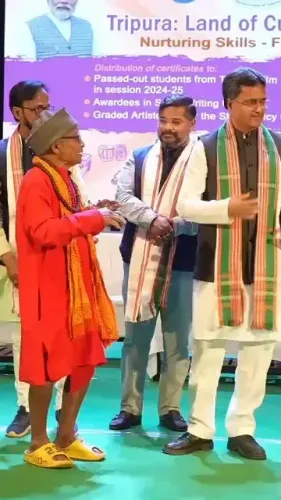
The Chongpreng is a traditional instrument rooted in the folk music heritage of Tripura, a northeastern Indian state home to significant tribal communities with distinct and centuries-old musical traditions. Surja Kumar Debbarma has been noted in public discussions for sustained efforts to keep this instrument alive and accessible.
Policy Backdrop
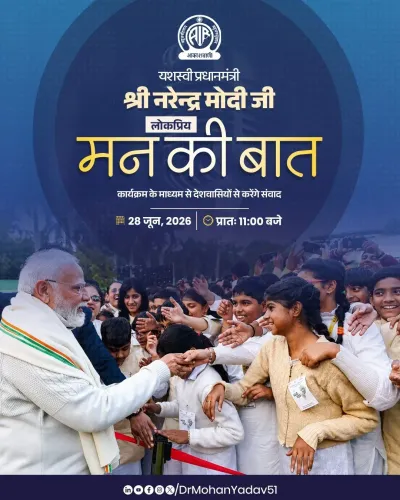
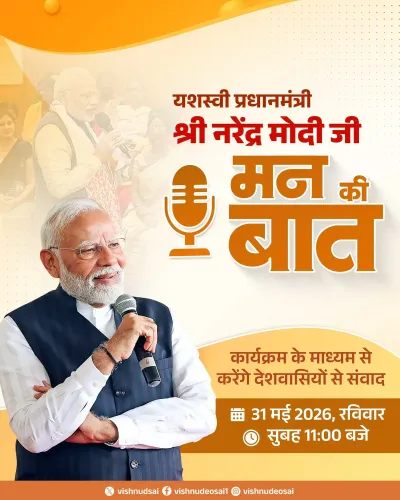
Mann Ki Baat is a monthly radio programme that Prime Minister Modi has hosted since October 2014. The programme has consistently served as a platform to spotlight grassroots contributors — artists, innovators, and social workers — whose efforts might otherwise go unnoticed at the national level.
Over the years, Modi has repeatedly used Mann Ki Baat to recognise individuals preserving regional folk arts, particularly from tribal communities across Northeast India. This forms part of a broader pattern of framing indigenous cultural practices as living elements of national heritage rather than museum artefacts.
Stakeholders and Impact
The recognition directly elevates Surja Kumar Debbarma and, by extension, the community of tribal musicians and folk artists in Tripura. A mention on Mann Ki Baat — which commands a vast national radio audience — can translate into renewed public interest, institutional support, and cultural tourism attention for the instrument and its practitioners.
Broader northeastern cultural groups stand to benefit as the spotlight on the Chongpreng reinforces the cultural distinctiveness of the region within the national conversation. For tribal artists across states such as Tripura, Manipur, and Nagaland, such recognition signals that indigenous instruments are valued at the highest levels of government.
What's Next
Future editions of Mann Ki Baat are likely to continue featuring similar stories of cultural preservation from across India's diverse regions. State-level cultural bodies and the Sangeet Natak Akademi may take cues from such national recognition to fund documentation and promotion of instruments like the Chongpreng.
The attention could also prompt educational institutions and cultural festivals in Tripura to incorporate the instrument more prominently, ensuring that its revival extends beyond individual effort into sustained institutional practice.
Point of View
The mention carries personal endorsement weight that can mobilise both institutional and popular support for an otherwise niche instrument. This also serves a political-cultural function: reinforcing the government's outreach to the tribal communities of the Northeast, a region that has been a strategic focus for the BJP. The episode underscores how Mann Ki Baat continues to function as a soft-power instrument, converting grassroots cultural stories into nationally visible moments.
NationPress
26 Jul 2026
Frequently Asked Questions
What is the Chongpreng instrument?
The Chongpreng is a traditional musical instrument associated with the tribal folk heritage of Tripura in Northeast India. It has been played within the region's communities for generations and is considered part of the area's distinct cultural identity.
Who is Surja Kumar Debbarma?
Surja Kumar Debbarma is a resident of Tripura recognised for his efforts to promote and popularise the Chongpreng, a traditional tribal musical instrument. Prime Minister Modi praised him by name on Mann Ki Baat on 26 July 2026.
What is Mann Ki Baat?
Mann Ki Baat is a monthly radio programme hosted by Prime Minister Narendra Modi since October 2014. It is broadcast on All India Radio and is used to highlight citizen-led initiatives, cultural stories, and social efforts from across India.
Why did PM Modi mention Chongpreng on Mann Ki Baat?
PM Modi mentioned the Chongpreng to commend Surja Kumar Debbarma's work in keeping the traditional instrument alive and to highlight the enduring vibrancy of India's regional musical traditions, consistent with the programme's focus on grassroots cultural contributors.
How does Mann Ki Baat help folk artists in India?
A mention on Mann Ki Baat gives folk artists national visibility before a large radio audience, which can attract institutional funding, media attention, and public interest in their craft, often leading to greater support for the preservation of regional art forms.