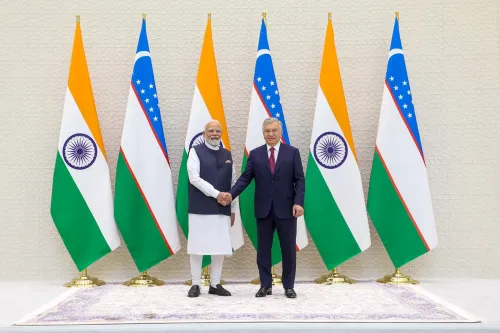
Modi-Mirziyoyev Tashkent talks: India-Uzbekistan elevated to Comprehensive Strategic Partnership
Synopsis
Modi's Tashkent visit wasn't routine diplomacy — it was a strategic reset. India and Uzbekistan elevated ties to a Comprehensive Strategic Partnership, locked in a near-finalised uranium supply deal, and confirmed UPI's rollout in Central Asia. The breadth of agreements, from critical minerals to Buddhist heritage conservation, signals India is treating Central Asia as a core foreign policy frontier.
Key Takeaways
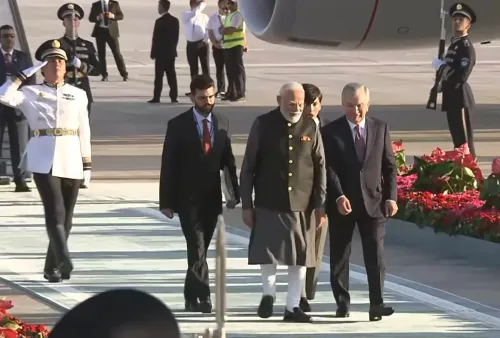
India and Uzbekistan elevated bilateral ties to a Comprehensive Strategic Partnership during PM Modi's state visit to Tashkent on 30 August .
Both sides committed to raising bilateral trade to over $5 billion by 2030 .
A long-term uranium supply agreement is reportedly close to being signed, with an MoU on mining and critical minerals already formalised.
UPI will be rolled out in Uzbekistan , expanding India's digital payments infrastructure into Central Asia.
A letter of intent was signed for conservation of ancient Buddhist sites Fayaz Tepa and Kara Tepa in Termez .
Agreements were also concluded on ayurveda , environmental protection , and diplomatic training .
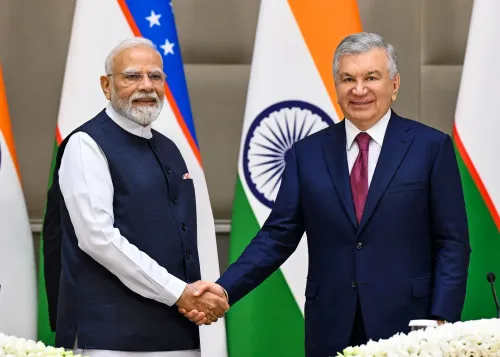
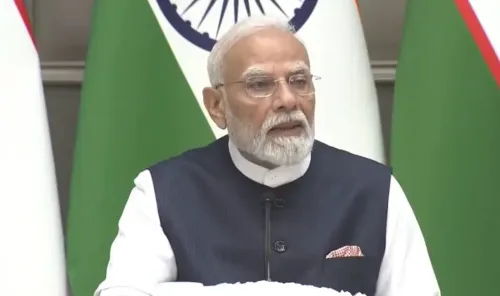
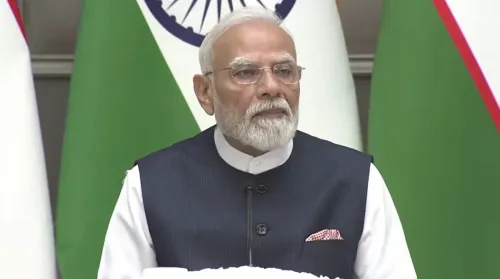
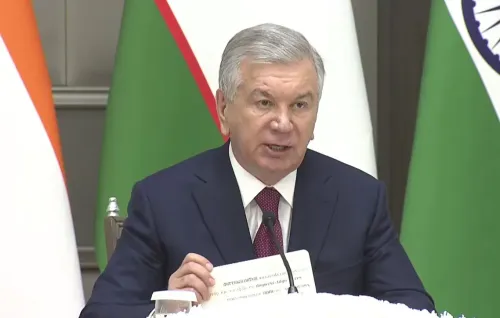
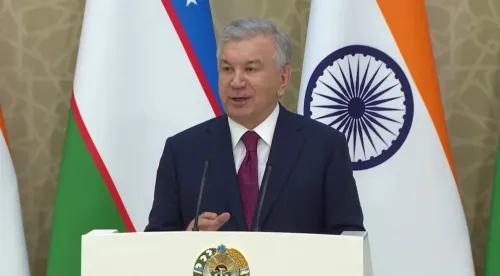
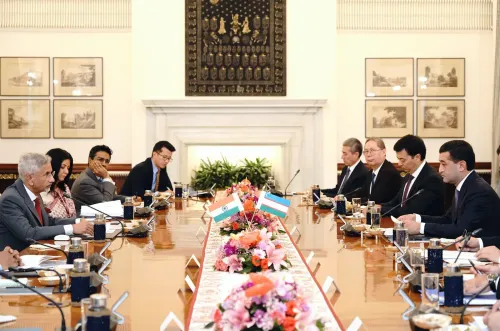
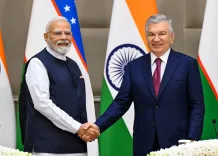
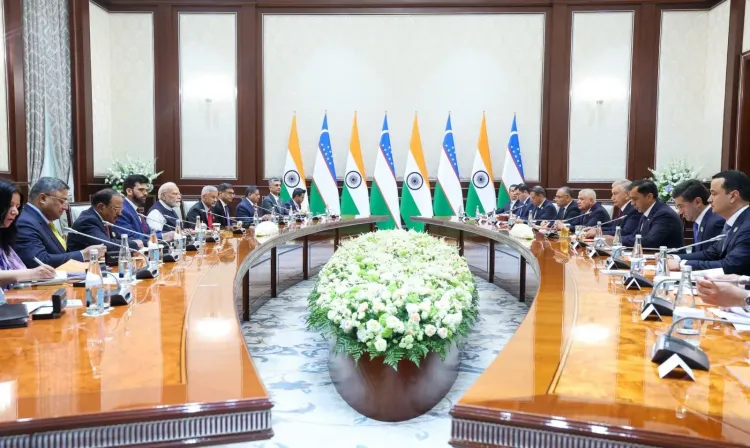
Prime Minister Narendra Modi on Sunday, 30 August outlined the key outcomes from his summit meeting with Uzbekistan President Shavkat Mirziyoyev in Tashkent, anchoring a landmark elevation of bilateral ties to a Comprehensive Strategic Partnership and setting a trade target of over $5 billion by 2030. The state visit produced a clutch of agreements spanning critical minerals, digital payments, cultural heritage, and traditional medicine.
Key Outcomes from the Summit
In a post on X, Prime Minister Modi listed the headline deliverables: upgrading the bilateral relationship to a Comprehensive Strategic Partnership, a commitment to push bilateral trade beyond $5 billion by 2030, and deepened cooperation across infrastructure, digital public infrastructure (DPI), artificial intelligence, critical minerals, energy, and space. Enhanced market access, connectivity, banking, and payments were also flagged as priority areas.
Uranium Supply and Critical Minerals Deal
One of the most strategically significant outcomes was the progress on a long-term uranium supply arrangement. Sibi George, Secretary (West) at the Ministry of External Affairs (MEA), said at a special briefing that positive discussions had taken place on a long-term uranium supply agreement and that both sides are 'close to signing an agreement very shortly.' An MoU on mining was also formalised between India's Ministry of Mines and Uzbekistan's Ministry of Mining Industry and Geology, covering cooperation in geology, mineral resources, critical minerals, and uranium supply.
UPI Expansion and Digital Ties
The rollout of India's Unified Payments Interface (UPI) in Uzbekistan was confirmed as a major digital outcome, extending the global footprint of Indian digital infrastructure and enabling seamless digital transactions between the two countries. This adds Uzbekistan to a growing list of nations integrating UPI, reinforcing India's push to internationalise its homegrown payments architecture.
Cultural Heritage and Diplomatic Cooperation
A letter of intent was signed between the MEA and the Cultural Heritage Agency of Uzbekistan for the conservation and restoration of the ancient Buddhist sites of Fayaz Tepa and Kara Tepa in Termez, Uzbekistan — a move that underscores the civilisational depth of India-Uzbekistan ties. Separately, an MoU was signed between the Sushma Swaraj Institute of Foreign Service and the Diplomatic Academy at Uzbekistan's University of World Economy and Diplomacy, aimed at building institutional diplomatic capacity on both sides.
Other Agreements Signed
The two governments also formalised an MoU on ayurveda and traditional medicine, and an agreement on environmental protection was concluded between India's Ministry of Environment, Forest and Climate Change and Uzbekistan's National Committee on Ecology and Climate Change. Taken together, the agreements span nearly every pillar of bilateral engagement — from energy security and digital trade to heritage preservation and ecological cooperation.
With the uranium deal reportedly imminent and UPI now set to go live in Uzbekistan, the Tashkent summit marks a substantive deepening of India's engagement with Central Asia at a time of heightened geopolitical flux in the region.
Point of View
And a long-term Uzbek uranium deal — if finalised — would be a meaningful hedge. The UPI expansion is strategically layered too: digital payment rails are also influence rails, and India is quietly building them across South and Central Asia. The civilisational framing — Buddhist site conservation, ayurveda cooperation — is deliberate soft power, aimed at anchoring India's presence in a region where China's Belt and Road has already laid hard infrastructure. The real test will be whether the $5 billion trade target is backed by a credible sectoral roadmap, or remains an aspirational headline.
NationPress
30 Aug 2026
Frequently Asked Questions
What is the India-Uzbekistan Comprehensive Strategic Partnership?
It is an upgraded framework for bilateral relations announced during PM Modi's state visit to Tashkent on 30 August, elevating ties from an earlier partnership level to the highest diplomatic tier. It covers trade, digital infrastructure, energy, critical minerals, space, and cultural cooperation.
What is the significance of the uranium supply deal with Uzbekistan?
Uzbekistan is one of the world's top uranium producers, and a long-term supply agreement would help diversify India's nuclear fuel sources for its expanding civil nuclear programme. According to MEA Secretary Sibi George, both sides are close to signing a formal agreement shortly.
What does the UPI rollout in Uzbekistan mean?
It means Indian and Uzbek users will be able to conduct digital transactions using India's Unified Payments Interface, extending UPI's global footprint into Central Asia. It is part of India's broader push to internationalise its homegrown digital payments infrastructure.
Which agreements were signed during the Modi-Mirziyoyev summit?
Multiple MoUs and agreements were signed, covering mining and critical minerals, ayurveda and traditional medicine, environmental protection, diplomatic training, and the conservation of ancient Buddhist heritage sites Fayaz Tepa and Kara Tepa in Termez, Uzbekistan.
What is India's trade target with Uzbekistan?
Both governments have set a target of raising bilateral trade to over $5 billion by 2030, up from current levels, with enhanced market access, connectivity, banking, and payments identified as key enablers.