PM Modi Highlights Sitamarhi's Plastic Waste-to-Bench Initiative
Synopsis
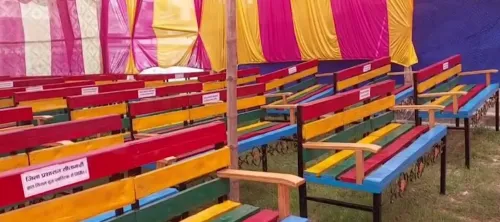
Prime Minister Narendra Modi used his Mann Ki Baat platform on 26 July 2026 to spotlight Sitamarhi, Bihar, where single-use plastic waste is being transformed into durable benches — illustrating India's circular economy push at the grassroots level.
Key Takeaways
PM Modi shared the Sitamarhi, Bihar initiative on 26 July 2026 via his Mann Ki Baat social media post.
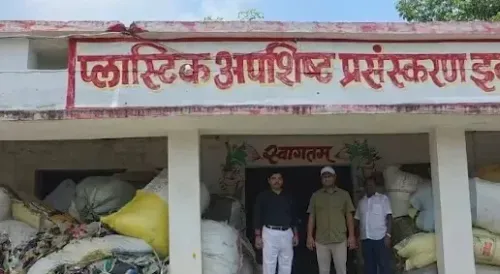
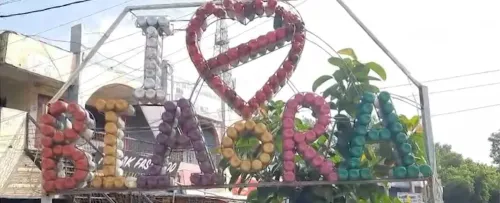
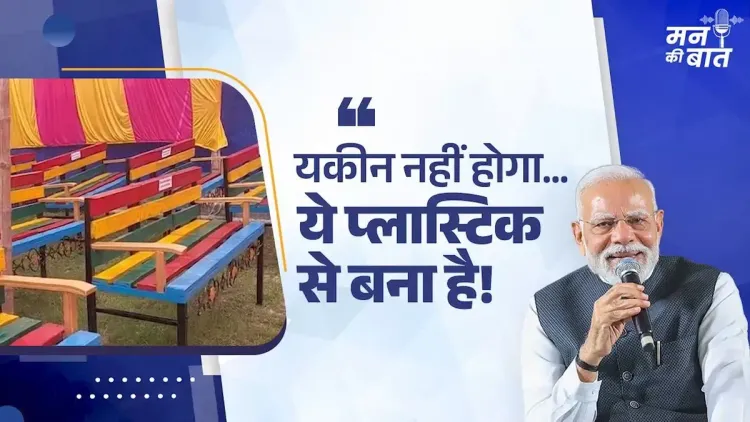
Single-use plastic waste in Sitamarhi is being converted into attractive, durable public benches under a 'Waste to Wealth' model.
The effort aligns with Plastic Waste Management Rules that banned identified single-use plastics from 2022 .
The initiative builds on the Swachh Bharat Mission (launched 2014 ) and NITI Aayog 's circular economy framework promoted since 2017 .
Mann Ki Baat , running since October 2014 , regularly amplifies grassroots environmental innovations to a national audience.
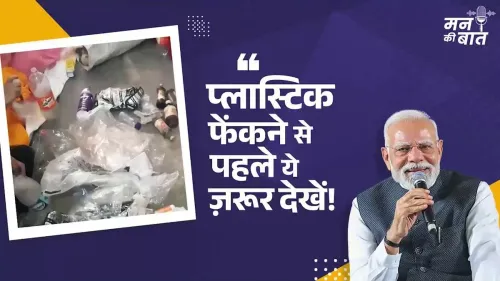
Prime Minister Narendra Modi on Sunday, 26 July 2026, spotlighted a grassroots recycling initiative in Sitamarhi, Bihar, where single-use plastic waste is being converted into attractive and durable benches — sharing the example on X as part of his monthly Mann Ki Baat radio programme.
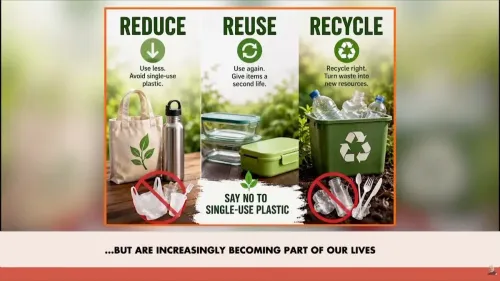
In his post, Modi wrote: 'Bihar ke Sitamarhi mein single use plastic ke kachre se aakarshak aur tikau bench banayi ja rahi hai.' ('In Sitamarhi, Bihar, attractive and durable benches are being made from single-use plastic waste.') He added that the 'Waste to Wealth' effort demonstrates that Reduce, Reuse and Recycle is no longer merely a slogan but is becoming a part of everyday life.
Context
The Sitamarhi initiative converts discarded single-use plastic — one of the most persistent forms of municipal solid waste — into functional public furniture. Such local innovations have gained visibility through Mann Ki Baat, the monthly radio programme Prime Minister Modi has hosted since October 2014, which regularly features citizen-led and community-driven stories from across India.
The programme serves as a direct channel for the Prime Minister to amplify grassroots efforts that might otherwise receive limited national attention, encouraging replication in other districts and states.
Policy Backdrop
The bench-making effort sits within a broader national policy architecture. The Swachh Bharat Mission, launched in 2014, set the foundation for improved solid waste management across urban and rural India. Plastic Waste Management Rules, first notified in 2016 and significantly strengthened in 2022, banned identified single-use plastic items, pushing municipalities and communities to find productive uses for existing plastic stockpiles.
NITI Aayog has promoted circular economy models since 2017, encouraging 'Waste to Wealth' approaches that treat discarded materials as economic inputs rather than liabilities. The Sitamarhi bench project exemplifies this principle at the local level, turning a compliance challenge — disposing of banned plastic — into a community asset.
Stakeholders and Impact
The immediate beneficiaries are Bihar residents and urban local bodies tasked with managing plastic waste under state and national rules. Durable public benches produced from recycled plastic reduce both the cost of procuring new furniture and the volume of waste entering landfills or water bodies.
India's commitments on reducing marine litter and advancing sustainable consumption give such initiatives an international dimension as well. Scaling similar projects across Bihar's other districts could meaningfully reduce the state's plastic waste burden while generating local employment in collection and fabrication.
What's Next
Attention will now turn to whether Bihar's state government and urban local bodies formalise and expand the Sitamarhi model to other districts. The national spotlight from Mann Ki Baat often acts as a catalyst, prompting state administrations to institutionalise pilot efforts. Tracking enforcement of single-use plastic rules alongside the growth of waste-to-product enterprises will indicate how deeply the circular economy is taking root at the district level.
Point of View
Reuse and Recycle as 'becoming a part of life' rather than a government directive, the messaging shifts ownership of environmental compliance from the state to the citizen. This approach complements — and arguably compensates for — the uneven enforcement of the 2022 single-use plastic ban at the ground level. The broader arc points to a continued preference for showcasing local innovation as proof of policy success, with replication left largely to organic momentum rather than structured scale-up programmes.
NationPress
27 Jul 2026
Frequently Asked Questions
What is the Sitamarhi plastic waste bench initiative?
In Sitamarhi, Bihar, single-use plastic waste is being collected and processed into attractive, durable benches — a 'Waste to Wealth' effort that repurposes discarded plastic into functional public furniture.
Why did PM Modi mention Sitamarhi in Mann Ki Baat?
PM Modi highlighted the Sitamarhi initiative on 26 July 2026 to showcase how the principles of Reduce, Reuse and Recycle are being put into practice at the community level, using Mann Ki Baat as a platform to amplify grassroots environmental innovation.
What is India's policy on single-use plastics?
India's Plastic Waste Management Rules, first notified in 2016 and amended in 2022, prohibit identified single-use plastic items. The Swachh Bharat Mission provides the broader framework for solid waste management nationwide.
What is the Waste to Wealth concept in India?
Waste to Wealth refers to circular economy approaches — promoted by NITI Aayog since 2017 — that convert discarded materials into usable or sellable products, reducing landfill burden and creating economic value from waste.
What is Mann Ki Baat?
Mann Ki Baat is a monthly radio programme hosted by Prime Minister Narendra Modi since October 2014, in which he discusses national issues and highlights citizen-led initiatives from across India.