Mandaviya: PM Modi to Virtually Inaugurate New ESIC Hospital in Surat
Synopsis
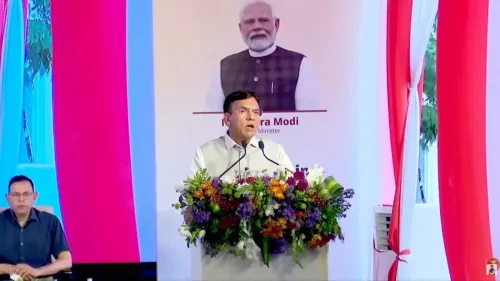
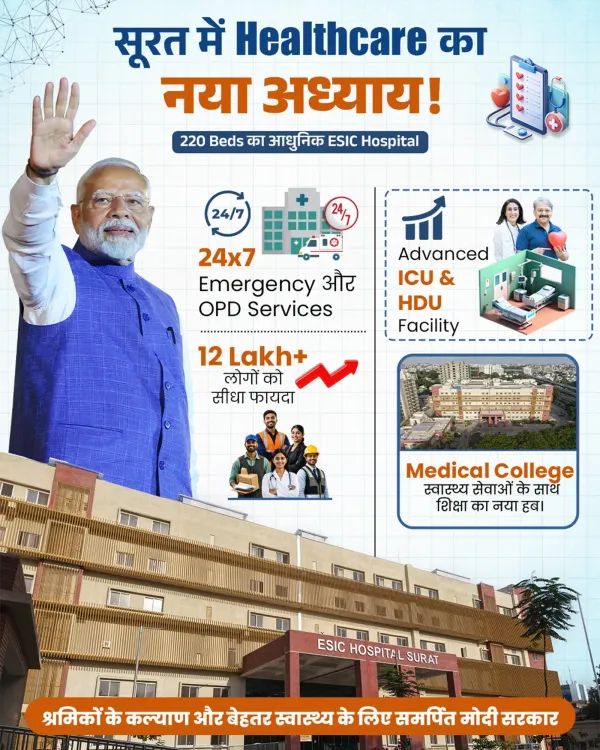
Prime Minister Narendra Modi virtually inaugurated a new ESIC hospital in Surat on June 5, 2026. Union Labour Minister Mansukh Mandaviya said the facility will provide quality healthcare to over 12 lakh insured workers and their families, strengthening the ESIC social security network in one of Gujarat's largest industrial cities.
Key Takeaways
Prime Minister Narendra Modi virtually inaugurated a new ESIC hospital in Surat on June 5, 2026 .
The facility is set to benefit more than 12 lakh (1.2 million) workers and their family members covered under the ESIC scheme.
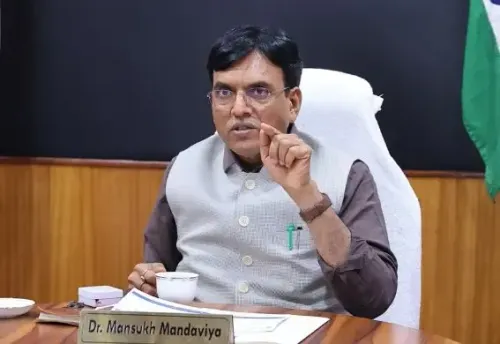
Union Labour and Sports Minister Mansukh Mandaviya made the announcement on X, describing the inauguration as a step toward 'excellent health services' for workers.
Surat is a major industrial city in Gujarat with a large workforce in textile, diamond, and manufacturing sectors enrolled under ESIC.
The Employees' State Insurance Corporation (ESIC) , established under the ESI Act of 1948 , provides contributory health and social security benefits to organised-sector employees.
The new hospital is part of a broader government push to expand ESIC physical infrastructure in industrial clusters across India.
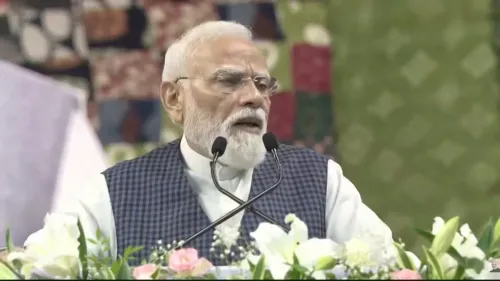
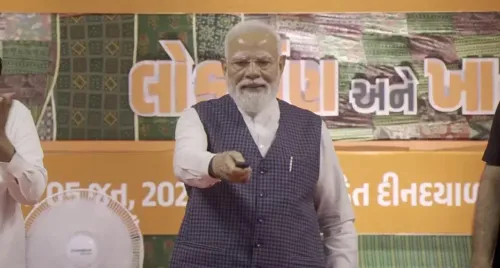
Union Labour and Sports Minister Mansukh Mandaviya announced on Friday, June 5, 2026, that Prime Minister Narendra Modi will virtually inaugurate a new ESIC hospital in Surat, promising improved healthcare access for over 12 lakh workers and their families.
Context
Minister Mandaviya posted on X in Hindi, stating: 'माननीय प्रधानमंत्री श्री नरेंद्र मोदी जी आज सूरत में नए ESIC अस्पताल का वर्चुअल माध्यम से उद्घाटन करेंगे' ['Honourable Prime Minister Shri Narendra Modi will today virtually inaugurate the new ESIC hospital in Surat']. He added that the facility will ensure 'excellent health services' for more than 12 lakh worker brothers and sisters and their family members. The inauguration was conducted through virtual means, with the Prime Minister joining remotely.
Policy Backdrop
The Employees' State Insurance Corporation (ESIC) is a statutory body under the Ministry of Labour and Employment, established by the Employees' State Insurance Act of 1948. It provides contributory health insurance — covering medical, sickness, and maternity benefits — to workers in the organised sector earning below a notified wage ceiling. Surat, a major industrial hub in Gujarat, hosts a large workforce in the textile, diamond-processing, and manufacturing sectors, a significant portion of which falls under ESIC coverage.
Successive administrations have progressively expanded ESIC infrastructure by raising the wage ceiling, adding hospitals, and setting up dispensaries in industrial clusters. The current government has placed particular emphasis on physical infrastructure creation alongside digital upgrades such as telemedicine and online claim processing for ESIC beneficiaries.
Stakeholders and Impact
The new hospital is expected to directly benefit more than 12 lakh insured workers and their dependants in and around Surat. For industrial workers — many of whom are migrant labourers employed in the city's textile and diamond industries — proximity to a dedicated ESIC facility reduces dependence on private healthcare and out-of-pocket expenditure. Families of insured workers are also entitled to medical benefits under the scheme, multiplying the effective reach of the facility.
The ESIC network functions as a critical safety net for the organised-sector workforce, and each new hospital strengthens the last-mile delivery of social security entitlements. Analysts note that expanding hospital infrastructure in industrial corridors is central to the government's broader agenda of formalising labour welfare.
What's Next
The inauguration of the Surat ESIC hospital is part of a wider pipeline of state-level ESIC infrastructure projects being rolled out across industrial clusters in India. Policymakers and labour welfare advocates will watch for potential integration of ESIC beneficiary data with the Ayushman Bharat scheme to enable seamless secondary and tertiary care referrals. Further announcements on new ESIC facilities in other high-density industrial regions are anticipated as the government pushes to deepen formal social security coverage among India's organised-sector workforce.
Point of View
Minister Mandaviya anchors the announcement in the language of scale and social equity. The move also reflects a deliberate strategy to strengthen formal social security infrastructure in dense industrial corridors, a policy arc that has seen consistent ESIC expansion over recent years. Longer term, the Surat facility could serve as a model for linking ESIC services with Ayushman Bharat, a convergence that would significantly deepen the state's healthcare reach among the organised workforce.
NationPress
20 Oct 2026
Frequently Asked Questions
What is the new ESIC hospital inaugurated in Surat?
A new Employees' State Insurance Corporation (ESIC) hospital in Surat, Gujarat, was virtually inaugurated by Prime Minister Narendra Modi on June 5, 2026. The facility is designed to provide healthcare services to over 12 lakh insured workers and their families in the region.
Who inaugurated the ESIC hospital in Surat in 2026?
Prime Minister Narendra Modi inaugurated the new ESIC hospital in Surat virtually on June 5, 2026. The announcement was made by Union Labour and Sports Minister Mansukh Mandaviya on X.
How many workers will benefit from the new ESIC hospital in Surat?
More than 12 lakh (1.2 million) workers and their family members are expected to benefit from the new ESIC hospital in Surat, according to Minister Mansukh Mandaviya.
What is ESIC and who does it cover?
ESIC, or the Employees' State Insurance Corporation, is a statutory body under the Ministry of Labour and Employment established by the ESI Act of 1948. It provides contributory medical, sickness, and maternity benefits to organised-sector employees earning below a notified wage ceiling.
Why is Surat significant for ESIC coverage?
Surat is one of India's major industrial cities, with a large workforce in textile, diamond-processing, and manufacturing industries. A significant portion of this workforce is covered under the ESIC scheme, making it a key location for expanding the corporation's healthcare infrastructure.