Modi inaugurates 220-bed ESIC Hospital in Surat, 12 lakh beneficiaries to gain
Synopsis
A 100-bed facility quietly upgraded to a 220-bed multi-specialty hospital with a medical college attached — and every surgery, from cataracts to complex implants, free of charge. Modi's Surat visit put ₹18,800 crore on the table, but for 12 lakh informal-sector workers, the ESIC hospital may be the most consequential piece.
Key Takeaways
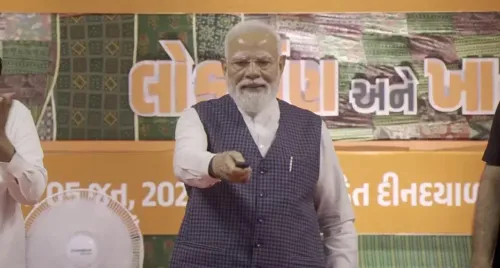
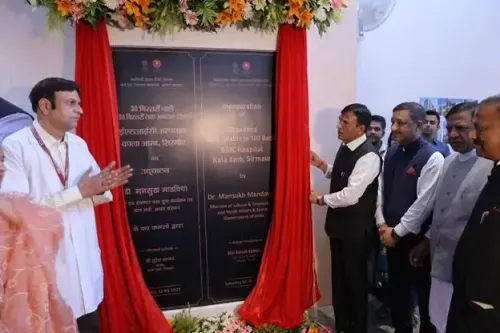
PM Narendra Modi inaugurated the 220-bedded ESIC Hospital in Surat on 5 June , part of projects worth ₹18,800 crore .
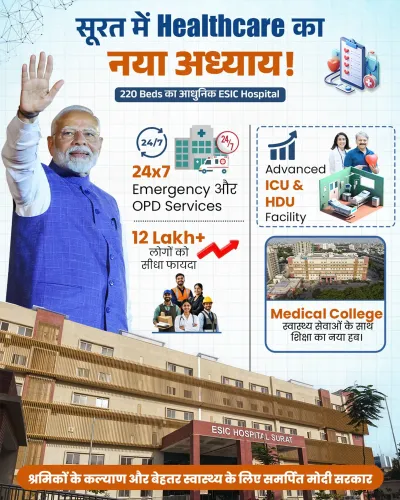
The hospital will serve approximately 3.2 lakh insured persons and 12.16 lakh beneficiaries in the region.
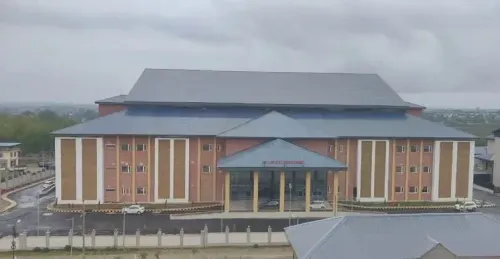
The facility was upgraded from a 100-bed unit to a 220-bed multi-specialty and referral hospital on an 8.6-acre campus .
All services — including complex surgeries, cataract operations, and implantations — will be provided free of cost .
An ESIC Medical College has been added to the complex, with special admission provisions for workers' children.
Advanced services including CT scans, MRI, ICU, and ultrasound are set to be launched in subsequent phases.
Prime Minister Narendra Modi on Friday, 5 June inaugurated and laid the foundation stone of multiple development projects worth approximately ₹18,800 crore in Surat, Gujarat. Among the flagship projects was the newly upgraded 220-bedded Employees' State Insurance Corporation (ESIC) Hospital, which is set to serve nearly 3.2 lakh insured persons and around 12.16 lakh beneficiaries across the region.
From 100 Beds to a Multi-Specialty Hub
The ESIC Hospital, spread across an 8.6-acre campus, was originally a 100-bed facility. It has now been upgraded into a 220-bed multi-specialty and referral hospital equipped with modern amenities. A medical college has also been added to the complex, broadening its role beyond patient care to medical education.
According to hospital management, OPD and emergency services will be launched in the initial phase, with departments including General Medicine, General Surgery, Orthopaedics, Paediatrics, Gynaecology and Obstetrics, ENT, and Ophthalmology becoming operational in subsequent phases. Advanced facilities such as CT scans, MRI, advanced ultrasound, and ICU services are also slated for launch shortly.
Free Services for Workers and Families
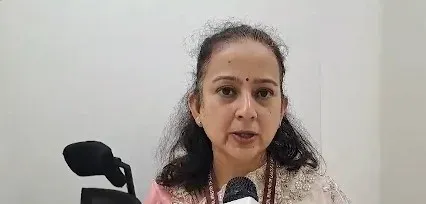
Bindi Bhatiyani, Dean of the ESIC Hospital, stated that the institution will provide a wide range of services and medicines to patients free of cost. 'Expensive medical procedures — ranging from cataract surgeries to complex surgeries and implantations will be performed free of charge,' she said.
Bhatiyani also noted that special provisions have been made for workers' children to gain admission to the ESIC Medical College, offering improved pathways into medical education for families from the labour community.
Who Benefits
Vikalp Shastri, Medical Superintendent of the ESIC Hospital, said the new facility will enable workers from the construction and associated sectors, along with their families, to access comprehensive healthcare services. The hospital's mandate covers workers in the unorganised sector — a segment that has historically faced significant gaps in formal healthcare access.
This comes amid the Centre's broader push to strengthen the ESI healthcare network across industrial corridors. Surat, one of India's fastest-growing textile and diamond-trading hubs, has a large migrant and informal workforce, making the hospital's reach particularly significant.
Part of a Larger ₹18,800 Crore Investment Push
The hospital inauguration was part of a wider set of infrastructure projects worth around ₹18,800 crore that Modi launched in Surat on the same day. This marks one of the largest single-day infrastructure investment programmes the city has seen in recent years, spanning multiple sectors beyond healthcare.
With secondary and tertiary care services also planned, the hospital is expected to reduce the burden on public hospitals in South Gujarat and emerge as a central healthcare institution for working-class families in the region.
Point of View
But the real test lies in sustained staffing and operational capacity — not inauguration-day announcements. India's ESI network has historically struggled with doctor shortages and infrastructure gaps in tier-2 cities. Adding a medical college to the complex is a structurally sound move, yet the pipeline from college enrolment to hospital deployment takes years. The ₹18,800 crore investment headline is significant, but without phased timelines and accountability metrics for the healthcare component, the gap between announced capacity and actual service delivery remains a legitimate concern.
NationPress
20 Oct 2026
Frequently Asked Questions
What is the ESIC Hospital inaugurated by PM Modi in Surat?
It is a 220-bedded multi-specialty and referral hospital run by the Employees' State Insurance Corporation (ESIC), inaugurated by Prime Minister Narendra Modi on 5 June in Surat, Gujarat. The facility was upgraded from a 100-bed unit and includes a newly added medical college.
Who will benefit from the new ESIC Hospital in Surat?
The hospital is designed to serve approximately 3.2 lakh insured persons and around 12.16 lakh beneficiaries in the region, primarily workers from the construction and associated unorganised sectors along with their families.
Are the services at the Surat ESIC Hospital free of charge?
Yes, according to the hospital's Dean, all services including medicines, cataract surgeries, complex surgeries, and implantations will be provided free of cost to eligible patients.
What medical services will the ESIC Hospital in Surat offer?
In the initial phase, OPD and emergency services will be launched. Subsequently, departments including General Medicine, General Surgery, Orthopaedics, Paediatrics, Gynaecology, ENT, and Ophthalmology will become operational. Advanced facilities such as CT scans, MRI, ICU, and ultrasound are also planned.
What was the total value of projects inaugurated by PM Modi in Surat?
Prime Minister Modi inaugurated and laid the foundation stone of multiple development projects worth approximately ₹18,800 crore in Surat on 5 June, of which the ESIC Hospital was a flagship component.