PM Modi Shares Heat Exhaustion Warning Signs, First Aid Tips
Synopsis
Prime Minister Narendra Modi on 27 May 2026 issued a public heat safety advisory listing warning signs of heat exhaustion — dizziness, nausea, fatigue, headache — and urging citizens to move affected persons to cool, shaded areas and provide water or ORS, with special attention to children.
Key Takeaways
PM Modi issued a heat exhaustion advisory on 27 May 2026 via social media, reaching millions of citizens directly.
Warning signs listed include dizziness, nausea, extreme fatigue, unusual weakness, and headache .
Immediate first-aid steps recommended: move the person to a cool, shaded place and provide water or ORS .
Children were specifically identified as a vulnerable group requiring extra care during peak heat.
The National Disaster Management Authority (NDMA) has maintained national Heat Action Plan guidelines since 2016 to support state-level responses.
Outdoor workers and children remain the most at-risk populations during India's annual summer heat waves.
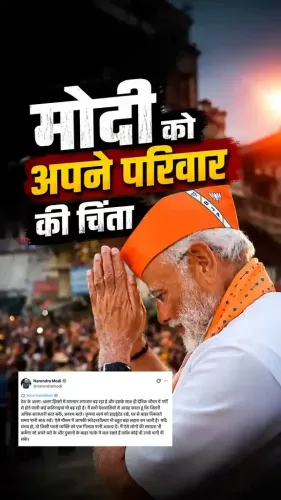
Prime Minister Narendra Modi on Wednesday, 27 May 2026 issued a public health advisory on social media urging Indians to watch for signs of heat exhaustion and take immediate action to help those affected during the ongoing summer season.
What the Advisory Says
In his post, PM Modi listed key warning signs of heat exhaustion — dizziness, nausea, extreme fatigue, unusual weakness, and headache — and urged people to act swiftly. 'If someone around you feels unusually unwell, weak or develops a headache, it is best to help move them to a cool and shaded place immediately,' he wrote. He also advised ensuring the affected person receives water, ORS (Oral Rehydration Solution), and similar fluids.
The advisory specifically flagged children as a vulnerable group, underscoring the heightened risk that summer heat poses to younger age groups and those with limited ability to self-regulate body temperature.
Context
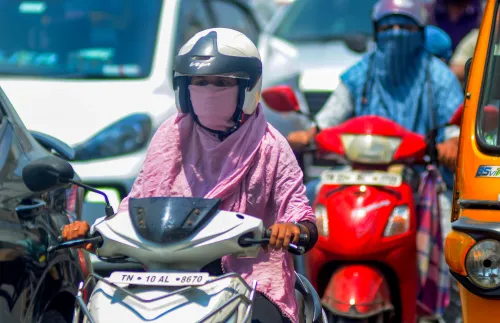
India's summer months routinely bring intense heat waves across large parts of the country, with northern, central, and western India frequently recording temperatures well above 40°C. Heat-related illnesses — ranging from heat exhaustion to the more severe heat stroke — claim lives each year, particularly among outdoor workers, the elderly, and children.
Social media posts by national leaders have become an increasingly important channel for rapid dissemination of public health guidance, reaching citizens directly alongside official alerts from meteorological and disaster management agencies.
Policy Backdrop
The National Disaster Management Authority (NDMA) released national guidelines for Heat Action Plans in 2016, providing a framework for states to reduce heat-related illnesses and deaths. Under this framework, state governments are expected to activate cooling centres, issue public advisories, and coordinate with health departments during peak summer months.
ORS, recommended by PM Modi in his post, is a low-cost, widely available rehydration solution that is a cornerstone of heat illness first aid and is stocked at government health facilities and Jan Aushadhi (generic medicine) outlets across the country.
Stakeholders and Impact
Children and outdoor workers — including construction labourers, agricultural workers, and street vendors — face the greatest exposure to heat exhaustion. These groups often lack access to shaded rest areas or cool drinking water during peak afternoon hours.
The Prime Minister's advisory, reaching tens of millions of followers directly, amplifies the message beyond what formal government circulars typically achieve, potentially prompting community-level action in neighbourhoods, schools, and workplaces.
What's Next
State governments are expected to operationalise and update their Heat Action Plans in line with NDMA guidelines as temperatures peak in the coming weeks. Meteorological forecasts for the remainder of the 2026 summer season will be closely watched by health and disaster management officials to calibrate the scale of public response.
With the Prime Minister directly engaging the public on heat safety, pressure will mount on state administrations to ensure that cooling infrastructure, ORS distribution, and community health worker outreach are adequately in place before the hottest weeks of the season arrive.
Point of View
Bypassing traditional institutional channels to reach the broadest possible audience at speed. The advisory aligns with the NDMA's long-standing Heat Action Plan framework, lending political visibility to guidance that often remains confined to government circulars. By naming children explicitly, the post signals awareness of equity dimensions in heat vulnerability — a recurring blind spot in urban heat response planning. The move is likely to prompt state governments to accelerate activation of cooling infrastructure and ORS distribution ahead of peak summer weeks.
NationPress
10 Oct 2026
Frequently Asked Questions
What are the signs of heat exhaustion PM Modi mentioned?
PM Modi listed dizziness, nausea, extreme fatigue, unusual weakness, and headache as key warning signs of heat exhaustion that people should watch for in themselves and those around them.
What should you do if someone has heat exhaustion in India?
According to PM Modi's advisory, you should immediately move the affected person to a cool, shaded place and ensure they receive water, ORS (Oral Rehydration Solution), or similar fluids to help them recover.
Why are children more at risk during heat waves?
Children have a limited ability to self-regulate body temperature and are often less able to communicate distress, making them more vulnerable to heat exhaustion and heat stroke during India's summer months.
What is India's Heat Action Plan?
India's Heat Action Plan framework was established by the National Disaster Management Authority (NDMA) in 2016. It guides state governments on setting up cooling centres, issuing public advisories, and coordinating health responses during heat waves.
What is ORS and why is it recommended during heat waves?
ORS, or Oral Rehydration Solution, is a low-cost fluid that replenishes water and electrolytes lost through sweating. It is a standard first-aid measure for heat exhaustion and is widely available at government health facilities across India.