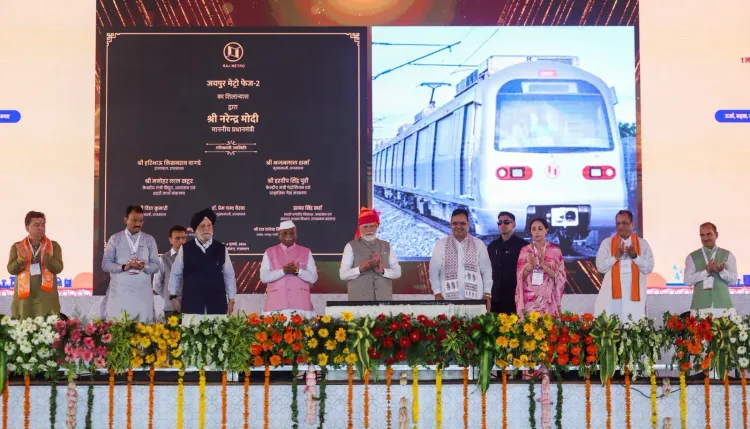
PM Modi lays foundation stone for Jaipur Metro Phase 2
Synopsis
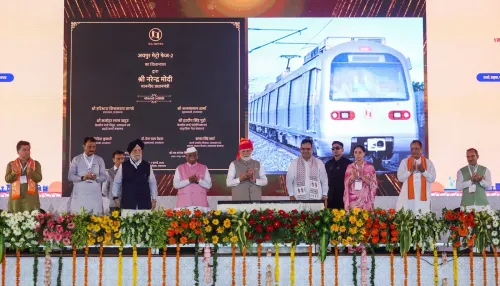
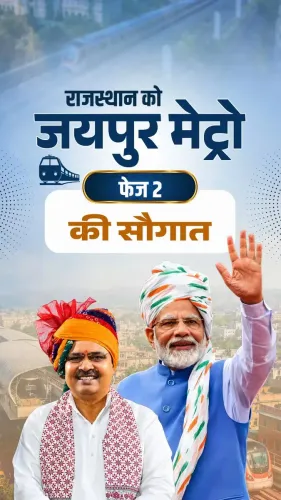
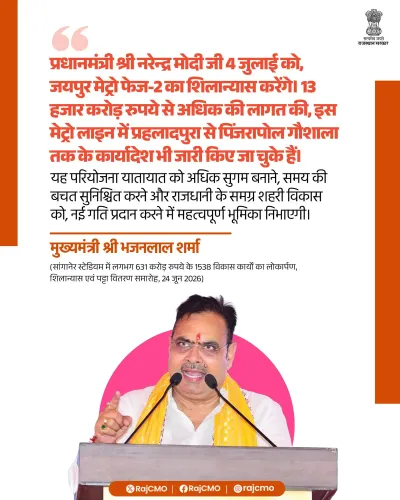
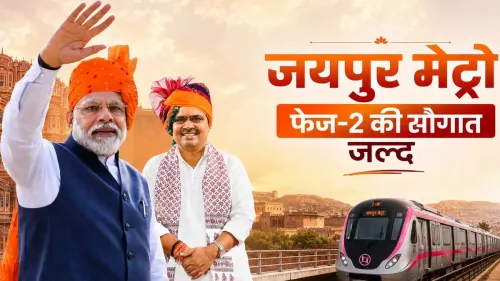
Prime Minister Narendra Modi laid the foundation stone for Jaipur Metro Phase 2 on 4 July 2026, describing the event as a key step in the government's commitment to rapid urban connectivity expansion across Indian cities.
Key Takeaways
PM Modi laid the foundation stone for Jaipur Metro Phase 2 on 4 July 2026 .
Jaipur Metro Phase 1 became operational in 2015 , covering east-west and north-south corridors in the city.
The project aligns with the Metro Rail Policy 2017 , which standardised central funding for tier-2 city metro projects.
Jaipur is a designated Smart Cities Mission city, with urban mobility upgrades as a stated priority.
The central government typically provides equity, subordinate debt, or viability gap funding for state metro projects.
Key milestones to watch include Detailed Project Report approval, land acquisition, and completion timelines for Phase 2 corridors.
Prime Minister Narendra Modi on Saturday, 4 July 2026, laid the foundation stone for Jaipur Metro Phase 2, marking a significant step in the central government's push to expand urban rail connectivity in Rajasthan's capital city.
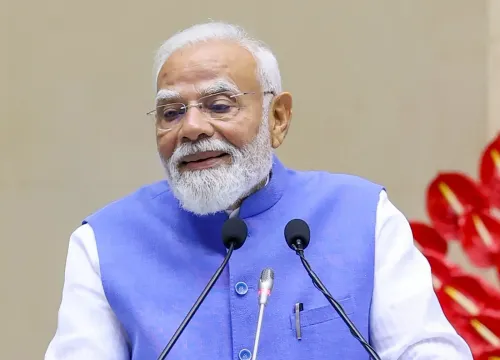
Posting on X, the Prime Minister expressed his commitment to rapid urban connectivity expansion, writing: 'शहरों में कनेक्टिविटी के तेज विस्तार के लिए हम प्रतिबद्ध हैं।' ('We are committed to the rapid expansion of connectivity in cities.') He added that he was 'very happy' to have laid the foundation stone for Jaipur Metro Phase 2 today.
Context
Jaipur, the capital of Rajasthan, has been part of India's urban mobility push for over a decade. Jaipur Metro Phase 1 became operational in 2015, introducing east-west and north-south corridors to ease traffic pressure in the heritage city. The Phase 2 foundation stone marks the next leg of that network's expansion.
Jaipur is also among the cities selected under the Smart Cities Mission, which prioritises sustainable urban mobility upgrades alongside infrastructure modernisation. The city's growing population and tourism footfall have added pressure on its road network, making metro expansion a long-discussed priority.
Policy Backdrop
The Metro Rail Policy 2017, issued by the Ministry of Housing and Urban Affairs, established a standardised framework for funding metro projects in tier-2 cities, promoting public-private partnership models and central equity support. Under this framework, the central government typically provides equity funding, subordinate debt, or viability gap funding to state-sponsored metro projects.
The Jaipur Metro Phase 2 project falls within this broader national pattern of metro rail expansion, which has seen similar projects advance in cities including Ahmedabad, Pune, and Lucknow. Successive central governments have backed such projects as tools to reduce urban congestion and promote low-emission public transport.
Stakeholders and Impact
The primary beneficiaries of Jaipur Metro Phase 2 will be the city's daily urban commuters and residents, who currently rely heavily on road-based transport. Reduced travel times, lower vehicular congestion, and improved air quality are among the anticipated outcomes of metro network expansion in a city that sees significant tourist inflows year-round.
The project is also expected to generate construction-phase employment and stimulate real-estate and commercial activity along the new corridors. For Rajasthan, the development signals continued central government investment in the state's urban infrastructure.
What's Next
Attention will now turn to the approval of the Detailed Project Report for Phase 2, land acquisition timelines, and the projected completion date for the new corridors. Stakeholders will also watch for any announcements regarding additional metro or rapid transit lines in other Rajasthan cities as the state's urban transport network continues to evolve.
The foundation stone ceremony reinforces the central government's stated commitment to expanding metro rail coverage in India's state capitals, with Jaipur now firmly on the national urban mobility map for the next phase of infrastructure investment.
Point of View
Which has used metro rail expansions as visible markers of governance delivery ahead of state and national electoral cycles. Rajasthan, a politically competitive state, gains a high-profile infrastructure commitment that both the central and state governments can claim credit for. The move also reinforces the Metro Rail Policy 2017's ambition of bringing standardised metro connectivity to India's tier-2 capitals, signalling that the policy framework is yielding ground-level outcomes. Whether Phase 2 can avoid the cost overruns and timeline slippages that have historically affected Indian metro projects will determine the long-term political dividend of this foundation stone.
NationPress
4 Jul 2026
Frequently Asked Questions
What is Jaipur Metro Phase 2?
Jaipur Metro Phase 2 is the planned expansion of the existing Jaipur Metro rail network beyond the Phase 1 corridors that became operational in 2015. PM Modi laid its foundation stone on 4 July 2026.
When did PM Modi lay the foundation stone for Jaipur Metro Phase 2?
PM Modi laid the foundation stone for Jaipur Metro Phase 2 on Saturday, 4 July 2026.
What is the current status of Jaipur Metro?
Jaipur Metro Phase 1, covering east-west and north-south corridors, has been operational since 2015. Phase 2 is now in its early development stage following the foundation stone ceremony in July 2026.
How does the central government fund metro projects in India?
Under the Metro Rail Policy 2017, the central government typically provides equity funding, subordinate debt, or viability gap funding to state-sponsored metro projects, including those in tier-2 city capitals like Jaipur.
Which other cities have seen metro expansion under India's urban transport policy?
Cities including Ahmedabad, Pune, and Lucknow have seen metro rail projects advance under India's urban transport framework, alongside Jaipur's ongoing network expansion.