PM Modi marks 12 years of Jan Dhan Yojana
Synopsis
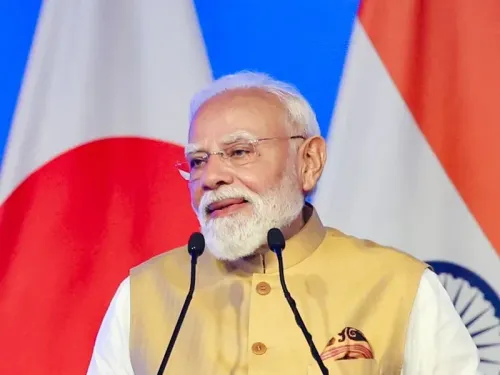
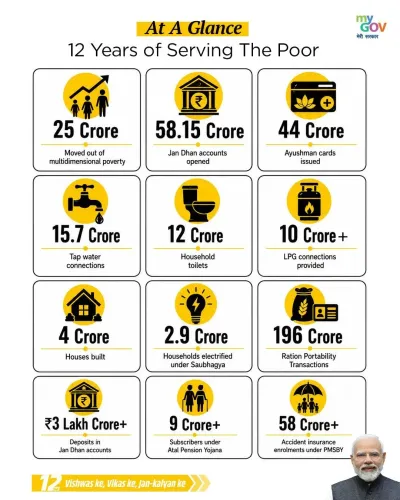
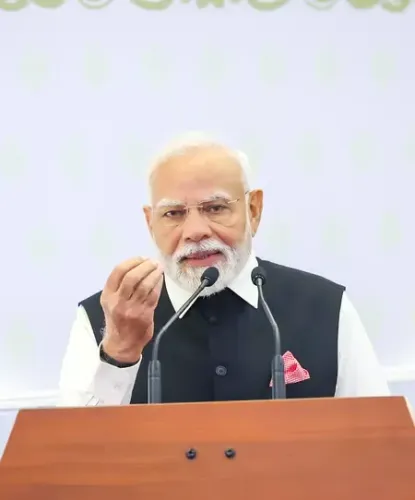
Prime Minister Narendra Modi marked the 12th anniversary of the Pradhan Mantri Jan Dhan Yojana on 28 August 2026, hailing its 'unprecedented' impact on financial inclusion for unbanked Indian households and its role as the backbone of direct benefit transfers.
Key Takeaways
Prime Minister Narendra Modi posted on 28 August 2026 to mark 12 years of the Pradhan Mantri Jan Dhan Yojana.
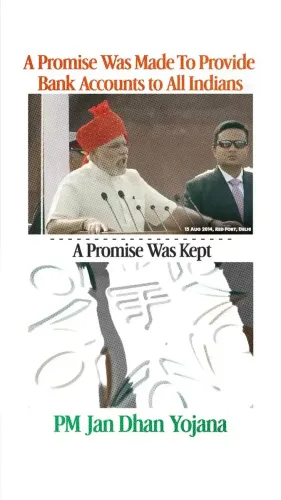
The scheme was launched on 28 August 2014 to provide bank accounts, insurance, and pensions to unbanked households.
Jan Dhan accounts are zero-balance accounts bundled with a RuPay debit card and insurance linkages.
The scheme became the primary channel for direct benefit transfers , including COVID-19 relief payments.
The government has consistently linked Jan Dhan to its broader financial inclusion and digital payments agenda across successive budgets.
Twelve years after it rewrote the rules of financial access in India, the Pradhan Mantri Jan Dhan Yojana is back in the national conversation — and Prime Minister Narendra Modi wants the country to feel the weight of that number.
Posting on 28 August 2026, exactly on the scheme's anniversary, Modi called the programme's impact 'unprecedented' and its outcomes 'transformative' — language that points to a milestone moment, not a routine update. The hashtag #12YearsOfJanDhan anchors the message squarely in the anniversary cycle the government has maintained since the scheme's launch.
The scheme that opened a billion doors
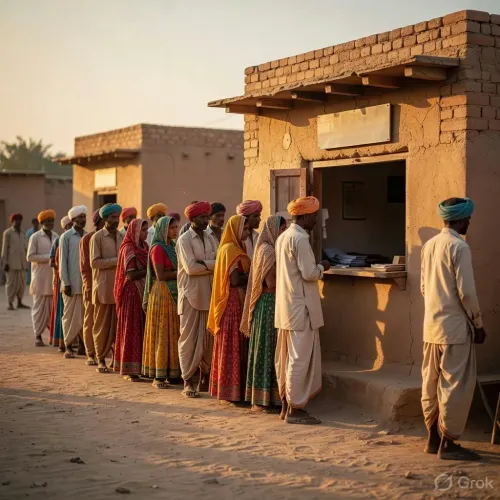
When Modi launched the Pradhan Mantri Jan Dhan Yojana on 28 August 2014, the stated mission was blunt: bring every unbanked Indian household into the formal financial system. The target was not a segment or a region — it was the entire population left outside banking's reach, concentrated heavily in rural India and among low-income households.
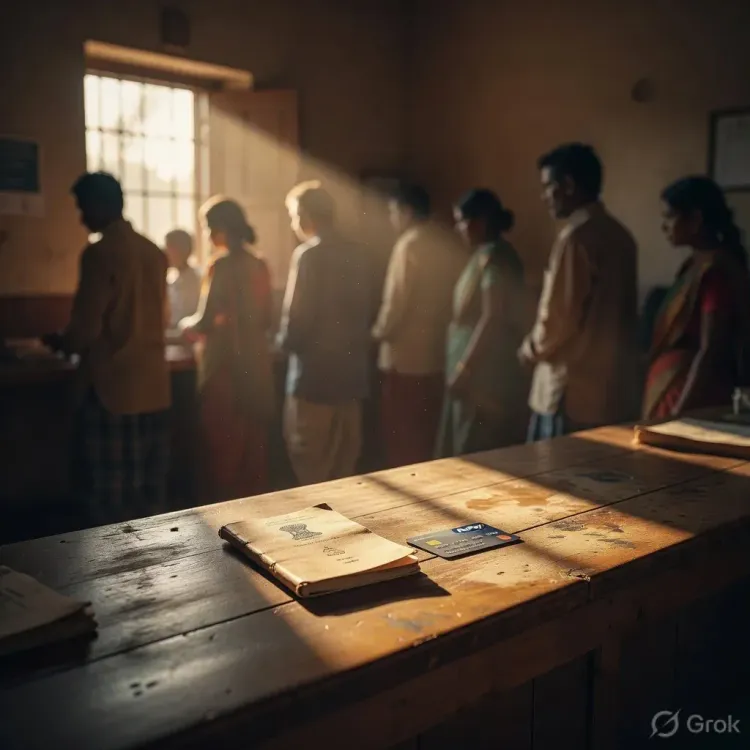
The architecture was deliberate. Jan Dhan accounts came bundled with a RuPay debit card, an overdraft facility, and linkages to life and accident insurance. The zero-balance account condition removed the single biggest barrier that had kept the rural poor out of branches for decades.
Jan Dhan as the backbone of direct benefit transfers
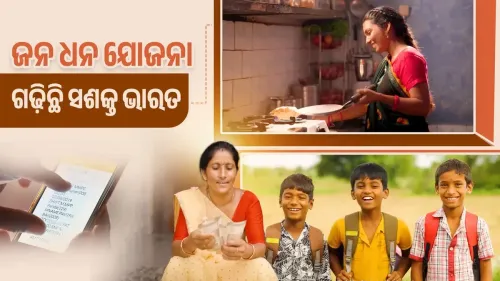
The scheme's real leverage showed up in the years that followed, as successive budgets and policy decisions wired Jan Dhan accounts directly into the government's welfare delivery machinery. Subsidies, pension payments, and emergency transfers — most visibly during the COVID-19 relief period — flowed through these accounts, cutting out intermediaries and reducing leakage. That pipeline between a government scheme and a rural bank account became the operating logic of India's direct benefit transfer system.
The broader pattern is consistent: each anniversary has served as a checkpoint for the government to restate the financial inclusion narrative and signal continued commitment to scaling coverage among low-income and rural segments. The 2026 anniversary arrives as digital payments and mobile banking have deepened the utility of accounts that, a decade ago, many held but rarely used.
Twelve years in, Jan Dhan is no longer just a scheme — it is the plumbing beneath India's welfare state. The question now is how many of those accounts are actively transacting, and how many remain dormant. That number will define the next chapter.
Point of View
Not just expanded. By framing Jan Dhan in terms of 'unprecedented scale' and 'transformative outcomes,' the messaging ties the scheme's origins to a broader arc of formalisation — banking, identity, and digital payments converging into a single infrastructure. As India's welfare state matures, the government faces pressure to move the conversation from account-opening numbers to active usage and economic mobility, a harder metric to celebrate but the one that will ultimately define the programme's depth.
NationPress
12 Oct 2026
Frequently Asked Questions
What is Jan Dhan Yojana and when was it launched?
The Pradhan Mantri Jan Dhan Yojana is India's national financial inclusion programme, launched by Prime Minister Narendra Modi on 28 August 2014 . It aims to provide bank accounts, insurance, and pension access to unbanked households, particularly in rural areas.
Why is Jan Dhan Yojana celebrating 12 years in 2026?
The scheme completed 12 years on 28 August 2026 , exactly a dozen years after its launch date. PM Modi marked the anniversary on social media, calling its impact 'unprecedented.'
How does Jan Dhan Yojana help the poor?
Jan Dhan accounts are zero-balance accounts that come with a RuPay debit card, overdraft facility, and links to life and accident insurance. They serve as the primary channel through which the government deposits direct benefit transfers, subsidies, and relief payments.
What is the connection between Jan Dhan and direct benefit transfers?
Jan Dhan accounts are the backbone of India's direct benefit transfer system. Government welfare payments — including subsidies and COVID-19 relief — are routed directly into these accounts, reducing leakage and cutting out intermediaries.
What are zero-balance accounts under Jan Dhan?
Under Jan Dhan Yojana, account holders are not required to maintain a minimum balance, removing the most common barrier that historically excluded low-income and rural households from formal banking.