PM Modi praises Punjab's Nav Trinjan in Mann Ki Baat, spotlights women weavers
Synopsis
In the 139th Mann Ki Baat, Modi turned the spotlight on Nav Trinjan — a Punjab initiative that grows chemical-free cotton and runs a weaving school that took women from daily-wage labour to producing shawls displayed before the President of India. It is a rare grassroots story where cultural revival, environmental sustainability, and women's economic independence converge in a single programme.
Key Takeaways
PM Modi highlighted the Nav Trinjan initiative of the Kheti Virasat Mission during the 139th episode of Mann Ki Baat on 25 October 2026 .
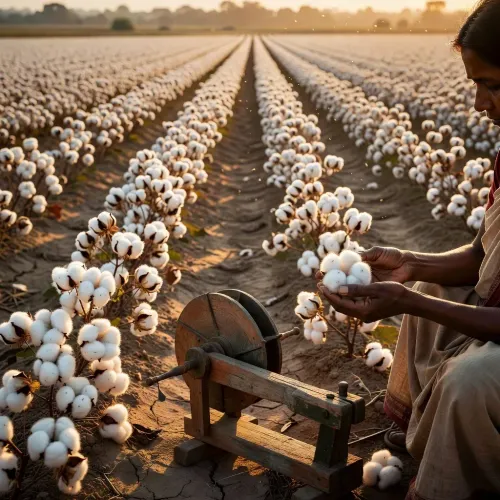
Nav Trinjan promotes organic, chemical-free cotton cultivation and natural-coloured cotton in Punjab's Malwa region to eliminate chemical dyes.
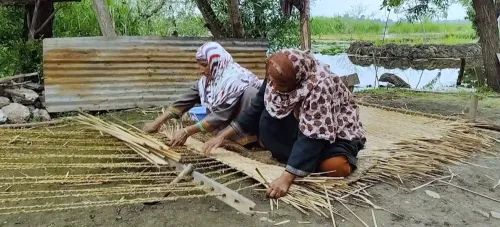
The initiative runs a weaving school that has trained women previously employed as labourers in handloom skills.
Rekha Rani , who had never seen a handloom before training, produced a shawl presented to the President of India .
Other beneficiaries include Ramandeep Kaur , Suneha Devi , and Rajini Kaur , all of whom transitioned from low-income work to skilled weaving.
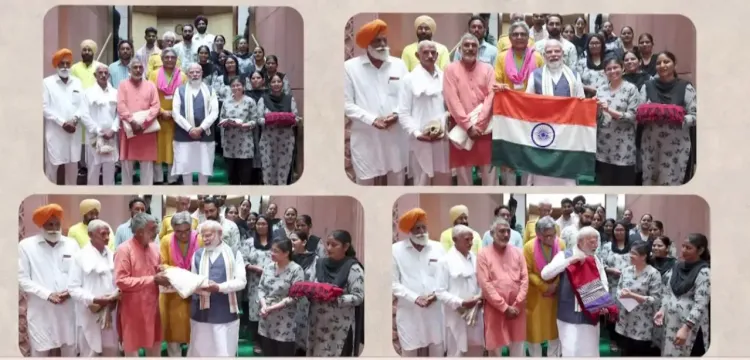
Modi personally met the Nav Trinjan team on National Handloom Day and expressed his support for their continued work.
Prime Minister Narendra Modi on Sunday, 25 October 2026, lauded the Kheti Virasat Mission's Nav Trinjan initiative in Punjab during the 139th episode of his monthly radio programme, Mann Ki Baat, highlighting how organic cotton cultivation and the revival of traditional weaving are transforming livelihoods — particularly for women — in the state's Malwa region. The Prime Minister said India's traditional skills, long rooted in its cultural identity, were now being adapted to meet contemporary needs.
What Nav Trinjan Is and How It Works
The Kheti Virasat Mission, an organisation working to revive organic farming and traditional agricultural practices in Punjab, launched Nav Trinjan to promote natural cotton cultivation in the Malwa region. Under the programme, organic cotton is grown entirely without chemical inputs. Crucially, natural-coloured cotton varieties are also cultivated, eliminating the need for chemical dyes at the yarn and fabric stage. Modi noted the dual environmental benefit: fewer pesticides in the field and fewer toxins in the textile supply chain.
'You can imagine how much this is helping the environment,' the Prime Minister said, underlining the ecological significance of the initiative.
The Weaving School and Women Whose Lives Changed
Nav Trinjan established a weaving school a few years ago with the explicit goal of transferring traditional handloom skills to a new generation. Modi highlighted four women whose trajectories illustrate what the school has delivered. Ramandeep Kaur, who previously earned her living as a daily-wage labourer, trained at the school and has since become a recognised skilled weaver. Rekha Rani had never seen a handloom before enrolling — and the shawl she eventually produced was presented to the President of India, a mark of exceptional craftsmanship. Suneha Devi, formerly employed in domestic work, now produces remarkable fabrics on a handloom. Rajini Kaur, who had relied on agricultural labour, has developed weaving skills that are helping her sustain her household more effectively.
'After training at the school, many such women are using yarn made from indigenous organic cotton to produce shawls, towels, and other textiles. These efforts are bringing greater prosperity in their lives,' Modi said.
Modi's Personal Connection to the Initiative
The Prime Minister recalled meeting the Nav Trinjan team on National Handloom Day, describing the encounter as a firsthand witness to the group's passion and dedication. 'During that interaction, I witnessed their passion and dedication for their work. I extend my heartfelt wishes to this team for their bright future,' he said.
Wider Context: Traditional Crafts as a Policy Theme
Modi's praise for Nav Trinjan fits a recurring theme in his Mann Ki Baat addresses — using the programme to surface grassroots initiatives that align with broader government priorities such as natural farming, sustainable livelihoods, and women's economic empowerment. Notably, the National Handloom Day connection signals that the Centre views handloom revival not merely as cultural preservation but as an employment and export strategy. The handloom sector employs an estimated 35 lakh weavers across India, with Punjab's phulkari and cotton traditions forming a significant regional strand. This is the 139th consecutive episode of Mann Ki Baat since it first aired in 2014, and it continues to serve as a platform for spotlighting community-level innovation.
As demand for sustainable and naturally dyed textiles grows globally, initiatives like Nav Trinjan could find both domestic and export markets — a dimension that advocates say deserves formal policy support beyond individual recognition.
Point of View
And shout-outs on radio do not substitute for credit access, market linkages, or GI tag enforcement that would let initiatives like Nav Trinjan compete in global sustainable-textile markets. The President's acceptance of a Nav Trinjan shawl is symbolically powerful, but the real test is whether such grassroots programmes receive the procurement, export, and financing support that would move them from inspiring anecdote to replicable model.
NationPress
25 Oct 2026
Frequently Asked Questions
What is the Nav Trinjan initiative in Punjab?
Nav Trinjan is a programme run by the Kheti Virasat Mission in Punjab's Malwa region that promotes organic, chemical-free cotton cultivation and revives traditional handloom weaving. It also operates a weaving school that trains women — many from labouring backgrounds — in handloom skills and helps them build sustainable livelihoods.
Why did PM Modi mention Nav Trinjan on Mann Ki Baat?
PM Modi highlighted Nav Trinjan during the 139th episode of Mann Ki Baat on 25 October 2026 as an example of traditional skills being adapted to contemporary needs, including environmental sustainability and women's economic empowerment. He has previously met the team on National Handloom Day and praised their dedication.
Who are the women whose stories PM Modi shared?
Modi cited four women trained by the Nav Trinjan weaving school: Ramandeep Kaur (former daily-wage labourer, now a skilled weaver), Rekha Rani (whose shawl was presented to the President of India), Suneha Devi (formerly in domestic work, now a handloom producer), and Rajini Kaur (previously dependent on agricultural labour).
What is the environmental significance of Nav Trinjan's approach?
Nav Trinjan grows cotton without chemical pesticides and cultivates naturally coloured cotton varieties, which eliminates the need for chemical dyes in yarn and fabric production. This reduces both agricultural and industrial chemical use, cutting the environmental footprint of the entire textile supply chain.
What is Mann Ki Baat and how often does PM Modi address it?
Mann Ki Baat is PM Modi's monthly radio programme, broadcast on All India Radio, in which he addresses citizens on grassroots initiatives, social themes, and national achievements. The episode on 25 October 2026 was its 139th, having first aired in 2014.