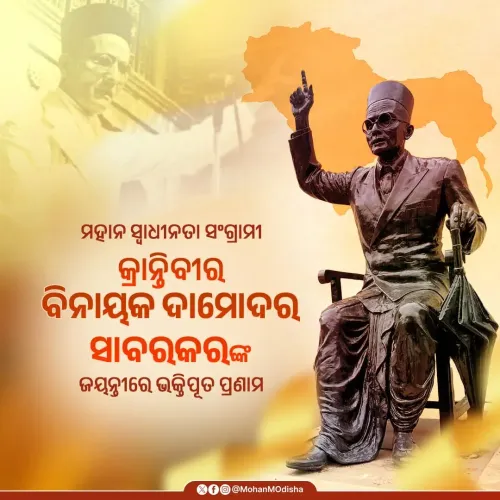
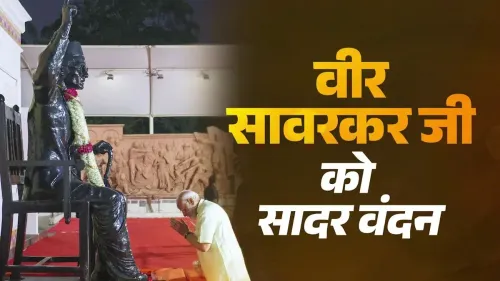
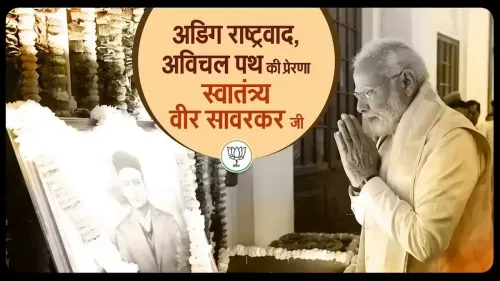
PM Modi Pays Tribute to Veer Savarkar on Birth Anniversary
Synopsis
Prime Minister Narendra Modi on 28 May 2026 honoured Veer Savarkar on his birth anniversary, praising the revolutionary freedom fighter's valour and intellect and quoting Sanskrit verse to underscore his dual identity as a man of arms and letters.
Key Takeaways
PM Modi paid tribute to Veer Savarkar on his birth anniversary, 28 May 2026 , via a post on X.
Modi described Savarkar as a 'great revolutionary and ardent nationalist thinker' whose personality will 'inspire every generation.' Vinayak Damodar Savarkar (1883–1966) spent over a decade in Cellular Jail and authored The Indian War of Independence 1857 .
The BJP-led government renamed Port Blair airport after Savarkar in 2019 and began official national-level observance of his anniversary in 2016 .
The tribute is part of a consistent BJP effort to position non-Congress independence figures at the centre of India's national memory.
State-level events and possible parliamentary references to Savarkar are expected in the coming days.
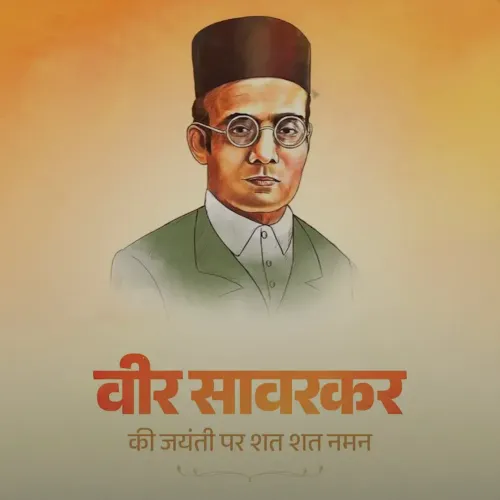
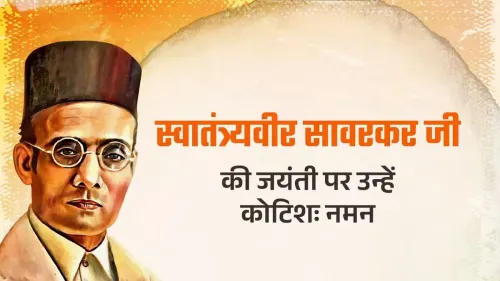
Prime Minister Narendra Modi on Thursday, 28 May 2026 paid homage to revolutionary freedom fighter and Hindutva ideologue Vinayak Damodar Savarkar on his birth anniversary, honouring him as a great revolutionary and ardent nationalist thinker.
In his post on X, PM Modi wrote in Hindi: 'Mahan krantikari aur prakhar rashtravadi chintak Veer Savarkar ji ko unki jayanti par sadar naman!' — 'Respectful salutations to the great revolutionary and ardent nationalist thinker Veer Savarkar on his birth anniversary!' He added that Savarkar's personality, filled with valour and intellect, 'will continue to inspire every generation of the country.'
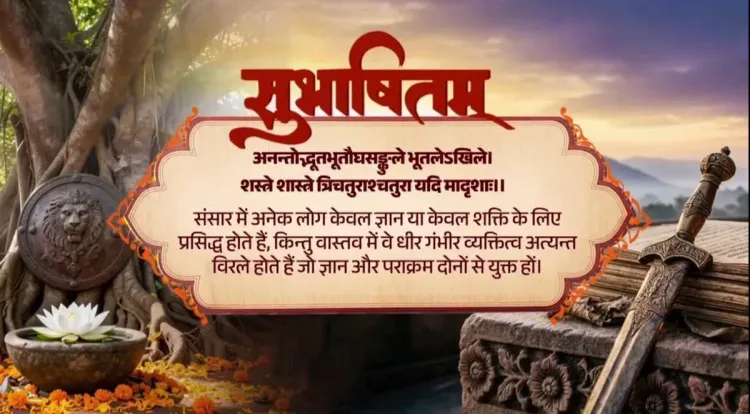
The Prime Minister also quoted two lines in Sanskrit: 'Anantodhhutabhutaughasankule bhutalakhile. Sastre sastre tricaturascatura yadi madrsah.' — broadly rendered as: 'In a world teeming with countless beings, if there were a few sharp minds in both arms and letters like him.' The Sanskrit verse underscores Savarkar's twin identity as a man of action and a man of letters.
Context
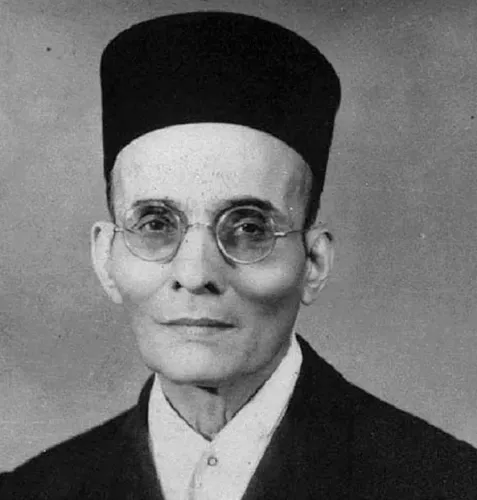
Vinayak Damodar Savarkar (1883–1966), widely known as Veer Savarkar, was a lawyer, writer, and independence activist who spent more than a decade in the Cellular Jail in the Andaman Islands — a colonial penal institution notorious for its harsh conditions. He authored The Indian War of Independence 1857, one of the earliest works to frame the 1857 uprising as a coordinated war of independence rather than a mere mutiny. Savarkar is also the foundational theorist of Hindutva, a political philosophy that has shaped modern Hindu nationalist thought.
His legacy remains contested in Indian public life: celebrated by the BJP and allied organisations as a symbol of assertive nationalism, and critiqued by others over his petitions to the British colonial government and his political philosophy. His birth anniversary, 28 May, is observed annually by nationalist groups across the country.
Policy Backdrop
The BJP-led central government has systematically elevated Savarkar's public standing over the past decade. In 2016, the government observed his birth anniversary officially at the national level for the first time. In 2019, the Port Blair airport in the Andaman and Nicobar Islands was renamed Veer Savarkar International Airport, a move that drew both praise from nationalist quarters and criticism from opposition parties.
Savarkar has also featured in revised school curricula and on commemorative postage stamps as part of a broader effort to position non-Congress independence figures as central to India's freedom struggle narrative. PM Modi has paid tribute to Savarkar on his birth anniversary consistently in previous years as well.
Stakeholders and Impact
The tribute resonates strongly with nationalist youth organisations, RSS-affiliated groups, and history educators who advocate a broader representation of independence-era figures beyond those associated with the Indian National Congress. For these constituencies, official recognition from the Prime Minister carries symbolic weight in legitimising Savarkar's place in the national pantheon.
Opposition parties and historians who hold a critical view of Savarkar's legacy are likely to reiterate their objections, particularly around his mercy petitions to the British and his role in the ideological lineage linked to communal politics. The anniversary tribute thus feeds into an ongoing national conversation about how India remembers and honours its freedom-era figures.
What's Next
State-level commemorations, cultural programmes, and possible new editions of Savarkar's writings are expected in the days following the birth anniversary. BJP-governed states may hold official events, and parliamentary references to Savarkar's contributions could surface in upcoming sessions of Parliament. The consistent elevation of Savarkar by the ruling dispensation signals that his rehabilitation in mainstream national memory will remain a live political and cultural project.
Point of View
The Prime Minister frames Savarkar as both a classical intellectual and a modern patriot, reinforcing the BJP's long-running project of constructing an alternative national pantheon. Each such tribute builds institutional memory: airports, curricula, and prime ministerial statements collectively shift the Overton window on how Savarkar is taught and remembered. The persistence of this pattern, year after year, suggests the rehabilitation of Savarkar is a settled strategic priority for the ruling dispensation rather than an occasional political gesture.
NationPress
20 Oct 2026
Frequently Asked Questions
Why does PM Modi pay tribute to Veer Savarkar every year?
PM Modi pays tribute to Veer Savarkar on his birth anniversary as part of the BJP's broader effort to honour non-Congress independence figures and position Savarkar as a central symbol of assertive Indian nationalism.
Who was Veer Savarkar?
Veer Savarkar, born Vinayak Damodar Savarkar in 1883 , was a freedom fighter, lawyer, and writer who spent over a decade in Cellular Jail and is regarded as the foundational theorist of Hindutva. He died in 1966 .
What is Veer Savarkar's birth anniversary date?
Veer Savarkar's birth anniversary falls on 28 May each year. In 2026 , PM Modi marked the occasion with a tribute post on X.
What did the BJP government do to honour Savarkar?
The BJP-led central government began officially observing Savarkar's birth anniversary at the national level in 2016 and renamed the Port Blair airport as Veer Savarkar International Airport in 2019 .
What is the Sanskrit verse PM Modi quoted for Savarkar?
PM Modi quoted the verse 'Anantodhhutabhutaughasankule bhutalakhile. Sastre sastre tricaturascatura yadi madrsah' — broadly meaning that in a world full of countless beings, few are as sharp in both arms and letters as Savarkar was.