PM Modi Shares Bhagavad Gita Verse on Duty and Action

Synopsis
Prime Minister Narendra Modi on 16 November 2026 shared a Sanskrit verse from the Bhagavad Gita's Karma Yoga chapter, underscoring the philosophical idea that no being can exist without action, as all are driven by the gunas of nature.
Key Takeaways
PM Narendra Modi posted a Sanskrit shloka from the Bhagavad Gita (Chapter 3, Verse 5) on 16 November 2026 .
The verse teaches that no person can remain inactive even for a moment, as all are compelled to act by the three gunas of nature.
The post is part of a long-standing pattern of Modi sharing classical Sanskrit texts on social media as cultural outreach.
No new policy announcement or government initiative was linked to this post.
The shloka is central to Karma Yoga — the Gita's path of selfless, dutiful action.
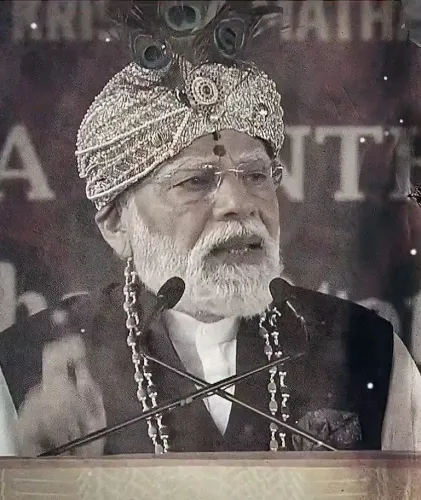
A Sanskrit verse nearly three thousand years in the making landed on Prime Minister Narendra Modi's X feed on Monday, 16 November 2026 — a reminder, in the Gita's own words, that no living being can remain even for a moment without acting.
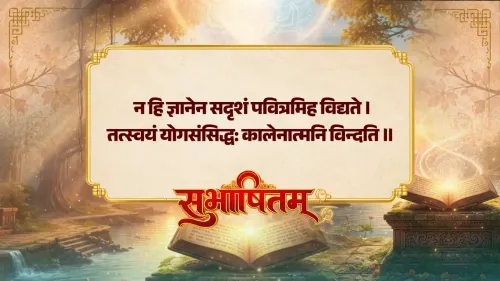
The verse, drawn from the Bhagavad Gita (Chapter 3, Verse 5), reads in translation: 'Na hi kashchit kshanam api jatu tishthaty akarmakrit' — 'Indeed, no one can ever remain, even for a moment, without performing action; for everyone is helplessly driven to act by the qualities born of nature.' The shloka is among the Gita's most cited distillations of the concept of karma — the inevitability of action as a condition of existence itself, independent of will or intention.
The verse in its classical context
In the Gita's third chapter — Karma Yoga, the path of action — the shloka sits at the core of Lord Krishna's argument to Arjuna that renunciation of action is not only impossible but illusory. The gunas referenced in the second line are the three fundamental qualities of nature in Samkhya philosophy — sattva (purity), rajas (passion), and tamas (inertia) — which together propel every being into continuous activity whether they seek it or not. The philosophical implication is radical: since inaction is never truly available, the only meaningful choice is the quality and intention behind one's acts.
Modi's pattern of Sanskrit outreach
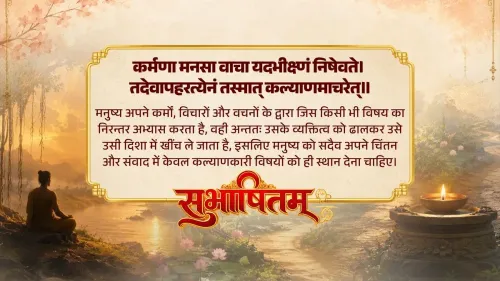
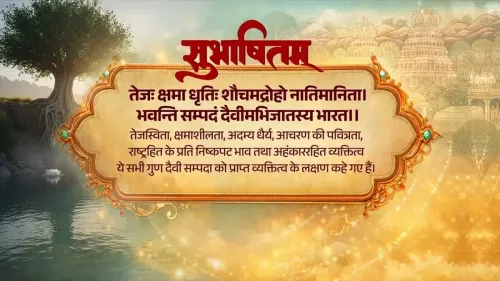
This post fits a well-established pattern in Prime Minister Modi's social media practice. He has periodically shared Sanskrit shlokas from texts including the Bhagavad Gita, using his platform to surface classical Indian thought for a contemporary, digitally connected audience. The posts carry no accompanying policy announcement and are not tied to a legislative agenda — they function instead as a form of cultural communication, asserting the continued relevance of ancient wisdom in public life. The accompanying video, details of which could not be independently verified, appears to complement the verse visually.
For millions of followers, the shloka arrives as both a philosophical nudge and a cultural marker — the Prime Minister of the world's most populous democracy pausing, mid-week, to quote a text that has shaped Indian civilisation for millennia. The Gita's counsel on action without attachment has never gone out of season.
Point of View
Shareable wisdom rather than archival heritage. By amplifying the Bhagavad Gita's argument for engaged, purposeful action, the Prime Minister subtly reinforces a governance narrative centred on duty and industry. The choice of Karma Yoga, specifically, aligns with the broader 'India at work' messaging that has characterised his public brand. It is cultural communication with a consistent ideological grain, even when no explicit policy is attached.
NationPress
16 Nov 2026
Frequently Asked Questions
Which Bhagavad Gita verse did PM Modi post on 16 November 2026?
PM Modi posted Chapter 3, Verse 5 of the Bhagavad Gita — 'Na hi kashchit kshanam api jatu tishthaty akarmakrit' — which states that no being can remain even a moment without action, as all are driven by nature's three gunas.
What does the Sanskrit shloka posted by Modi mean in English?
The verse translates as: 'Indeed, no one can ever remain, even for a moment, without performing action; for everyone is helplessly compelled to act by the qualities born of nature.'
Why does PM Modi share Sanskrit shlokas on social media?
Modi has periodically shared Sanskrit verses from texts like the Bhagavad Gita as a form of cultural outreach, highlighting themes of duty and traditional Indian thought for a contemporary digital audience.
What is Karma Yoga in the Bhagavad Gita?
Karma Yoga is the third chapter of the Bhagavad Gita and deals with the path of selfless action — the idea that one must perform one's duty without attachment to its fruits, as inaction is itself impossible.
Did Modi announce any new policy with this post?
No. The post carried no policy announcement or government initiative; it was a standalone cultural and philosophical share.