PM Modi visits Bhildi ET-IVF centre, reviews cattle biotech push
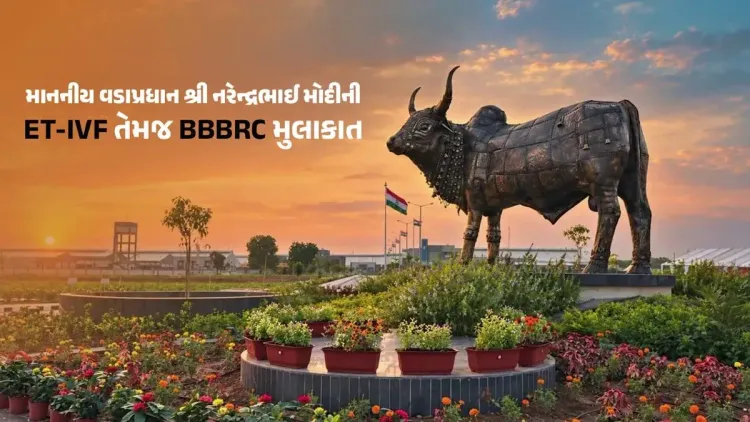
Synopsis
Prime Minister Narendra Modi visited the ET-IVF facility and Bharat Bovine Breeding and Research Centre at Bhildi, Gujarat on 30 October 2026, reviewing how embryo biotechnology is modernising India's cattle breeding sector under the Rashtriya Gokul Mission framework.
Key Takeaways
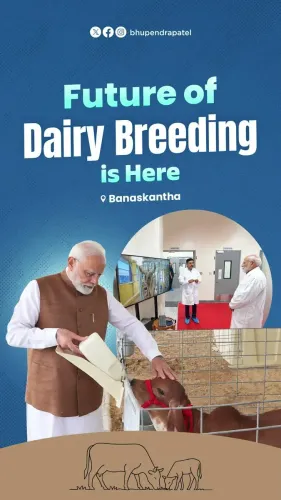
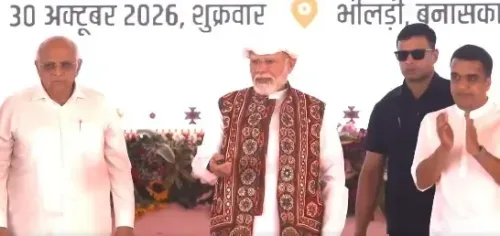
PM Narendra Modi visited Bhildi, Banaskantha, Gujarat on 30 October 2026 to inspect the ET-IVF and BBBRC cattle farm.
The Embryo Transfer Technology In Vitro Fertilization (ET-IVF) process allows a single high-merit donor cow to produce dozens of calves by implanting lab-fertilised embryos into surrogate mothers.
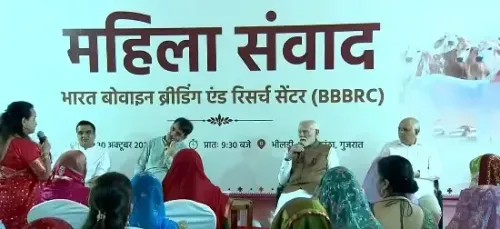
The Bharat Bovine Breeding and Research Centre (BBBRC) at Bhildi applies modern biotech to both indigenous and crossbred bovines.
The visit aligns with the Rashtriya Gokul Mission , launched in 2014 , to conserve and genetically improve indigenous bovine breeds.
Gujarat has emerged as an early adopter of assisted reproductive technologies within its cooperative dairy ecosystem.
Industry watchers are now tracking whether this visit accelerates expansion of ET-IVF centres to other milk-producing states.
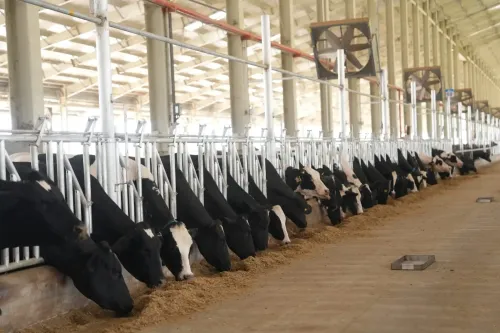
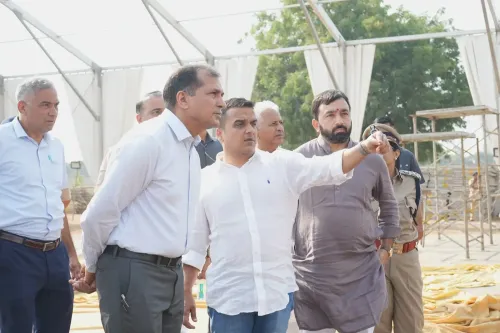
A cattle farm in Gujarat's Banaskantha district became the unlikely stage for one of India's most consequential agricultural conversations on Friday, 30 October 2026, when Prime Minister Narendra Modi travelled to Bhildi to personally inspect the frontier of bovine biotechnology — and what he saw represents a sharp leap from the traditional world of livestock breeding.
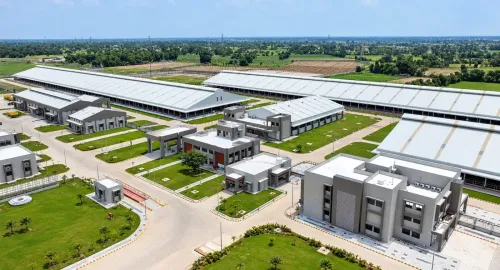
The Chief Minister's Office of Gujarat confirmed that the Prime Minister visited the Embryo Transfer Technology In Vitro Fertilization (ET-IVF) facility as well as the Bharat Bovine Breeding and Research Centre (BBBRC) cattle farm at Bhildi, where he received a detailed briefing on the transition from conventional breeding methods to cutting-edge assisted reproductive biotechnology. The hashtag #KisanKalyanSeRashtraKalyan — 'From farmer welfare to national welfare' — framed the visit as part of a larger rural development vision.
From natural mating to embryo pipettes: what ET-IVF does for Indian cattle
ET-IVF is not a new concept in veterinary science, but its large-scale application in India's livestock sector is still in early innings. The technology harvests embryos from genetically superior donor cows, fertilises them in a laboratory, and transfers the resulting embryos into surrogate mothers — allowing a single high-merit cow to produce dozens of calves in the time she would naturally produce one or two.
The practical payoff is significant: faster genetic improvement means higher milk yields and disease resistance can be scaled across a herd within a single generation rather than over decades. For dairy farmers and livestock breeders — the two communities with the most skin in this game — the technology promises a shortcut to productivity gains that conventional selective breeding could not deliver at speed.
BBBRC Bhildi and the Gujarat biotech advantage
The Bharat Bovine Breeding and Research Centre at Bhildi is designed precisely as a proof-of-concept hub for these techniques, applied to both indigenous and crossbred bovines. Gujarat, with its deep-rooted cooperative dairy infrastructure, has positioned itself as a national front-runner in adopting biotech applications within the livestock sector — a legacy that stretches back decades through its cooperative movement.
The visit slots into the policy lineage of the Rashtriya Gokul Mission, launched in 2014, which set out to conserve and genetically improve indigenous bovine breeds using modern science. That mission established the framework; facilities like BBBRC are meant to be its operational expression on the ground.
Why a Prime Ministerial walkthrough matters
Prime Ministerial site visits to agricultural technology centres carry a specific signal: they accelerate bureaucratic attention, unlock state-centre coordination, and — critically — build political will for budget allocations. The central and state governments have incrementally introduced assisted reproductive technologies into the cattle sector over the past decade, but scaling ET-IVF from Gujarat's pilot clusters to a pan-India network demands both infrastructure investment and trained veterinary manpower that most states currently lack.
The question the industry will now watch closely: does this visit translate into an expansion of ET-IVF centres beyond Gujarat to other milk-producing states, and will the next round of scheme data show measurable movement in breed registration and milk procurement figures?
Point of View
Likely leveraging Gujarat's cooperative dairy model as a replicable template. It reinforces the Rashtriya Gokul Mission's decade-long arc from conservation to genetic acceleration, with ET-IVF as its technological centrepiece. Politically, the visit fuses agrarian welfare optics with a science-and-innovation narrative — a combination that appeals simultaneously to rural voter bases and to the modernisation story the government wants to project. The real test will be whether this translates into budgetary and institutional muscle for multi-state ET-IVF scale-up, or remains a high-visibility one-off.
NationPress
30 Oct 2026
Frequently Asked Questions
What is ET-IVF technology in cattle breeding?
ET-IVF (Embryo Transfer Technology In Vitro Fertilization) is an advanced reproductive technique where embryos are harvested from genetically superior donor cows, fertilised in a laboratory, and transferred to surrogate mothers, allowing one high-merit cow to produce many more calves than is naturally possible.
Where is the Bharat Bovine Breeding and Research Centre located?
The Bharat Bovine Breeding and Research Centre (BBBRC) is located at Bhildi in Banaskantha district, Gujarat, and focuses on applying modern biotechnology to indigenous and crossbred bovines.
What is the Rashtriya Gokul Mission?
The Rashtriya Gokul Mission was launched in 2014 to conserve and develop indigenous bovine breeds in India through genetic improvement and modern breeding techniques, forming the policy backbone for centres like BBBRC.
Why did PM Modi visit the Bhildi ET-IVF centre?
PM Modi visited the ET-IVF facility and Bharat Bovine Breeding and Research Centre at Bhildi on 30 October 2026 to understand how advanced biotechnology is being used to improve cattle breeds, framing it under the theme of farmer welfare contributing to national welfare.
How does ET-IVF benefit Indian dairy farmers?
By accelerating genetic improvement, ET-IVF can deliver higher milk yields and better disease resistance across a herd within a single generation, giving dairy farmers productivity gains far faster than conventional selective breeding allows.