PM Modi visits India's first greenfield refinery complex in Balotra
Synopsis
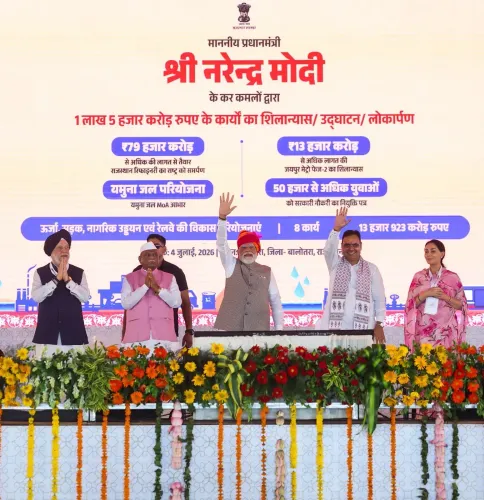
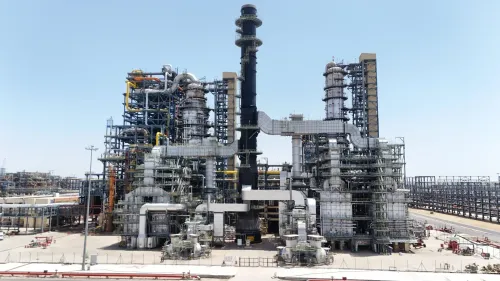
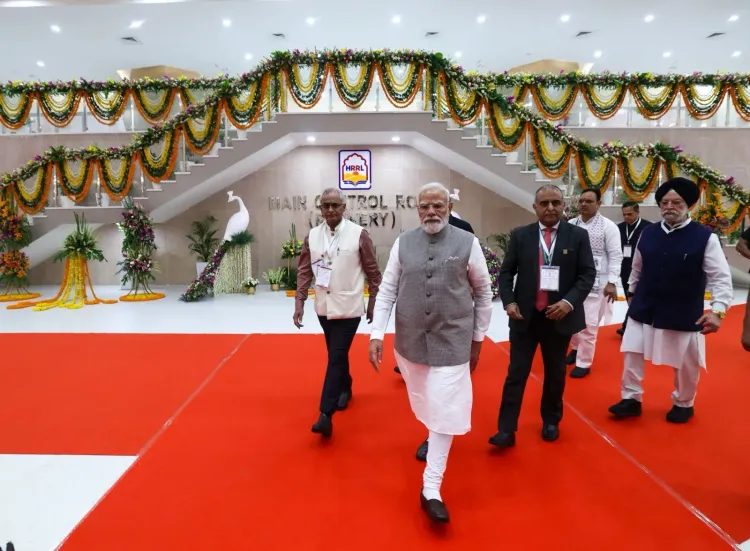
Prime Minister Narendra Modi visited Balotra, Rajasthan on 4 July 2026 to inspect India's first greenfield integrated refinery-cum-petrochemical complex. He said the advanced facility will give India's energy sector 'a new strength,' marking a significant step in the country's push to expand and diversify refining capacity.
Key Takeaways
PM Modi visited Balotra, Rajasthan on 4 July 2026 to inspect the facility in person.
The complex is described as India's first greenfield integrated refinery-cum-petrochemical complex .
The 'greenfield' tag means it was built on a previously undeveloped site, unlike brownfield expansions at existing coastal refineries.
The integrated model combines refining and petrochemical processing to maximise value from each barrel of crude oil.
The project diversifies India's refining base beyond its traditional coastal clusters into western Rajasthan .
Commissioning timeline and crude processing start date remain the key milestones to watch.
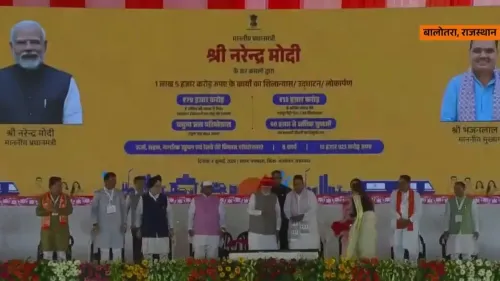
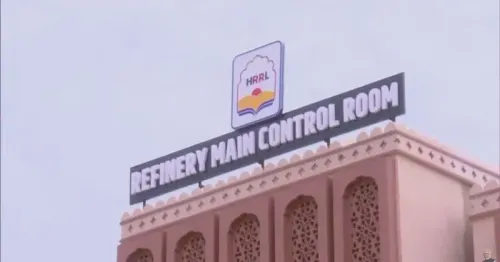
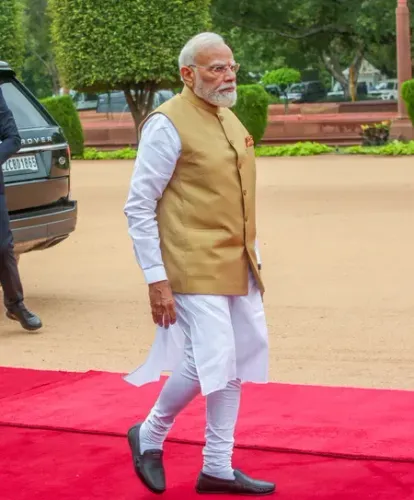
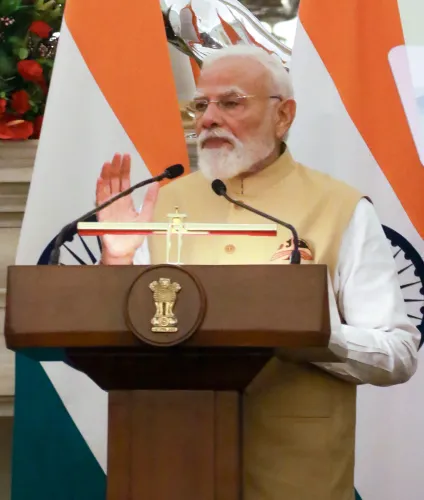
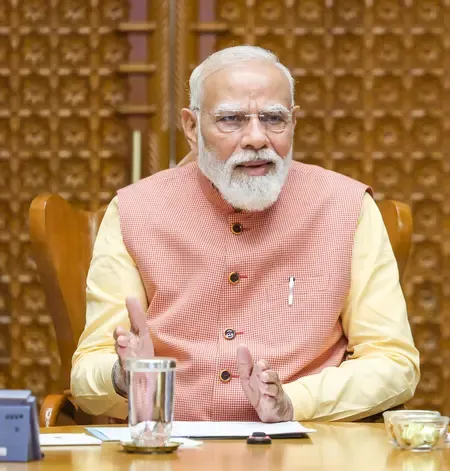
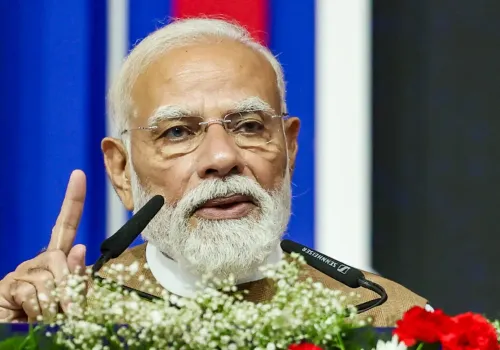
Prime Minister Narendra Modi on Saturday, 4 July 2026, visited Balotra, Rajasthan, to inspect the country's first greenfield integrated refinery-cum-petrochemical complex, describing the facility as a milestone for India's energy sector.
Posting on X, Modi wrote in Hindi: 'राजस्थान के बालोतरा में देश के पहले ग्रीनफील्ड इंटीग्रेटेड रिफाइनरी-कम-पेट्रोकेमिकल कॉम्प्लेक्स को देखने का सुअवसर मिला' ('I got the fortunate opportunity to see the country's first greenfield integrated refinery-cum-petrochemical complex in Balotra, Rajasthan'). He added that the state-of-the-art refinery would give India's energy sector 'a new strength.'
Context
Balotra, a district in western Rajasthan, has emerged as the host site for what the government describes as India's first greenfield integrated refinery-cum-petrochemical complex. The designation 'greenfield' signals that the facility has been built on a previously undeveloped site, distinguishing it from brownfield expansions at existing refineries along India's coastline.
The integrated model — combining refining and petrochemical processing on a single campus — is designed to maximise value extraction from each barrel of crude oil, producing both transport fuels and chemical feedstocks that feed downstream manufacturing industries.
Policy Backdrop
India has steadily expanded public-sector refining capacity since the early 2000s, driven by rising domestic demand for petroleum products and a strategic goal of reducing import dependence on refined fuels. Successive governments have encouraged integrated refinery-petrochemical projects as a way to move up the value chain beyond basic fuel production.
Siting a major refinery complex in Rajasthan — an inland, western state — represents a deliberate diversification away from the coastal clusters that have historically dominated Indian refining. The move also aligns with broader efforts to develop industrial and energy infrastructure in states that have lagged in such investment.
Stakeholders and Impact
Energy companies and petrochemical manufacturers stand to benefit directly from the new facility, which is expected to supply both refined fuels and chemical feedstocks to domestic industries. Downstream sectors including plastics, fertilisers, synthetic textiles, and packaging — all heavy consumers of petrochemical products — could see improved supply security and potentially more competitive input prices.
Rajasthan's economy, which has a significant industrial and textile base, is positioned to gain from proximity to a large integrated complex. Local employment in construction, operations, and ancillary services is among the anticipated benefits for the region.
What's Next
Attention will now turn to the facility's commissioning timeline and the date on which crude processing formally begins. The range of downstream petrochemical products the complex will manufacture — and the offtake arrangements with domestic industries — will determine the full economic footprint of the project.
The Prime Minister's visit, accompanied by photographs shared on social media, signals that the complex is at or near a stage of readiness significant enough for a high-profile inspection. Formal commissioning announcements and capacity disclosures are expected to follow in the coming weeks.
Point of View
Reducing dependence on imported petrochemicals alongside imported crude. How quickly the facility reaches full operational capacity will be the real test of whether the political symbolism translates into measurable energy-sector gains.
NationPress
4 Jul 2026
Frequently Asked Questions
Where is India's first greenfield integrated refinery-cum-petrochemical complex located?
It is located in Balotra , a district in the western state of Rajasthan .
What is a greenfield integrated refinery-cum-petrochemical complex?
A greenfield complex is built on a previously undeveloped site rather than expanding an existing facility. An integrated refinery-cum-petrochemical complex combines fuel refining and petrochemical production on a single campus to extract maximum value from crude oil.
Why did PM Modi visit Balotra in July 2026?
Prime Minister Narendra Modi visited Balotra on 4 July 2026 to inspect the country's first greenfield integrated refinery-cum-petrochemical complex and assess its progress ahead of commissioning.
How will the Balotra refinery benefit India's energy sector?
The facility is expected to boost domestic refining and petrochemical output, improve supply security for downstream industries such as plastics and textiles, and reduce India's dependence on imported petrochemicals.
When will the Balotra refinery-petrochemical complex be commissioned?
The exact commissioning date has not been officially announced. The Prime Minister's visit suggests the facility is nearing operational readiness, with formal announcements expected in the coming weeks.