PM Modi Thanks Austrian Chancellor Stocker, Eyes Stronger Ties
Synopsis
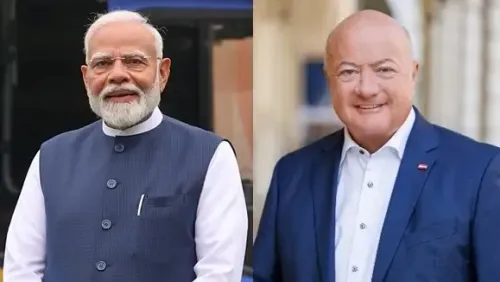
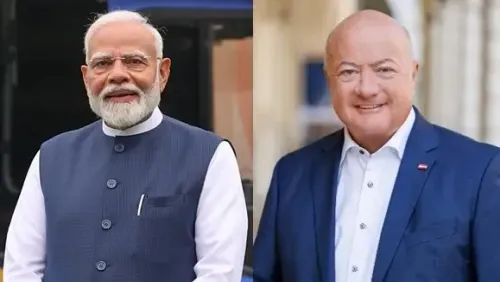
Prime Minister Narendra Modi on June 11, 2026, publicly thanked Austrian Federal Chancellor Stocker for warm wishes and recalled his recent visit to India, signalling intent to further strengthen India-Austria ties as part of New Delhi's broader European engagement strategy.
Key Takeaways
Prime Minister Narendra Modi thanked Austrian Federal Chancellor Stocker on June 11, 2026 , via a post on X.
Modi cited Chancellor Stocker's recent visit to India as a basis for deepening bilateral relations.
India and Austria have maintained diplomatic ties since 1949 , underpinned by a 1983 double taxation avoidance agreement.
The exchange reflects India 's strategy of building parallel bilateral ties with individual EU member states.
Business communities in both nations, particularly in trade and technology, are the primary stakeholders in any expanded cooperation.
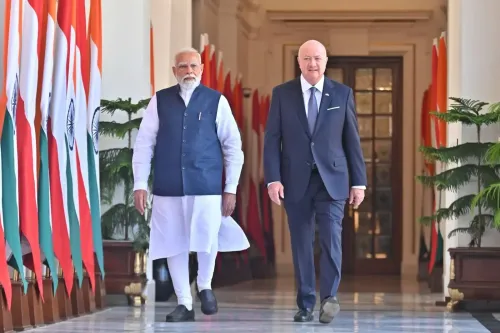
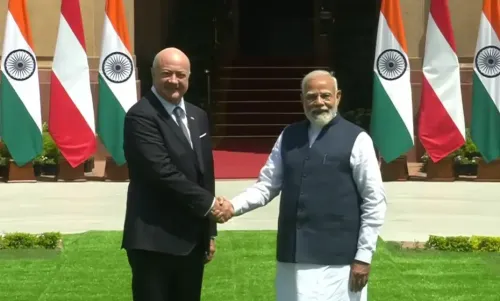
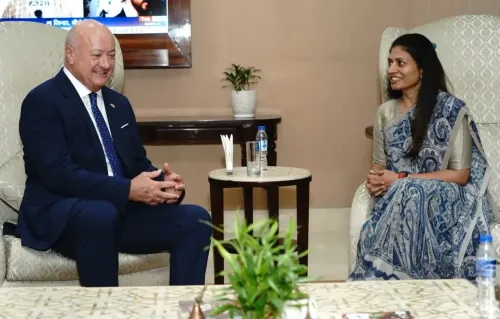
Prime Minister Narendra Modi on Thursday, June 11, 2026, acknowledged warm wishes from Austrian Federal Chancellor Stocker and expressed his intent to deepen bilateral relations between India and Austria, citing a recent visit by the Chancellor to India as a foundation for future cooperation.
Context
In a post on X, Prime Minister Modi wrote: 'Thank you Federal Chancellor Stocker for your warm wishes. I fondly recall your recent visit to India and look forward to working together to further strengthen India-Austria ties.' The message, addressed directly to @_CStocker, signals a continued personal rapport between the two leaders following the Austrian Chancellor's visit to New Delhi.
Austria and India have maintained formal diplomatic relations since 1949, making theirs one of the longer-standing bilateral ties between an EU member state and the South Asian republic. A double taxation avoidance agreement signed in 1983 laid early groundwork for economic engagement between the two countries.
Policy Backdrop
India has in recent years pursued a deliberate strategy of parallel engagement with individual European Union member states, even as it works within the broader framework of the India-EU strategic partnership. This approach — part of New Delhi's wider multi-alignment foreign policy — allows India to build issue-specific ties on trade, technology, and mobility with countries like Austria, Germany, and France without waiting for EU-wide consensus.
Prime Minister Modi has since 2014 prioritised expanding India's diplomatic footprint across Europe, with high-level visits and bilateral frameworks forming the backbone of this outreach. Chancellor Stocker's visit to India fits into this broader pattern of European leaders engaging directly with New Delhi.
Stakeholders and Impact
The business communities of both nations stand to benefit most directly from any deepening of India-Austria ties, particularly in sectors where Austria holds technological strengths — including engineering, environmental technology, and life sciences. Diplomatic officials on both sides are expected to translate the leaders' stated intent into concrete bilateral agreements.
For Austria, closer ties with India — one of the world's fastest-growing major economies — offer opportunities to diversify trade partnerships beyond the EU's immediate neighbourhood. For India, deepening relations with an EU member state provides both economic and diplomatic leverage within the European bloc.
What's Next
Any follow-up agreements or joint initiatives are likely to be announced either at the next India-EU summit or during multilateral meetings hosted by Austria. Prime Minister Modi's public acknowledgment of the Chancellor's visit and his forward-looking language suggest both sides are in active dialogue on next steps. The trajectory of India-Austria relations will be watched closely by other EU member states calibrating their own bilateral engagement with New Delhi.
Point of View
' Modi signals that the bilateral conversation is already in motion, not merely aspirational. For Austria, the public acknowledgment from one of the world's most consequential leaders is a diplomatic asset. The post, modest in length, carries outsized signalling value in the context of India's intensifying European courtship.
NationPress
25 Oct 2026
Frequently Asked Questions
What did PM Modi say about India-Austria relations?
PM Modi thanked Austrian Federal Chancellor Stocker for his warm wishes and said he fondly recalled the Chancellor's recent visit to India, expressing a desire to further strengthen bilateral ties between the two countries.
When did India and Austria establish diplomatic relations?
India and Austria established formal diplomatic relations in 1949, making it one of the longer-standing bilateral ties between India and a European Union member state.
Who is Austrian Federal Chancellor Stocker?
Federal Chancellor Stocker is the head of government of Austria and has been engaging in bilateral diplomacy with India, including a recent visit to New Delhi referenced by Prime Minister Modi.
How does India approach relations with EU member states?
India pursues a multi-alignment strategy of building parallel bilateral ties with individual EU member states on trade, technology, and mobility, complementing its broader engagement with the EU as a whole.
What could come next for India-Austria ties?
Follow-up agreements or joint initiatives between India and Austria are likely to emerge at the next India-EU summit or during multilateral meetings hosted by Austria, given the positive signals from both leaders.