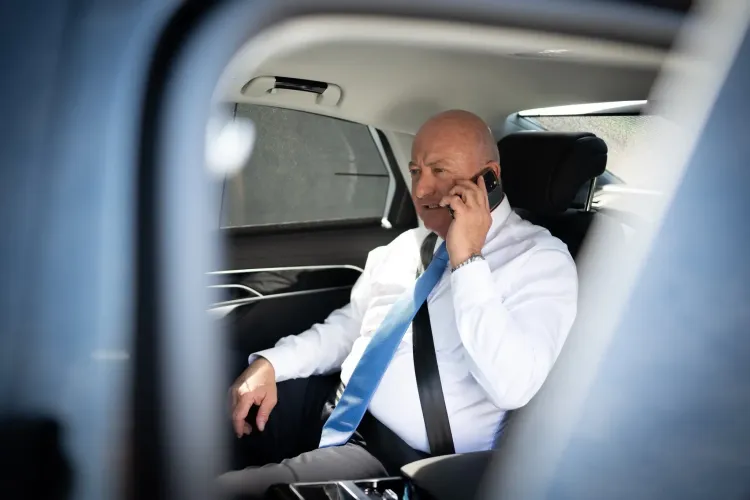
Chancellor Christian Stocker to Strengthen India-Austria Relations During Upcoming Visit
Synopsis
Chancellor Christian Stocker of Austria is set to visit India from April 14-17, aiming to strengthen bilateral ties with Prime Minister Modi. This visit underscores a shared commitment to enhance cooperation across various sectors, marking a significant moment in India-Austria relations.
Key Takeaways
Chancellor Stocker's visit is from April 14 to 17 .
High-level delegation includes key Austrian officials.
Focus on strengthening bilateral cooperation .
Discussions on regional and global issues .
Potential for economic and technology partnerships .
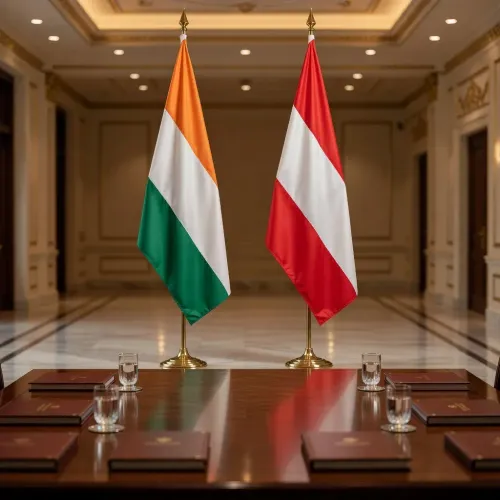
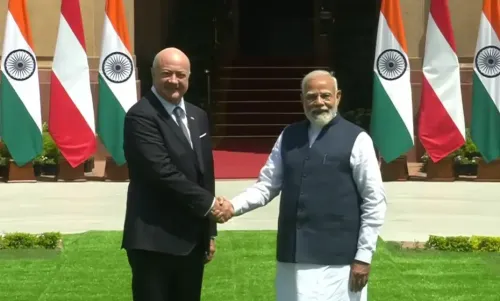
New Delhi, April 9 (NationPress) The Federal Chancellor of Austria, Christian Stocker, is scheduled to embark on an official visit to India from April 14 to 17, as confirmed by the Ministry of External Affairs (MEA) on Thursday.
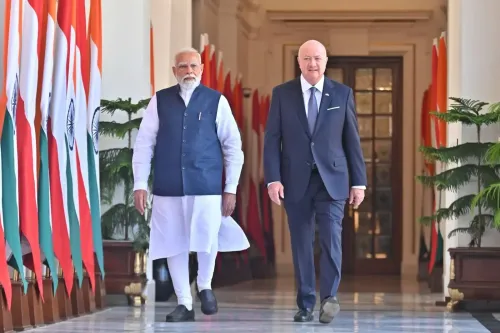
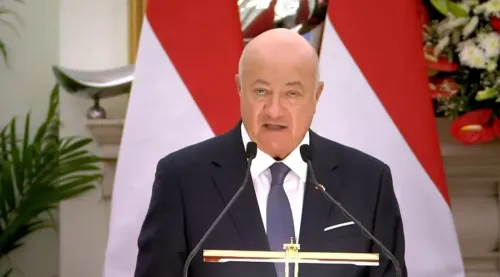
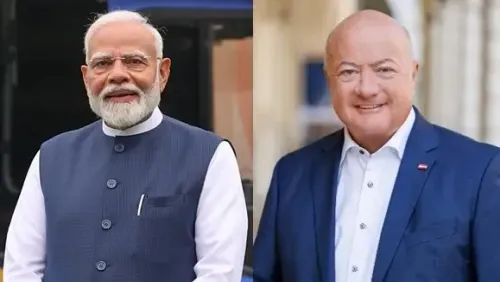
Marking his inaugural journey to India and his first official engagement in Asia, Chancellor Stocker will visit at the invitation of Prime Minister Narendra Modi. He will be accompanied by a distinguished delegation that includes Federal Minister of Economy, Energy and Tourism Wolfgang Hattmannsdorfer, along with senior officials and business representatives.
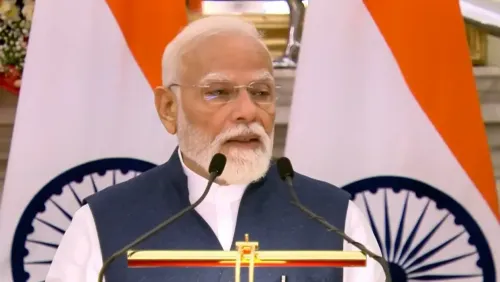
According to the MEA, during this visit, PM Modi and Chancellor Stocker will engage in discussions aimed at enhancing bilateral cooperation in various sectors. They are also expected to share perspectives on regional and global issues of common interest, including collaborations in multilateral platforms. The Prime Minister is set to host a luncheon in honor of the visiting leader.
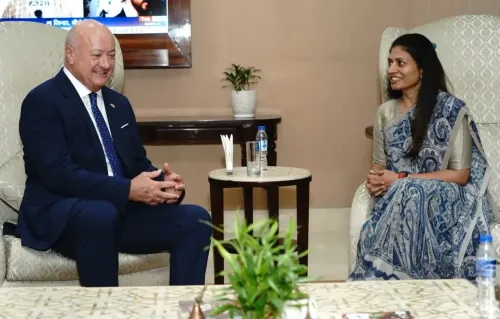
Moreover, Stocker will meet President Droupadi Murmu and External Affairs Minister S. Jaishankar during his stay in New Delhi.
The statement from the MEA noted, "India and Austria maintain cordial, multifaceted relations grounded in shared democratic values. The highly successful visit by the Prime Minister to Austria in July 2024 significantly elevated the contemporary ties between the nations. Chancellor Stocker's visit reflects the mutual commitment to further strengthen and broaden the partnership in new areas of shared interest."
PM Modi had visited Austria from July 9 to 10, 2024 at the invitation of then-Chancellor Karl Nehammer. This marked the Prime Minister's first official trip to Austria and the first by an Indian Prime Minister in 41 years. Notably, this year also celebrated the 75th anniversary of diplomatic relations between the two countries.
During this historic visit, both leaders reaffirmed their dedication to enhancing bilateral, regional, and international cooperation for a more stable, prosperous, and sustainable world.
They acknowledged the potential for significantly upgrading their bilateral partnership and agreed to pursue a strategic approach to achieve this goal. As part of this initiative, the MEA had indicated that, beyond political dialogues, the two leaders would focus on a future-oriented bilateral economic and technology partnership, encompassing various new initiatives, joint projects, collaborative technology development, research and innovation, as well as business-to-business engagement particularly in green and digital technologies, infrastructure, renewable energy, water management, life sciences, smart cities, mobility, and transportation.
Point of View
Chancellor Stocker's upcoming visit to India represents a significant opportunity to bolster diplomatic ties and explore new avenues for collaboration between Austria and India, emphasizing mutual interests in various sectors.
NationPress
10 Oct 2026
Frequently Asked Questions
What are the dates of Chancellor Stocker's visit to India?
Chancellor Christian Stocker will visit India from April 14 to 17.
Who is accompanying Chancellor Stocker on his visit?
He will be accompanied by a high-level delegation including Federal Minister of Economy, Energy, and Tourism Wolfgang Hattmannsdorfer, along with senior officials and business leaders.
What will PM Modi and Chancellor Stocker discuss?
They will discuss strengthening bilateral cooperation in various sectors and share views on regional and global issues of mutual interest.
Who else will Chancellor Stocker meet during his visit?
He will also meet President Droupadi Murmu and External Affairs Minister S. Jaishankar.
What key areas are expected to be addressed during the visit?
The visit aims to enhance cooperation in areas such as green and digital technologies, infrastructure, renewable energy, and more.