PM SVANidhi scheme lifts Chamoli vendors with collateral-free loans up to ₹50,000
Synopsis
In Chamoli, one of Uttarakhand's most remote border districts, the PM SVANidhi scheme is quietly reshaping financial access for street vendors. A vegetable seller named Shiv Prasad Maithani climbed from a ₹10,000 handcart loan to a ₹50,000 credit line — a small story that reveals the scheme's real design: credit as a ladder, not a one-time grant.
Key Takeaways
PM SVANidhi is providing collateral-free loans to street vendors in Chamoli , Uttarakhand, in phases of ₹10,000 , ₹20,000 , and ₹50,000 .
Beneficiary Shiv Prasad Maithani of Gauchar used successive loans to start and expand a vegetable vending business.
Vendors access the scheme through local municipal bodies , which handle documentation and eligibility.
The scheme was originally launched in June 2020 to support street vendors hit by pandemic-era disruptions.
Timely repayment unlocks higher loan amounts, building financial discipline among informal-sector workers.
The Pradhan Mantri Street Vendor's AtmaNirbhar Nidhi (PM SVANidhi) scheme is proving to be a transformative financial lifeline for small traders and street vendors in Chamoli, a border district of Uttarakhand, helping them build sustainable livelihoods through collateral-free, phased working capital loans. Beneficiaries across the district are using the scheme to launch and scale modest enterprises, with loan amounts rising from ₹10,000 in the first phase to as high as ₹50,000 upon timely repayment.
How the Scheme Works
Under PM SVANidhi, eligible street vendors, cart operators, and small shopkeepers receive collateral-free loans in successive phases. The first tranche typically stands at ₹10,000, escalating to ₹20,000 and then ₹50,000 as borrowers demonstrate timely repayment. The phased design is intended to build financial discipline while progressively expanding access to working capital.
Vendors learn about the scheme through local municipal bodies, which also facilitate document submission and eligibility verification. The structure effectively removes barriers that typically shut out informal-sector workers from formal credit channels.
A Vendor's Journey in Gauchar
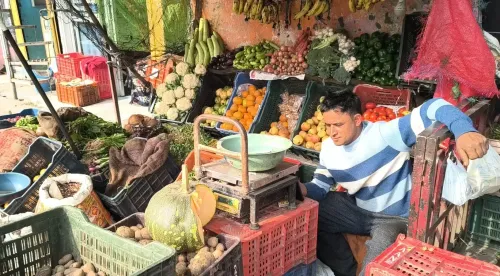
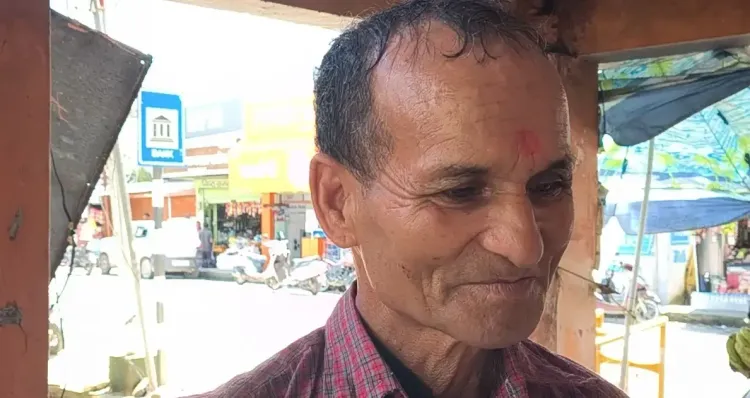
Shiv Prasad Maithani, a resident of Gauchar in Chamoli district, exemplifies the scheme's on-the-ground impact. Maithani first heard about PM SVANidhi through the local municipal body and submitted the required documents to access its benefits.
He received an initial loan of ₹10,000, which he deployed to launch a vegetable vending business using a handcart. After repaying that amount on time, he qualified for a second loan of ₹20,000, and subsequently a third of ₹50,000.
'The scheme provided crucial financial support at a time when arranging funds to start and expand a small business was difficult,' Maithani said. He added that the successive loans helped him gradually strengthen his business, increase his income, and improve his overall financial condition. Maithani also expressed gratitude to the Central government for introducing the initiative, describing it as particularly beneficial for economically weaker sections.
Why It Matters in a Border District
Chamoli's geography — a mountainous, remote border district — limits residents' access to formal banking and credit infrastructure. For vendors operating at this margin, even modest working capital can be the difference between subsistence and stability. This comes amid a broader national push to formalise the informal economy and bring micro-entrepreneurs into the credit mainstream.
Notably, PM SVANidhi was launched in June 2020 during the pandemic-era economic disruption, specifically to help street vendors who had been disproportionately hit by lockdowns. Its continued rollout in districts like Chamoli reflects the scheme's expanded mandate beyond urban centres.
What the Scheme Aims to Achieve
PM SVANidhi's core objective is to provide accessible working capital to street vendors, enabling them to restart, sustain, and expand their businesses while gradually building financial independence through a culture of timely loan repayment. Repeat borrowers who maintain a clean repayment record are rewarded with higher credit limits, incentivising fiscal responsibility at the grassroots level.
As the scheme deepens its reach into districts like Chamoli, its long-term impact on reducing informal-sector credit dependency will be closely watched by policymakers and development economists alike.
Point of View
Yet the scheme's broader reach — how many vendors in Chamoli have actually completed all three phases, and what the default rate looks like — is rarely published. Without that data, it is difficult to separate a well-performing programme from one that works well for a visible few. The Centre would strengthen the scheme's credibility by publishing district-level disbursement and repayment data, turning a welfare narrative into a verifiable track record.
NationPress
19 Oct 2026
Frequently Asked Questions
What is the PM SVANidhi scheme?
The Pradhan Mantri Street Vendor's AtmaNirbhar Nidhi (PM SVANidhi) is a Central government scheme that provides collateral-free working capital loans to street vendors and small traders. It was launched in June 2020 to help vendors recover from economic disruption and gradually build financial independence through phased loan access.
How much loan can a vendor get under PM SVANidhi?
Vendors can receive loans in three phases: ₹10,000 in the first phase, ₹20,000 in the second, and ₹50,000 in the third. Each higher tranche is unlocked only upon timely repayment of the previous loan.
How do vendors in Chamoli apply for PM SVANidhi?
Vendors can approach their local municipal body, which helps them understand eligibility and submit the required documents. The municipal body acts as the primary point of contact for accessing the scheme's benefits.
Who is eligible for the PM SVANidhi scheme?
Street vendors, cart operators, and small shopkeepers engaged in vending activities are eligible. The scheme is specifically targeted at economically weaker sections in the informal sector who lack access to formal credit channels.
Why is PM SVANidhi significant for border districts like Chamoli?
In remote, mountainous districts like Chamoli, access to formal banking and credit is limited. PM SVANidhi fills this gap by offering collateral-free loans through local civic bodies, enabling even the smallest vendors to launch or expand businesses without relying on informal moneylenders.