Chhattisgarh CMO: Polio Drive Reaches Konta's Kanhai Guda for First Time
Synopsis
The Chief Minister's Office of Chhattisgarh announced on 3 July 2026 that a polio immunisation campaign has reached Kanhai Guda in Konta, Bastar, for the first time since independence — a milestone reflecting improved governance access in a long-insurgency-affected tribal region.
Key Takeaways
The Chhattisgarh CMO announced on 3 July 2026 that a polio drive reached Kanhai Guda, Konta for the first time since India's independence.
Konta is a tehsil in Sukma district , Bastar division — historically inaccessible due to left-wing extremist activity.
India has been polio-free since 2014 , but immunisation rounds continue under the National Polio Surveillance Project to prevent re-emergence.
The primary beneficiaries are tribal children under five in villages that had no prior access to this government health service.
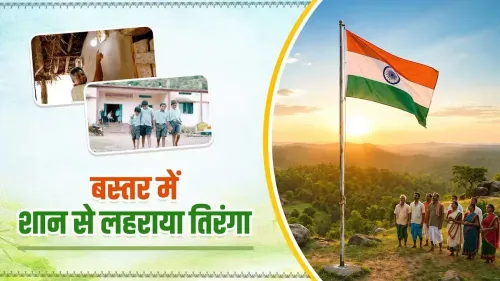
The state government framed the development as part of a 'changing Bastar' narrative, reflecting broader governance restoration efforts in the region.
Future rounds may integrate these villages into Mission Indradhanush for full routine immunisation coverage.
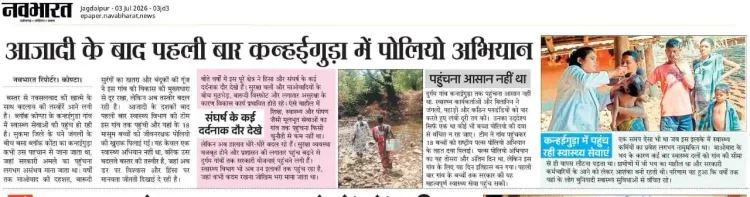
The Chief Minister's Office of Chhattisgarh announced on 3 July 2026 that a polio immunisation campaign has reached Kanhai Guda in Konta, Bastar — marking what the government describes as the first time such a drive has accessed this remote village since India's independence.
The CMO posted on X: 'Badalte Bastar ki swasth aur khushhal tasveer — Aazadi ke baad pehli baar Konta ke Kanhai Guda mein pahuncha Polio Abhiyan' ('A healthy and happy picture of a changing Bastar — for the first time since independence, the Polio campaign has reached Kanhai Guda in Konta'). The post signals a governance milestone in one of India's most insurgency-affected regions.
Context
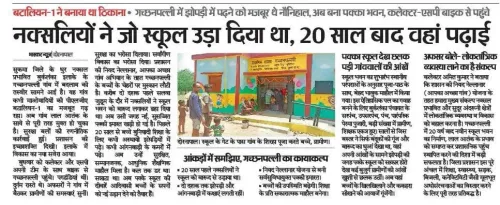
Konta is a tehsil in Sukma district, located within the Bastar division of southern Chhattisgarh. The area has a predominantly tribal population and has historically been among the most difficult to access for government health workers due to decades of left-wing extremist activity. Villages like Kanhai Guda have remained outside the reach of routine immunisation rounds for generations.
The announcement frames this development as part of a 'changing Bastar' — the state government's broader narrative of restoring governance and public services in areas that were long under the shadow of insurgency.
Policy Backdrop
India launched the Pulse Polio Immunisation Programme in 1995 to vaccinate all children under the age of five against poliovirus. The country was declared polio-free by the World Health Organization in 2014, following the last reported case in 2011. However, surveillance and immunisation rounds continue under the National Polio Surveillance Project, established in 1997, to ensure the disease does not re-emerge.
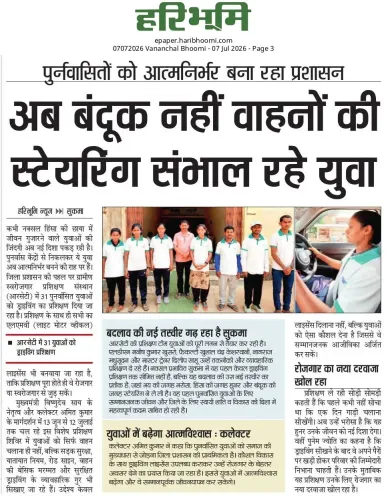
Chhattisgarh intensified health outreach into Naxal-affected districts as security conditions improved through the 2010s and into the 2020s. Similar drives have been prioritised in other Left Wing Extremism-affected districts across central India, with the goal of closing persistent gaps in immunisation coverage among tribal communities.
Stakeholders and Impact
The primary beneficiaries are tribal children under five years of age in Kanhai Guda and surrounding villages of Konta tehsil. For families in these settlements, the arrival of health workers represents access to a state service that has been absent since independence — a gap of nearly 79 years. Community health workers and ASHA workers who facilitated ground-level outreach in a challenging terrain are also central to this effort.
The development carries symbolic weight beyond immunisation: it signals that the Chhattisgarh government's administrative reach is extending into pockets of Bastar that were previously inaccessible, with potential knock-on effects for other health, education, and welfare schemes.
What's Next
The state health department is expected to extend similar outreach to other remote villages in Sukma and adjoining Bastar blocks in subsequent immunisation rounds. Authorities may also integrate these villages into Mission Indradhanush, the national programme targeting full routine immunisation coverage for children and pregnant women in underserved areas. Sustained coverage — not just a single visit — will determine whether this marks a lasting shift in health access for Bastar's most remote communities.
Point of View
By extending basic services into insurgency-held territory. The polio drive reaching Kanhai Guda fits a broader pattern of the Chhattisgarh government using health and welfare milestones to demonstrate governance dividends from improved security conditions in Bastar. For the ruling dispensation, each such 'first' in a remote Bastar village serves as tangible evidence of development outreach in a region that has long been a political and administrative challenge. The durability of this outreach — whether it becomes routine rather than symbolic — will be the real measure of progress.
NationPress
1 Oct 2026
Frequently Asked Questions
Has a polio campaign really never reached Konta's Kanhai Guda before?
According to the Chhattisgarh Chief Minister's Office, the July 2026 drive is the first time a polio immunisation campaign has reached Kanhai Guda in Konta since India's independence in 1947, reflecting the area's long inaccessibility due to insurgency.
Is India still conducting polio campaigns if it is already polio-free?
Yes. India was declared polio-free by the WHO in 2014, but immunisation rounds continue under the National Polio Surveillance Project to prevent re-emergence of the virus, especially in under-vaccinated communities.
Where exactly is Kanhai Guda and why was it hard to reach?
Kanhai Guda is a village in Konta tehsil, Sukma district, within the Bastar division of southern Chhattisgarh. Decades of left-wing extremist activity in the region made it extremely difficult for government health workers to access such remote settlements.
What is the Pulse Polio Programme in India?
The Pulse Polio Immunisation Programme was launched by India in 1995 to vaccinate all children under five against poliovirus. It is credited with helping India achieve polio-free status, certified by the WHO in 2014.
What other health schemes could benefit Bastar's remote villages?
Mission Indradhanush, the national programme targeting full routine immunisation coverage for children and pregnant women in underserved areas, is among the schemes that could be extended to newly accessible villages in Bastar and Sukma districts.