Why Has The Kerala Story 2 Sparked Political Controversy?
Synopsis
The upcoming film The Kerala Story 2 has ignited a political storm, with leaders from various parties clashing over its implications for social harmony and freedom of expression. As debates intensify, the film's content and its portrayal of sensitive issues raise questions about the balance between artistic freedom and societal responsibility.
Key Takeaways
The Kerala Story 2 has sparked significant political debate.
Leaders from various parties have opposing views on its implications.
Freedom of expression versus societal responsibility is a central theme.
Public discourse is encouraged over censorship.
Cinematic portrayals of sensitive issues remain contentious.
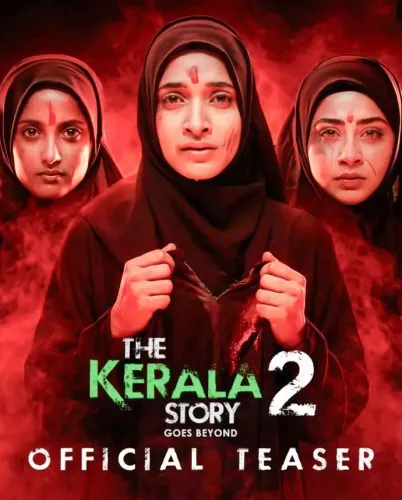
New Delhi, Feb 19 (NationPress) A political controversy has emerged surrounding the forthcoming film The Kerala Story 2, with politicians from various parties presenting sharply contrasting opinions on its themes, intentions, and potential effects on societal unity.
BJP representatives staunchly supported The Kerala Story 2, describing it as a depiction of reality and invoking the principle of freedom of expression amidst escalating political backlash.
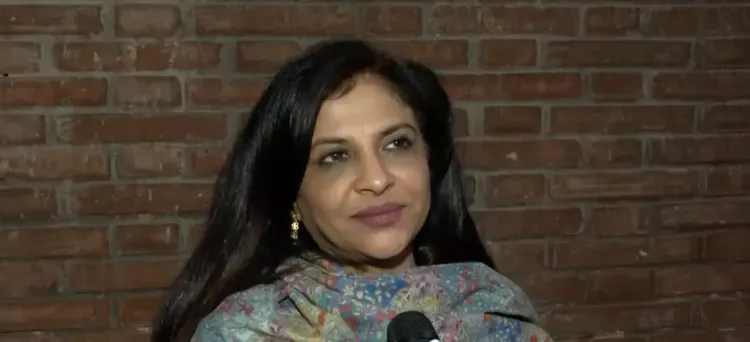
In an interview with IANS, BJP National Spokesperson Shazia Ilmi challenged the calls for the film's ban, stating that such requests oppose the fundamental right to freedom of expression.
She asserted that if a film has been produced and authorized for release under current laws, it should be made available to the public, regardless of some groups' disagreements with its narrative.
Ilmi emphasized that public discourse, rather than censorship, is the right course of action in a democratic society.
“You cannot selectively invoke freedom of expression only when it suits you,” she emphasized, urging detractors to address the film’s narrative through debate instead of suppression.
Another BJP National Spokesperson, R.P. Singh, claimed the film brings to light what he termed a “serious national issue,” alleging that “love jihad” is being utilized as a means for religious conversions.
He argued that the narrative illustrates how young women are supposedly targeted and exploited, adding that resistance to the film arises from discomfort with the truths it aims to reveal.
“The story uncovers a disturbing reality, which is why some individuals feel uneasy,” he stated, contending that facts should not be hidden simply because they are contentious.
In contrast, leaders from the PDP and Congress condemned the film as divisive, cautioning that such narratives threaten constitutional values and risk exacerbating communal tensions within the nation.
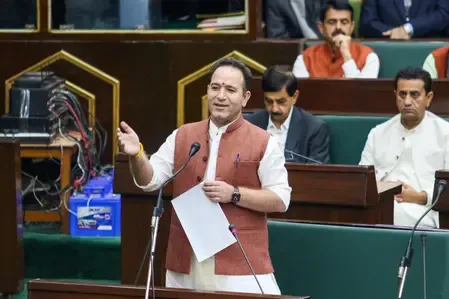
PDP MLA Aga Syed Muntazir Mehdi alleged that the film is part of a larger initiative to “dehumanize Muslims” over the last ten years, asserting that various tactics, including institutional pressure and social hostility, have been employed to malign the entire community, with the entertainment sector now being “weaponized.”
Echoing concerns about constitutional integrity, Congress MLA Nizamuddin Bhat insisted that the nation should operate strictly according to constitutional values, arguing that many current disputes would not emerge if governance adhered closely to these principles.
Samajwadi Party leader Abu Asim Azmi dismissed the film’s assertions as “false,” warning that narratives depicting Muslims as deceitful or harmful are perilous. While he stated that any instances of coercion should be legally addressed, he rejected the idea of widespread conspiracies.
Samajwadi Party leader S.T. Hasan warned against using cinema to sow hatred, insisting that crimes against women must be prosecuted regardless of religious affiliation.
BJP spokesperson Pratul Shah Deo defended the film, suggesting that reports of religious conversions in Kerala have repeatedly surfaced, and that portraying such issues on screen should not be opposed. BJP MLA Vikram Randhawa also advocated for an “objective” viewing of the film, emphasizing that producing films is the responsibility of filmmakers and should not be unnecessarily politicized.
Leader of the Opposition in Jammu and Kashmir, Sunil Kumar Sharma, maintained that religious conversions in Kerala are a recognized concern, but cautioned against directly linking the controversy to the BJP.
Uttar Pradesh Minister O.P. Rajbhar highlighted that films are subject to review by the Central Board of Film Certification, noting that any objections can be resolved through edits.
BJP MP Naresh Bansal described the first installment of the film as “eye-opening,” while party spokespersons R.P. Singh defended it under the auspices of freedom of expression.
Point of View
It is crucial to approach the debate surrounding The Kerala Story 2 with an emphasis on respect for diverse opinions. While some view it as an essential commentary on societal issues, others warn of its potential to deepen communal divisions. In a democratic society, it’s vital to foster dialogue and ensure that all voices are heard, keeping the principles of freedom and responsibility in balance.
NationPress
24 Sept 2026
Frequently Asked Questions
What is The Kerala Story 2 about?
The film addresses complex social themes, particularly concerning issues of religious conversions and women's rights.
Why is there political controversy surrounding the film?
Different political leaders have expressed contrasting views on the film's content, with some defending its portrayal of reality and others arguing it could exacerbate communal tensions.
What do BJP leaders say about the film?
BJP leaders defend the film as a reflection of reality and an exercise in freedom of expression amidst political criticism.
What are the concerns raised by opposition parties?
Opposition leaders criticize the film as potentially divisive and warn that it undermines constitutional values.
How do filmmakers navigate political sensitivities?
Filmmakers are encouraged to balance artistic expression with awareness of societal implications, engaging in public discourse to address criticisms.