Does Alternation of Power Really Strengthen Democracy? Insights from Kerala Sahitya Akademi Chairman
Synopsis
In a striking discourse, Kerala Sahitya Akademi Chairman K. Satchidanandan argues that uninterrupted political rule harms democracy, emphasizing the benefits of power alternation. The discourse has ignited significant political responses, highlighting the importance of opposition and the need for diverse voices in governance.
Key Takeaways
Power alternation is essential for a healthy democracy.
Continuous rule risks corruption and centralization of authority.
The Opposition plays a crucial role in democratic strength .
Voices of marginalized communities must be amplified .
Political compromises can weaken parties ideologically .
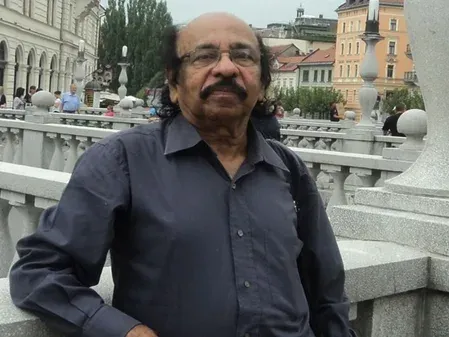
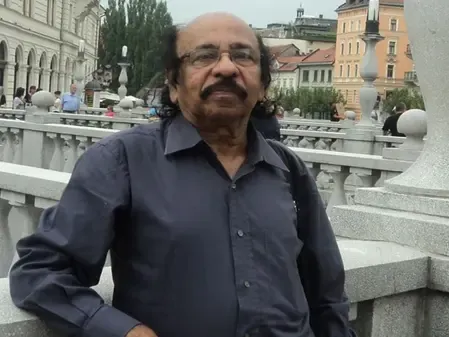
Thiruvananthapuram, Feb 9 (NationPress) Renowned poet and Chairman of the Kerala Sahitya Akademi, K. Satchidanandan, has sparked renewed discussions within Kerala's political sphere by expressing his belief that uninterrupted rule is detrimental to democracy. He contends that the state thrives when political parties exchange power.
Referencing the situation in West Bengal, he cautioned that extended governance by a single party could undermine democratic institutions and weaken ideological foundations.
Satchidanandan asserted that it is more beneficial for a party to transition to the Opposition after serving two consecutive terms, regardless of whether that party is the Left or Congress.
“Should Congress hold power, my stance would remain unchanged,” he stated.
He warned that continuous governance can lead to corruption, consolidation of power, and an influx of opportunists, which ultimately dilutes a party’s core principles.
Highlighting the crucial role of the Opposition in a democracy, he explained that being out of power allows political parties to regain strength and strengthen their connections with the public.
According to him, the ultimate aim of political parties should not solely be electoral success; rather, democracy must ensure that the voices of workers, farmers, Adivasis, minorities, and other marginalized communities are amplified.
In a diverse nation like India, he argued, the path to change lies in fortifying democratic processes, rather than through revolutionary upheaval.
Citing West Bengal again, Satchidanandan noted that Kerala’s Communist movement has not yet experienced a similar decline but warned that another consecutive term could lead it down that path.
While he acknowledged the Left government's accomplishments in development and literacy, he expressed concern about an increasing fear among citizens to speak out against the ruling party, which he deemed a troubling sign for a democratic society.
He also criticized political compromises aimed at appeasing dominant community groups, cautioning against prioritizing majority sentiment over principled politics.
Communists, he stated, have an obligation to support non-communal minorities, especially at a time when they feel increasingly vulnerable.
Such compromises, he argued, can weaken parties both ideologically and politically.
Satchidanandan's comments elicited strong political reactions. Former Health Minister and CPI(M) MLA K.K. Shailaja dismissed his views, asserting that the prevailing sentiment within the Left Democratic Front and among the public is that development should progress through stable governance.
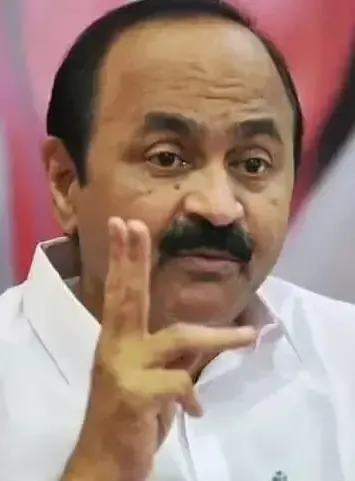
However, CPI(M) state secretary M.V. Govindan adopted a more conciliatory approach, indicating that the party would thoughtfully consider criticisms, including those from Satchidanandan, and address any issues related to prolonged rule.
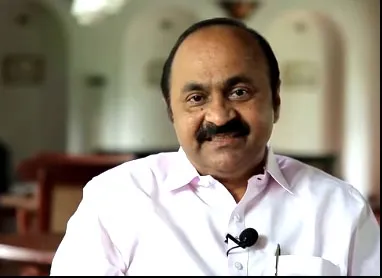
Leader of the Opposition V.D. Satheesan remarked that Satchidanandan's comments validated the Opposition’s position, labeling them as an acknowledgment of the political and organizational decline within the CPI(M).
Additionally, popular novelist and writer, Sarah Joseph, joined the discourse, echoing Satchidanandan’s sentiments.
Point of View
I believe K. Satchidanandan's perspective on the necessity of political power alternation is essential in preserving democratic integrity. His warnings about the risks of continuous governance resonate deeply in a diverse and complex political landscape like India. The emphasis on listening to marginalized voices is crucial for nurturing a truly representative democracy.
NationPress
3 Oct 2026
Frequently Asked Questions
What is K. Satchidanandan's stance on continuous political rule?
K. Satchidanandan believes that continuous political rule is unhealthy for democracy and advocates for the alternation of power among political fronts.
What potential risks does Satchidanandan associate with prolonged governance?
He warns that long-term governance can lead to corruption, centralization of authority, and a dilution of a party's core values.
How does he view the role of the Opposition in democracy?
Satchidanandan emphasizes that the Opposition is crucial for democratic functioning, allowing parties to rebuild strength and deepen connections with the public.
What did he say about the voices of marginalized communities?
He stressed that democracy must ensure the voices of workers, farmers, Adivasis, minorities, and other marginalized groups are heard.
How did political leaders react to his remarks?
His comments sparked strong reactions, with some leaders dismissing his views while others acknowledged the need for introspection within the ruling party.