Power Ministry proposes late payment protection for energy storage developers
Synopsis
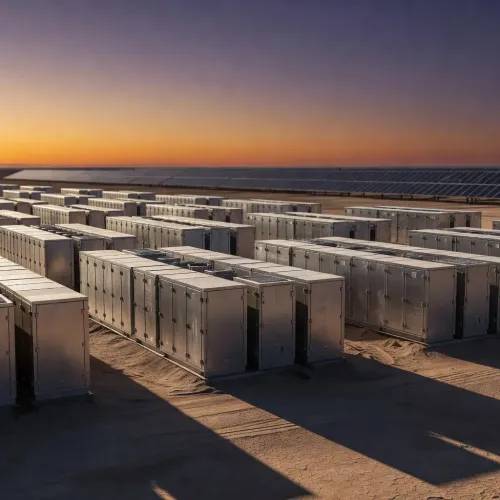
India's Power Ministry has proposed bringing independent energy storage operators under the same statutory late payment protections already enjoyed by generators and transmission companies. With BESS capacity set to grow from 15 GWh to 321 GWh by 2035-36, the amendment targets a key financing bottleneck: without guaranteed payment security, storage developers and their lenders have little statutory shield when DISCOMs delay payments.
Key Takeaways
The Ministry of Power on 11 November 2026 proposed extending LPS Rules protections to independent Energy Storage System (ESS) operators.
Currently, independent storage companies have no statutory recourse when DISCOMs delay payments and must rely solely on contract terms.
The draft amendment redefines the LPS Rules' scope to include energy storage service providers and introduces a formal definition for them.
Late payment interest starts at SBI one-year lending rate plus 5% , rising 0.5% per month of delay, capped at 3% above the opening rate.
BESS capacity is projected to grow from 15 GWh (October 2026) to 321 GWh by 2035-36 ; Pumped Hydro Storage from 44 GWh to 630 GWh .
Stakeholder comments are being invited before the amendment is finalised.
India's Ministry of Power on Wednesday, 11 November 2026, proposed extending late payment protections to independent companies operating standalone Energy Storage Systems (ESS), a move that could unlock large-scale investment in grid storage and accelerate the country's clean energy transition. The ministry has invited stakeholder comments on a draft amendment to the Electricity (Late Payment Surcharge and Related Matters) Rules, 2022, commonly known as the LPS Rules.
The Gap the Amendment Seeks to Close
Under the existing framework, late payment protections cover power generators, transmission companies, and electricity traders. However, independent energy storage service providers — companies that own and operate standalone storage systems not attached to a generation, transmission, or distribution licensee — have been left out. If a distribution company (DISCOM) delays payments to such a provider, the storage company currently has no statutory recourse and must rely solely on its contract terms.
Rule 18 of the Electricity Rules, 2005, permits storage assets to be owned by a generator, a transmission company, a DISCOM, a consumer, or an independent storage company. Storage owned by a generator already carries the legal status of the generator and falls under LPS Rules protection. The proposed amendment addresses the remaining gap — independent operators.
Key Changes in the Draft Amendment
The draft proposes two specific changes. First, it revises Sub-rule (3) of Rule 1 to explicitly state that the LPS Rules 'shall be applicable to outstanding dues of generating companies, transmission licensees, electricity trading licensees and energy storage service providers.' Second, it inserts a new clause defining an 'energy storage service provider' as 'an entity providing energy storage as a service or supplying electricity using energy storage system, that is not owned by a generating company, transmission licensee, distribution licensee or consumer.'
Under the LPS Rules, payment is due on the date specified in the power purchase agreement, or within 45 days of billing if the agreement is silent. Late payment interest starts at the State Bank of India's one-year lending rate plus 5%, rising by 0.5% for each month of delay and capped at 3% above the initial rate. DISCOMs are also required to maintain a Letter of Credit as payment security. Persistent defaulters can be barred from short-term power markets and power exchanges if a bill remains unpaid two-and-a-half months after presentation, with long-term supply progressively curtailed until dues are cleared.
Why It Matters for India's Storage Build-Out
Battery Energy Storage System (BESS) capacity in India is projected to surge from roughly 15 GWh in October 2026 to 321 GWh by 2035-36. Pumped Hydro Storage (PSP) capacity is expected to grow from 44 GWh in September 2026 to 630 GWh over the same period. According to the explanatory note accompanying the draft, investments of this magnitude require an assured and timely payment mechanism to attract developers and their lenders.
The ministry's note states that payment certainty will lower the cost of finance for storage projects and, over time, bring down the overall cost of storage for the grid. Notably, DISCOMs that pay on time are unaffected — the surcharge mechanism creates no new charge and activates only on delayed payments.
Broader Impact on the Grid and Consumers
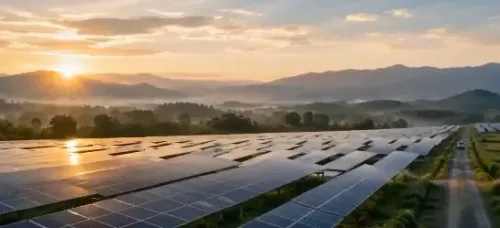
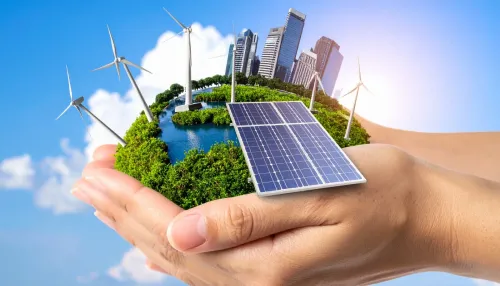
Storage systems play a critical role in balancing variable renewable supply — holding excess solar generation at midday and releasing it during evening demand peaks. As solar and wind power form a growing share of India's generation mix, the ministry's note argues that storage is becoming essential for reliable round-the-clock supply. Consumers are expected to benefit indirectly through greater storage availability, more efficient use of renewable capacity, and improved supply reliability.
What Happens Next
The ministry has opened the draft amendment for stakeholder comments. If finalised, the amendment would formally bring independent storage operators under the same statutory payment framework as power generators and transmission companies. Industry observers note that regulatory clarity on payment security has been a persistent bottleneck for storage project financing in India, and this amendment — if enacted — would represent a meaningful structural fix ahead of the country's accelerating grid storage build-out.
Point of View
And project finance for storage has been constrained in part by exactly this regulatory gap. The critical question now is speed of enactment and enforcement rigour; India's DISCOM sector has a persistent track record of late payments, and statutory protection is only as strong as the regulator's willingness to invoke it.
NationPress
11 Nov 2026
Frequently Asked Questions
What is the Power Ministry's proposed amendment to the LPS Rules?
The Ministry of Power has proposed amending the Electricity (Late Payment Surcharge and Related Matters) Rules, 2022 to extend statutory late payment protections to independent energy storage service providers. Currently, these protections cover only power generators, transmission companies, and electricity traders — leaving standalone storage operators without statutory recourse when DISCOMs delay payments.
Why are independent energy storage companies not protected under current rules?
Under the existing LPS Rules, storage systems owned by a generator are treated as part of the generator and are already covered. However, storage owned and operated by an independent company — not attached to any generator, transmission, or distribution licensee — falls outside the rules' scope and has no statutory payment security beyond its contract.
How does the late payment surcharge mechanism work?
Payment is due as per the power purchase agreement, or within 45 days of billing if the agreement is silent. Late payment interest begins at the SBI one-year lending rate plus 5%, rising 0.5% per month of delay, capped at 3% above the starting rate. DISCOMs must maintain a Letter of Credit as security, and persistent defaulters can be barred from short-term power markets.
What is India's target for energy storage capacity by 2035-36?
Battery Energy Storage System capacity is projected to grow from approximately 15 GWh in October 2026 to 321 GWh by 2035-36. Pumped Hydro Storage capacity is expected to expand from 44 GWh in September 2026 to 630 GWh over the same period, requiring large-scale private investment.
Will the amendment affect consumers or DISCOMs that pay on time?
DISCOMs that pay on time are unaffected — the amendment creates no new charge and the surcharge only activates on delayed payments. Consumers are expected to benefit indirectly through greater storage capacity, more efficient use of solar and wind power, and improved grid reliability over time.