Pradhan Addresses Conclave of State Education Ministers in Delhi
Synopsis
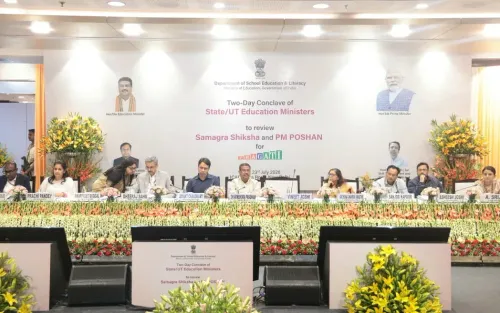
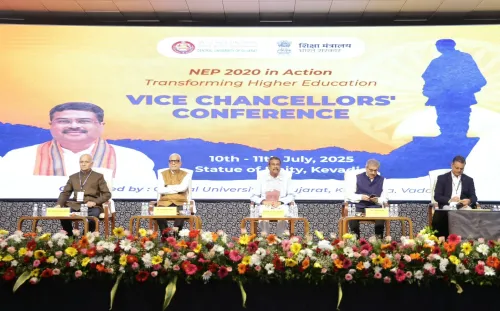
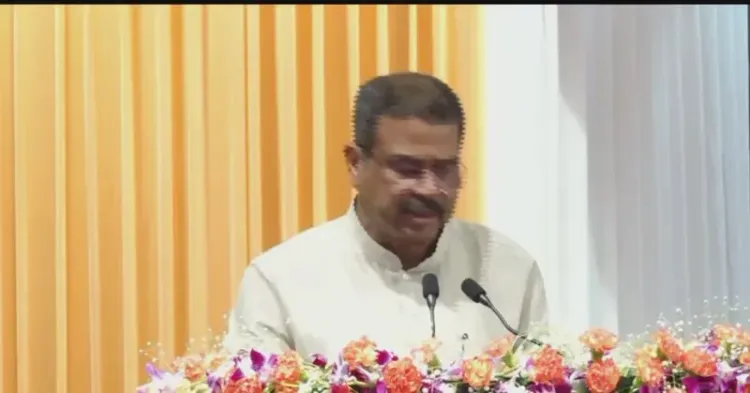
Union Education Minister Dharmendra Pradhan addressed the Conclave of State and UT Education Ministers in New Delhi on 22 July 2026, convening a high-level central-state forum to align on NEP 2020 implementation, Samagra Shiksha funding, and education policy execution across India's diverse state systems.
Key Takeaways
Union Education Minister Dharmendra Pradhan addressed the Conclave of State and UT Education Ministers live from New Delhi on 22 July 2026 .
The conclave is a periodic central-state consultation forum, necessitated by education being a concurrent subject under the Indian Constitution.
The National Education Policy 2020 , approved in July 2020 , sets a reform vision through 2040 covering school structure, foundational literacy, and vocational education from Class 6 .
Samagra Shiksha Abhiyan , launched in 2018 , is the unified funding vehicle for school education and a key agenda item at such ministerial meetings.
State-level NEP implementation roadmaps and any fresh funding or regulatory guidelines emerging from the conclave are the primary outcomes to watch.
Union Education Minister Dharmendra Pradhan addressed the Conclave of State and Union Territory Education Ministers in New Delhi on Wednesday, 22 July 2026, livestreaming the proceedings directly from the national capital. The conclave brings together education ministers from across India's states and UTs for a high-level central-state dialogue on policy alignment and implementation.
Context
Education is a concurrent subject under the Indian Constitution, meaning both the Centre and states share legislative and administrative responsibility. This structural reality makes periodic ministerial conclaves essential for bridging policy design at the national level with ground-level execution across 28 states and 8 Union Territories. The July 2026 conclave is the latest in a series of such forums convened by the Ministry of Education to foster that alignment.
Pradhan, who has served as Union Education Minister since 2021, has consistently used these platforms to push for accelerated adoption of the National Education Policy (NEP) 2020 — the most sweeping overhaul of India's education framework since the 1986 policy.
Policy Backdrop
The National Education Policy 2020, approved by the Union Cabinet in July 2020, sets a long-term vision through 2040 for restructuring both school and higher education. Its key pillars include foundational literacy and numeracy, multidisciplinary learning, mother-tongue-based instruction in early years, and the introduction of vocational education from Class 6.
Underpinning school-level delivery is the Samagra Shiksha Abhiyan, launched in 2018 by merging three earlier schemes — Sarva Shiksha Abhiyan (SSA), Rashtriya Madhyamik Shiksha Abhiyan (RMSA), and Teacher Education (TE) — into a single unified programme. State education departments rely heavily on Samagra Shiksha funding, giving such conclaves significant financial stakes alongside their policy dimensions.
Stakeholders and Impact
The conclave's most direct stakeholders are state and UT education departments, school administrators, and the millions of students whose learning outcomes depend on how effectively central frameworks are translated into classroom practice. Divergences in curriculum design, digital infrastructure, and teacher training across states remain persistent challenges that forums like this are meant to address.
Successive governments have used ministerial conclaves to secure state buy-in for centrally sponsored schemes, negotiate funding roadmaps, and harmonise regulatory approaches — particularly as NEP 2020 mandates significant changes to assessment patterns, the school structure, and higher education governance simultaneously.
What's Next
Observers will watch closely for any fresh directives on NEP implementation timelines, revisions to Samagra Shiksha funding norms, or new guidance on digital and vocational education infrastructure. State-level implementation roadmaps have varied considerably, and the July 2026 conclave could serve as a checkpoint for course-correcting lagging states. The Centre's ability to build consensus at such forums will be a key indicator of how swiftly India's education overhaul moves from policy text to measurable outcomes in classrooms.
Point of View
Now six years into its rollout. Pradhan's decision to livestream the proceedings signals an intent to project transparency and urgency around implementation. With states at markedly different stages of NEP adoption, the Centre is using these forums to both incentivise compliance and signal political accountability. The conclave fits into a broader BJP governance pattern of using high-visibility central-state summits to drive federally designed reform agendas through cooperative federalism.
NationPress
23 Jul 2026
Frequently Asked Questions
What is the Conclave of State and UT Education Ministers?
It is a periodic forum convened by India's Ministry of Education where education ministers from all states and Union Territories meet with the Union Education Minister to align on policy implementation, funding norms, and regulatory issues under centrally sponsored education schemes.
What is NEP 2020 and why does it matter for states?
The National Education Policy 2020 is a Cabinet-approved framework that replaced India's 1986 education policy. It mandates sweeping changes to school structure, assessment, mother-tongue instruction, and vocational education, all of which require active state-level action to implement.
What is Samagra Shiksha Abhiyan?
Samagra Shiksha Abhiyan is a centrally sponsored scheme launched in 2018 by merging three earlier programmes — SSA, RMSA, and Teacher Education — into a single unified framework to support school education from pre-primary to Class 12.
Why is Dharmendra Pradhan hosting this conclave in July 2026?
The conclave serves as a checkpoint for NEP 2020 implementation progress across states and UTs, with the Centre seeking to harmonise curricula, digital infrastructure, and funding utilisation ahead of the policy's mid-term horizon.
What outcomes are expected from the July 2026 Education Ministers Conclave?
Potential outcomes include fresh guidelines on NEP implementation timelines, revised Samagra Shiksha funding norms, and new directions on digital and vocational education — though specific decisions from this conclave have not yet been officially confirmed.