Pradhan marks 12 years of PMGKAY, calls it dignity for the poor
Synopsis
Union Education Minister Dharmendra Pradhan marked twelve years of PMGKAY on June 8, 2026, calling the free food grain scheme a promise of dignity and security for India's poor, not merely pandemic relief.
Key Takeaways
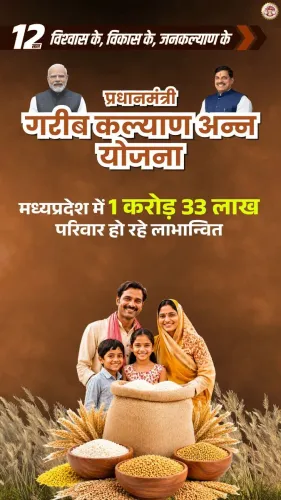
Dharmendra Pradhan posted on June 8, 2026 to mark 12 years of PMGKAY , describing it as a guarantee that no poor person sleeps hungry.
PMGKAY was launched in March 2020 by PM Narendra Modi as a COVID-19 relief measure, providing 5 kg of free grains per person per month on top of NFSA entitlements.
The scheme builds on the National Food Security Act, 2013 , which covers approximately 67 percent of India's population through the public distribution system.
Pradhan framed PMGKAY not as charity but as a promise of dignity and security , consistent with the BJP's broader welfare communication strategy.
The anniversary messaging raises questions about potential further extensions or structural integration of PMGKAY with revised PDS norms.
Union Education Minister Dharmendra Pradhan on Monday, June 8, 2026, invoked the Pradhan Mantri Garib Kalyan Anna Yojana (PMGKAY) to mark twelve years of what he described as a guarantee of food, dignity, and security for every poor household in India.
Context
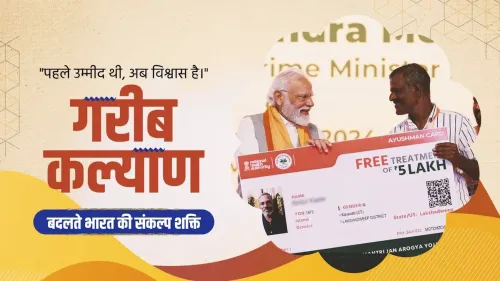
Posting on X under the hashtag #12YearsOfGaribKalyan, Pradhan wrote that the scheme had ensured food reached the doorstep of every person in need during times of crisis, so that 'koi bhi garib bhookha na soye' (no poor person sleeps hungry). He described PMGKAY not merely as relief, but as 'a promise to live life with dignity and security.'
The minister's post carries an attached video, underlining the government's effort to mark the occasion with visual outreach across social media platforms.
Policy Backdrop
PMGKAY was first announced by Prime Minister Narendra Modi in March 2020 as part of an emergency relief package responding to the COVID-19 pandemic. The scheme provided 5 kg of free food grains per person per month over and above the entitlements already guaranteed under the National Food Security Act (NFSA), 2013, which covers approximately 67 percent of India's population through the public distribution system.
The NFSA had converted food security into a legal right for eligible households, and PMGKAY built on that foundation by layering an additional, fully free allocation during a period of acute economic distress. The central government extended the scheme in multiple phases beyond its original timeline, making it one of the longest-running pandemic-era welfare interventions.
The BJP government has consistently positioned direct in-kind food transfers as a cornerstone of its social sector record since 2014, and PMGKAY became a prominent exhibit in that narrative during and after the pandemic years.
Stakeholders and Impact
The primary beneficiaries of PMGKAY are NFSA cardholders — predominantly low-income and below-poverty-line households spread across urban and rural India. At its peak, the scheme covered a substantial share of the country's population, making it one of the largest food security interventions in the world by reach.
For households that lost livelihoods during pandemic-related lockdowns, the free grain allocation served as a critical consumption buffer. Pradhan's framing — emphasising 'dignity' alongside relief — reflects the government's broader communication strategy of presenting welfare delivery not as charity but as an entitlement-based social contract.
What's Next
The hashtag and ministerial messaging signal that the ruling party intends to use the twelve-year milestone as a political and policy landmark, reinforcing PMGKAY's place in the BJP's welfare record ahead of future electoral cycles. Analysts and opposition voices will likely scrutinise whether the anniversary messaging is accompanied by concrete announcements — such as further extension of the scheme, revision of NFSA beneficiary lists, or integration of PMGKAY with updated public distribution system norms. Any cabinet or parliamentary decision on the scheme's future architecture will be closely watched by food security advocates and state governments that administer distribution on the ground.
Point of View
' the messaging attempts to elevate a crisis-response scheme into a standing entitlement, blurring the line between emergency intervention and permanent policy. The twelve-year framing is notable: it counts from the NFSA's passage in 2013, effectively claiming the UPA-era legislative foundation as a launchpad for BJP-era delivery. Whether the anniversary produces new policy substance or remains symbolic will determine how much political capital the party extracts from it.
NationPress
19 Sept 2026
Frequently Asked Questions
What is Pradhan Mantri Garib Kalyan Anna Yojana?
Pradhan Mantri Garib Kalyan Anna Yojana (PMGKAY) is a central government scheme launched in March 2020 to provide free food grains — 5 kg per person per month — to National Food Security Act beneficiaries, initially as a COVID-19 relief measure and later extended in multiple phases.
Who launched PMGKAY and when?
PMGKAY was announced by Prime Minister Narendra Modi in March 2020 as part of an emergency economic relief package in response to the COVID-19 pandemic.
How many people does PMGKAY cover?
PMGKAY covers National Food Security Act cardholders, who represent approximately 67 percent of India's population, making it one of the largest food security programmes in the world by reach.
Why is Dharmendra Pradhan talking about PMGKAY?
Union Education Minister Dharmendra Pradhan posted on X on June 8, 2026, to mark twelve years of the welfare scheme, calling it a guarantee of dignity and security for India's poor under the hashtag #12YearsOfGaribKalyan.
Will PMGKAY be extended further?
No official announcement on further extension has been confirmed. Analysts are watching for any cabinet or parliamentary decision on integrating PMGKAY with revised public distribution system norms following the anniversary messaging.