Pradhan Discusses NEP2020 Implementation With SAI International Chief
Synopsis
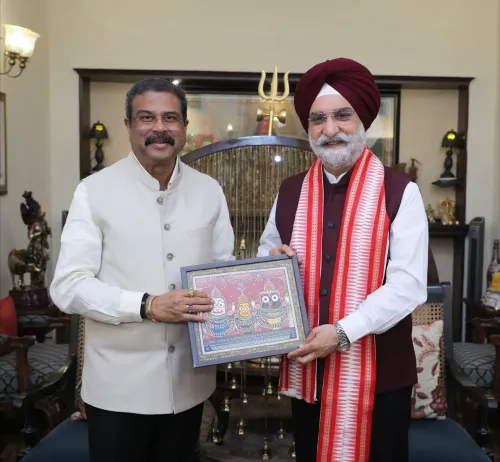
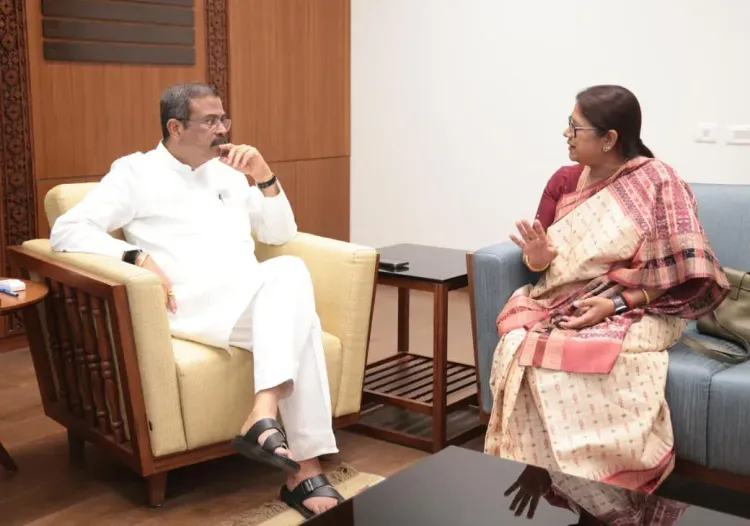
Union Education Minister Dharmendra Pradhan met Dr. Silpi Sahoo of SAI International Education Group on 25 May 2026 to discuss NEP2020 implementation, covering foundational learning, Indian languages, skill education, nutrition, and fee transparency in private schools.
Key Takeaways
Dharmendra Pradhan held a discussion with Dr.
Silpi Sahoo , Chairperson of SAI International Education Group , on 25 May 2026 .
The meeting centred on implementing NEP2020 , including foundational learning, skill-oriented education, and promotion of Indian languages.
Nutrition standards and fee transparency in private schools were explicitly part of the agenda.
Both sides discussed building an education ecosystem rooted in Indian values while preparing students for global opportunities.
The meeting is part of the Ministry's sustained engagement with private school networks to drive NEP2020 adoption.
NIPUN Bharat , launched in 2021 , targets foundational literacy and numeracy for all children by 2026-27 as a core NEP2020 deliverable.
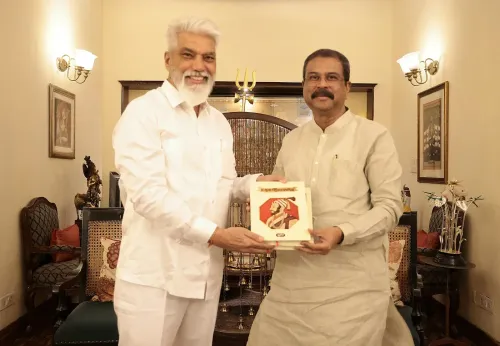
Union Education Minister Dharmendra Pradhan held a constructive discussion with Dr. Silpi Sahoo, Chairperson of SAI International Education Group, on Monday, 25 May 2026, focusing on the ground-level implementation of the National Education Policy 2020 (NEP2020). The meeting covered a broad range of priorities including foundational learning, skill-oriented education, promotion of Indian languages, social participation, nutrition, and fee transparency.
Context
The meeting between Pradhan and Dr. Sahoo reflects the Ministry of Education's ongoing engagement with private school networks to align institutional practices with the NEP2020 framework. SAI International Education Group, an Odisha-based private school chain operating under CBSE and international curricula, represents a significant segment of the organised private schooling sector. Such consultations have become a recurring feature of the Ministry's implementation strategy, bringing together policymakers and institutional leaders to identify gaps and share feedback.
Policy Backdrop
The National Education Policy 2020 was approved by the Union Cabinet in July 2020, replacing the 1986 National Policy on Education. It introduced a restructured 5+3+3+4 curricular framework with a strong emphasis on mother-tongue-based instruction in early years, integration of vocational skills, and value-rooted pedagogy. A key operational arm of NEP2020 is the NIPUN Bharat mission, launched in 2021, which targets universal foundational literacy and numeracy among children by 2026-27.
The discussion between Pradhan and Dr. Sahoo touched on several pillars directly linked to these policy commitments — strengthening foundational learning aligns with NIPUN Bharat goals, while the emphasis on Indian languages echoes the policy's multilingualism mandate. The agenda items of nutrition and fee transparency signal the Ministry's intent to extend NEP2020's equity framework into the private school ecosystem, areas that have drawn sustained attention from parent groups and civil society.
Stakeholders and Impact
Private school networks, students, and parents stand at the centre of this conversation. For institutions like SAI International Education Group, aligning with NEP2020 means revisiting curriculum design, language-of-instruction policies, and fee disclosure norms. For parents and students, the emphasis on skill-oriented learning and Indian values alongside preparation for 'emerging global opportunities' — as Pradhan described it — signals a dual-track approach: grounding students in local context while keeping them competitive internationally.
The inclusion of nutrition on the meeting agenda is notable, as it extends the policy conversation beyond curriculum into the welfare infrastructure of schools, particularly relevant for private institutions not covered by the government's midday meal programme. Fee transparency has been a long-standing demand from parent associations across urban and semi-urban India.
What's Next
The Ministry of Education is expected to continue similar consultations with other private school chains and education groups as part of its broader NEP2020 rollout calendar. State governments are simultaneously at varying stages of revising school curricula and teacher-training frameworks in line with the new policy. Possible amendments to fee regulation norms and nutrition standards for private schools could emerge as agenda items in upcoming parliamentary sessions. The outcome of stakeholder consultations such as this one is likely to inform those legislative and administrative decisions.
Point of View
The Ministry signals an intent to extend accountability norms into the private schooling space, which has historically resisted regulatory oversight. The Odisha connection — SAI International is based in Odisha, Pradhan's home state — adds a regional dimension to what is otherwise framed as a national policy conversation. Sustained stakeholder engagement of this kind typically precedes regulatory or legislative action, making these consultations worth tracking closely.
NationPress
20 Oct 2026
Frequently Asked Questions
What is NEP2020 and what does it change about Indian education?
The National Education Policy 2020 is a Cabinet-approved framework that replaced India's 1986 education policy. It introduced a new 5+3+3+4 school structure, emphasised mother-tongue-based instruction in early years, integrated vocational skills from middle school, and prioritised value-based education rooted in Indian traditions.
Who is Dr. Silpi Sahoo and what is SAI International Education Group?
Dr. Silpi Sahoo is the Chairperson of SAI International Education Group, an Odisha-based private school network that operates CBSE and international curriculum schools. She met Union Education Minister Dharmendra Pradhan on 25 May 2026 to discuss NEP2020 implementation.
What did Dharmendra Pradhan and Dr. Silpi Sahoo discuss?
They discussed strengthening foundational learning, making education more skill-oriented, encouraging Indian languages, ensuring greater social participation, and addressing nutrition and fee transparency issues — all within the context of implementing NEP2020.
What is NIPUN Bharat and how does it relate to NEP2020?
NIPUN Bharat is a mission launched in 2021 under the Ministry of Education to achieve universal foundational literacy and numeracy among children by 2026-27. It is a core operational programme under the NEP2020 framework.
Why is fee transparency important in the context of NEP2020?
Fee transparency has been a longstanding demand from parents of students in private schools. NEP2020's equity goals extend beyond curriculum to the affordability and accountability of private institutions, making fee disclosure norms a key implementation issue for the Ministry of Education.