Pradhan Pays Tribute to RSS Chief Golwalkar on Punyatithi
Synopsis
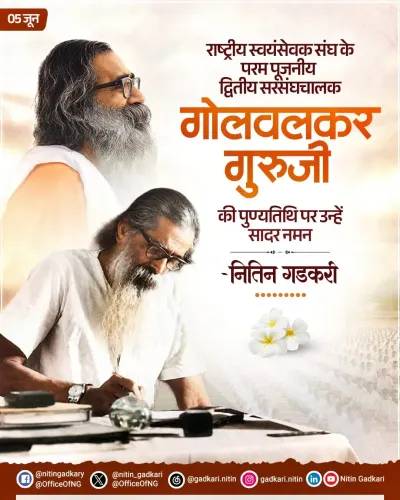
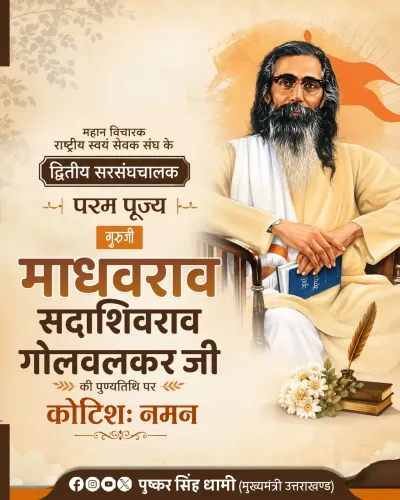
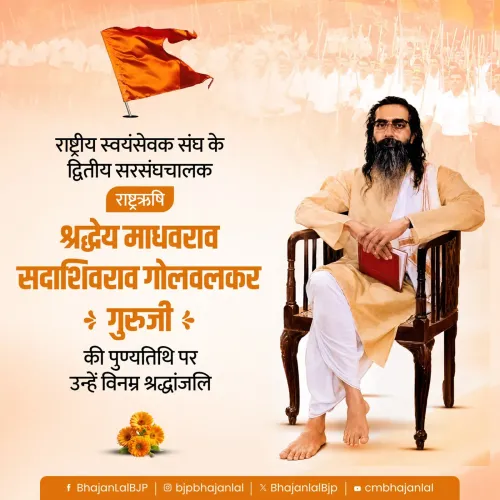
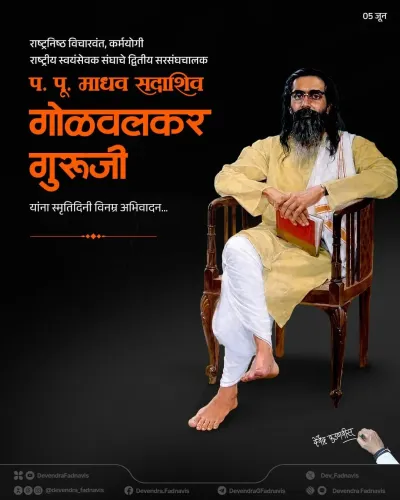
Union Education Minister Dharmendra Pradhan on 5 June 2026 paid homage to RSS second Sarsanghchalak M.S. Golwalkar on his death anniversary, describing him as an enduring source of inspiration for cultural consciousness, organisational strength, and nation-building in India.
Key Takeaways
Dharmendra Pradhan posted a tribute to M.S.
Golwalkar on X on 5 June 2026 , his punyatithi .
Golwalkar led the RSS from 1940 to 1973 , succeeding founder K.B.
Pradhan described Golwalkar's legacy as illuminating the path of nation-building through cultural consciousness and organisational discipline.
The post was tagged to @RSSorg , underlining the BJP's sustained public interface with the RSS on matters of national identity.
BJP cabinet ministers routinely mark RSS chief death anniversaries, affirming the party's ideological lineage.
Observers will track whether Golwalkar's thought influences NEP curriculum frameworks planned for 2026-27 .
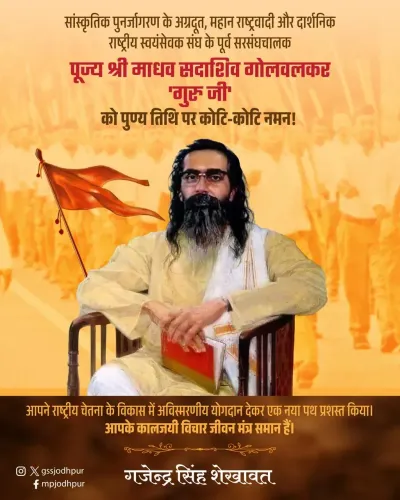
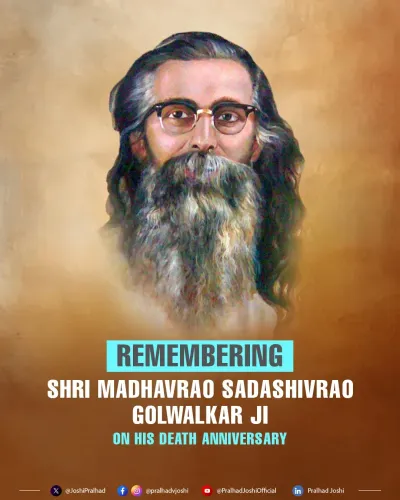
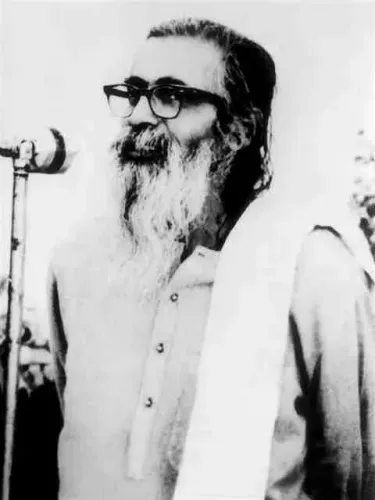
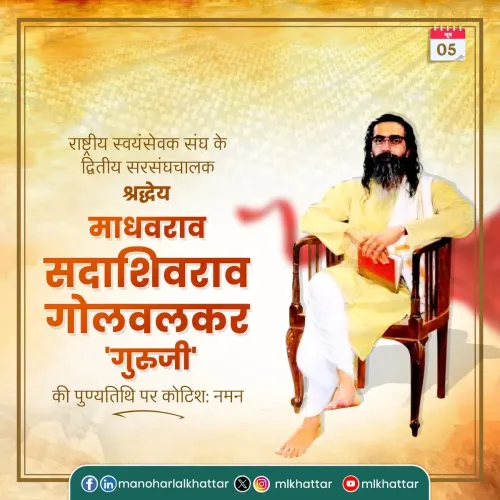
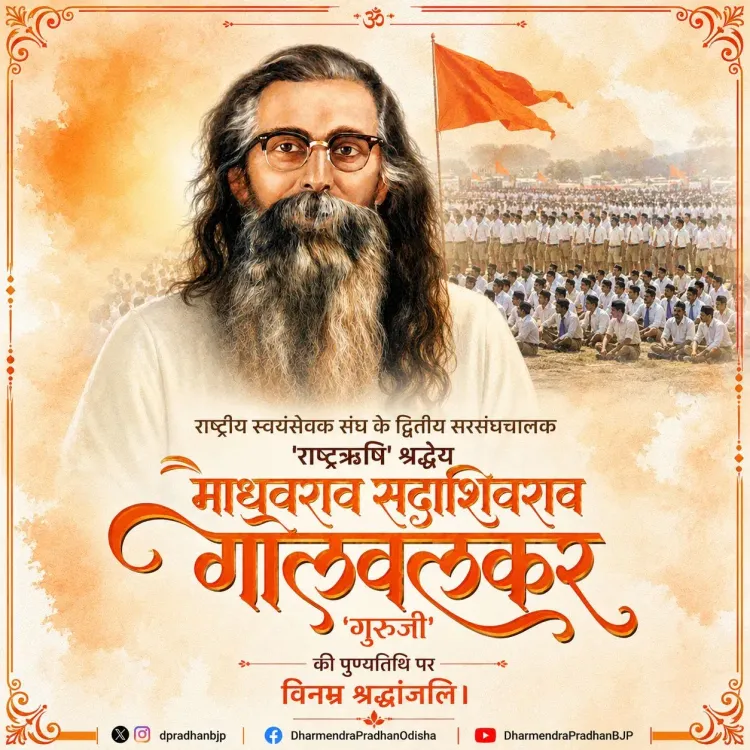
Union Education Minister Dharmendra Pradhan on Friday, 5 June 2026 paid tribute to Madhavrao Sadashivrao Golwalkar, the second Sarsanghchalak of the Rashtriya Swayamsevak Sangh (RSS), on his death anniversary, hailing the ideologue as an enduring source of inspiration for nation-building.
Context
Posting on X and tagging @RSSorg, Pradhan wrote in Hindi: 'राष्ट्रजीवन को सांस्कृतिक चेतना, संगठन शक्ति और आत्मगौरव का मार्ग दिखाने वाले... परम पूज्य माधवराव सदाशिवराव गोलवलकर 'गुरुजी' को उनकी पुण्यतिथि पर कोटि-कोटि नमन करता हूँ।' ('I offer countless salutations to the revered Madhavrao Sadashivrao Golwalkar 'Guruji' — who showed the path of cultural consciousness, organisational strength, and self-pride to national life — on his death anniversary.')
The minister further described Golwalkar's life as having given the nation 'self-awareness, cultural self-respect, and a consciousness of organisation that continues to illuminate the path of nation-building even today.' He called Golwalkar's 'ascetic life, far-sighted thought, and unwavering dedication to the motherland' an inexhaustible source of inspiration.
Policy Backdrop
Golwalkar, popularly known as 'Guruji', led the RSS from 1940 until his death in 1973, succeeding founder K.B. Hedgewar. Under his three-decade stewardship, the organisation expanded its shakha (branch) network across India and crystallised its ideological emphasis on cultural nationalism, disciplined cadre formation, and Hindu civilisational identity.
BJP office-bearers, including serving cabinet ministers, have a well-established practice of publicly marking the death anniversaries of past RSS chiefs. These observances serve to affirm the ruling party's ideological lineage and reinforce themes of cultural pride and organisational discipline — themes that have also surfaced in the government's stated priorities around education and heritage preservation.
Stakeholders and Impact
The tribute carries particular resonance coming from the Union Education Minister, given ongoing discussions around the integration of Indian cultural and civilisational values into the National Education Policy (NEP) framework. Golwalkar's emphasis on atmabodh (self-awareness) and cultural self-respect echoes the NEP's stated goals of rooting education in India's knowledge traditions.
For the RSS and its vast volunteer network, ministerial acknowledgements of this kind reinforce the organisation's ideological contributions to the broader national discourse. BJP leaders and RSS volunteers across the country similarly mark 5 June each year as Golwalkar's punyatithi (death anniversary).
What's Next
Observers will watch whether Golwalkar's writings or philosophical positions are cited in forthcoming state-level curriculum frameworks and NEP implementation documents scheduled for the 2026-27 academic cycle. Pradhan's tribute, framed in the language of cultural consciousness and nation-building, signals that the ideological current associated with Golwalkar remains a reference point for education policy articulation at the highest levels of government.
Point of View
The invocation of Golwalkar's themes of cultural self-awareness and nation-building carries policy undertones, particularly as NEP implementation enters its curriculum-revision phase. The gesture reinforces the BJP's long-standing strategy of maintaining visible continuity between its governmental role and its organisational roots in the Sangh Parivar. It also reflects a broader pattern in which cultural nationalism is presented not merely as heritage but as an active framework for contemporary institution-building.
NationPress
22 Oct 2026
Frequently Asked Questions
Who is M.S. Golwalkar and why is he remembered?
Madhavrao Sadashivrao Golwalkar , known as 'Guruji', was the second Sarsanghchalak of the RSS, leading the organisation from 1940 to 1973 . He is remembered for expanding the RSS's volunteer network and articulating its ideology of cultural nationalism and Hindu civilisational identity.
Why did Dharmendra Pradhan pay tribute to Golwalkar?
5 June is observed as Golwalkar's punyatithi (death anniversary). Pradhan, as a senior BJP leader and Union Education Minister, paid tribute in keeping with the party's established practice of publicly honouring past RSS chiefs on their death anniversaries.
What did Dharmendra Pradhan say about Golwalkar?
Pradhan said Golwalkar gave the nation 'cultural consciousness, organisational strength, and self-pride,' and that his 'ascetic life, far-sighted thought, and unwavering dedication to the motherland' remain an inexhaustible source of inspiration for nation-building.
What is the RSS and what is a Sarsanghchalak?
The Rashtriya Swayamsevak Sangh (RSS) is a Hindu nationalist volunteer organisation founded in 1925 . The Sarsanghchalak is its supreme chief; Golwalkar was the second person to hold that position, succeeding founder K.B. Hedgewar .
How does Golwalkar's legacy relate to India's education policy?
Golwalkar's emphasis on cultural self-awareness and India's civilisational identity resonates with themes in the National Education Policy (NEP) , which stresses rooting education in Indian knowledge traditions. As Education Minister, Pradhan's tribute signals that this ideological current remains relevant to policy discussions.