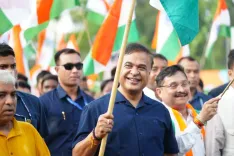
Pralhad Joshi: India now world's third-largest startup hub
Synopsis
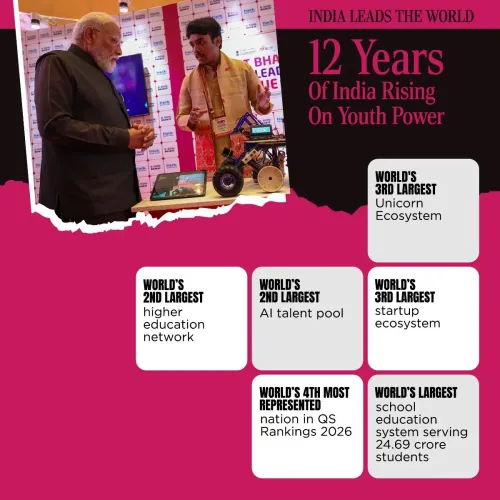
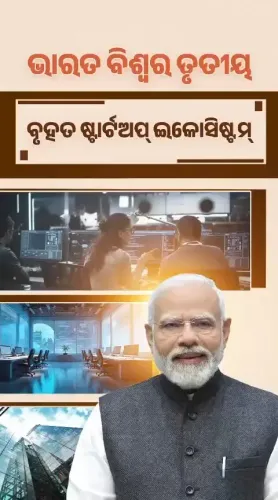
Union Minister Pralhad Joshi declared on Independence Day eve that India has become the world's third-largest startup ecosystem, crediting PM Modi's Startup India initiative launched in January 2016 with delivering on a decade-old promise to founders and innovators.
Key Takeaways
Union Minister Pralhad Joshi posted on 14 August 2026 that India is now the world's third-largest startup ecosystem .
The claim is linked to the Startup India initiative launched by PM Narendra Modi on 16 January 2016 .
The programme is administered by DPIIT and provides tax benefits, self-certification, and easier compliance for recognised startups.
India's DPIIT-recognised startup count and unicorn tally have grown consistently since 2016 alongside regulatory easing and rising venture funding.
The precise third-place global ranking as of August 2026 originates from the minister's post and has not been independently verified here.
The next DPIIT annual report and any changes to startup tax or compliance rules are the key indicators to watch.
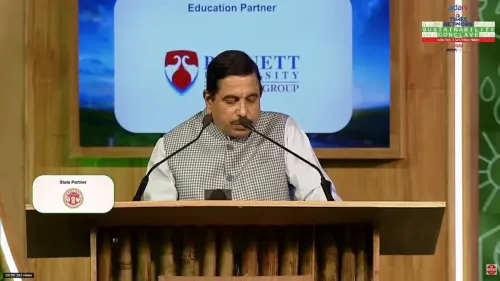
Ten years after a government promise was written into policy, Union Consumer Affairs Minister Pralhad Joshi is pointing to a milestone that startup founders across India have been waiting to claim: the country has risen to become the world's third-largest startup ecosystem. Joshi made the assertion on 14 August 2026, on the eve of Independence Day, crediting the achievement to the leadership of Prime Minister Narendra Modi.
From a 2016 launch to a global top-three ranking
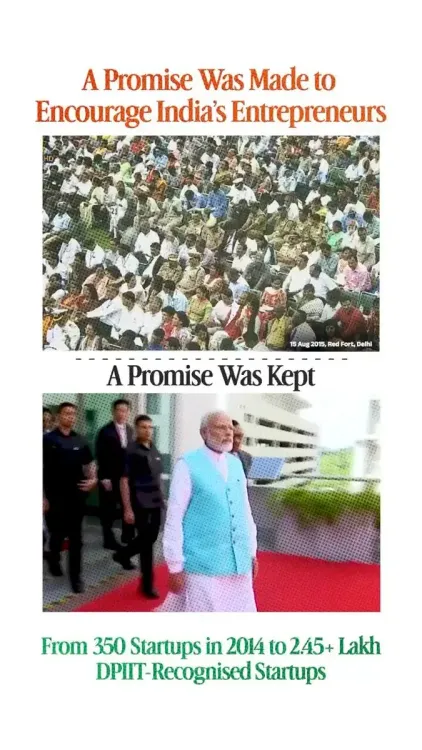
The story traces back to 16 January 2016, when Prime Minister Modi launched the Startup India initiative with an explicit promise: build a policy architecture that turns India into a destination for innovation-driven enterprise. The programme, administered through the Department for Promotion of Industry and Internal Trade (DPIIT), opened a formal recognition window for startups — unlocking tax benefits, self-certification norms, and easier winding-up rules.
In the decade since, the number of DPIIT-recognised startups and Indian unicorns has grown sharply, driven by successive rounds of regulatory easing and a surge in domestic venture funding. Joshi's post frames that trajectory as a promise-to-delivery arc: 'A promise made. A promise delivered.'
Why the third-place claim matters on Independence Day eve
Posting on the eve of Independence Day is deliberate political timing — it anchors an economic achievement to the national mood of stock-taking. The BJP has consistently positioned the startup boom as evidence that its 'New India' framing has produced measurable results, not just rhetoric. For Minister Joshi, a senior Karnataka leader who also holds the New and Renewable Energy portfolio, aligning startup growth with Modi's leadership reinforces the party's broader narrative ahead of any electoral cycle.
The research note flags that India's precise global ranking as of August 2026 is unverified from available data — the third-place claim originates from Joshi's post itself and has not been independently cross-checked here. What is documented is the consistent upward trend in startup registrations and funding since the initiative launched.
What founders and investors are watching next
The next DPIIT annual report on startup registrations and funding flows will be the hard test of the ranking claim. Equally important: any updates to tax treatment or compliance rules that affect early-stage ventures. The ecosystem's depth — not just headcount of registered startups, but the quality of exits, the spread across Tier-2 cities, and the share of deep-tech ventures — will determine whether the third-place position holds and whether it translates into durable economic weight.
For now, the Minister's message is unambiguous: Startup India is not a scheme anniversary to be noted quietly — it is, in the government's telling, a structural transformation of the Indian economy.
Point of View
Using a milestone economic claim to reinforce the BJP's 'New India' brand ahead of any electoral cycle. The Startup India initiative is one of the Modi government's most visible economic identity markers, and elevating India to a global top-three ranking — even if the precise figure awaits independent verification — feeds directly into a decade-long narrative of governance-as-delivery. For the opposition, the challenge will be to interrogate the depth of that ecosystem: registered startups are a count, but funding quality, Tier-2 penetration, and deep-tech share are the harder metrics. The minister's framing of 'promise made, promise delivered' signals that the government intends to run this achievement as a centrepiece of its economic record.
NationPress
14 Aug 2026
Frequently Asked Questions
What is the Startup India initiative?
Startup India is a government programme launched by Prime Minister Narendra Modi on 16 January 2016 to build a supportive ecosystem for innovation-driven enterprises, offering DPIIT recognition, tax benefits, self-certification, and easier compliance to eligible startups.
Is India really the world's third-largest startup ecosystem?
Union Minister Pralhad Joshi made this claim on 14 August 2026. The precise global ranking as of that date has not been independently verified in this report; the claim originates from the minister's post.
What has DPIIT done for Indian startups?
DPIIT administers the Startup India scheme, providing formal recognition that unlocks tax exemptions, self-certification under labour and environmental laws, faster patent examination, and simpler winding-up procedures for eligible startups.
How many startups does India have?
The number of DPIIT-recognised startups and unicorns has grown significantly since 2016, though the precise current figure will be detailed in the next DPIIT annual report on startup registrations and funding trends.
Who is Pralhad Joshi?
Pralhad Joshi is a senior BJP leader from Karnataka and serves as Union Minister of Consumer Affairs, Food and Public Distribution, and Minister of New and Renewable Energy in the central government.