Pralhad Joshi pitches India-Egypt renewable energy tie-up at Cairo National Day
Synopsis
At Egypt's 74th National Day reception in New Delhi, Minister Pralhad Joshi announced a $12 billion bilateral trade target over five years and called for deep India-Egypt cooperation in renewable energy, green hydrogen, and power-market development, building on ties that stretch back to 1947.
Key Takeaways
Minister Pralhad Joshi attended the 74th National Day of Egypt in New Delhi on 13 July 2026 .
India has set a bilateral trade target of $12 billion with Egypt over the next five years .
Joshi offered to share India's expertise in competitive bidding, power markets, large-scale renewable energy, and green hydrogen .
India-Egypt diplomatic ties date to 1947 and were elevated during PM Modi's June 2023 visit to Cairo.
Egypt is seen as a gateway for Indian engagement with the African Continental Free Trade Area .
Follow-up action is expected through the India-Egypt Joint Trade Committee and potential MoUs on clean energy.
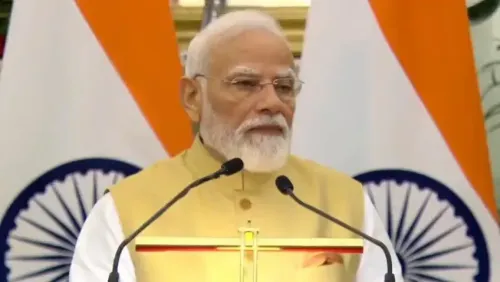
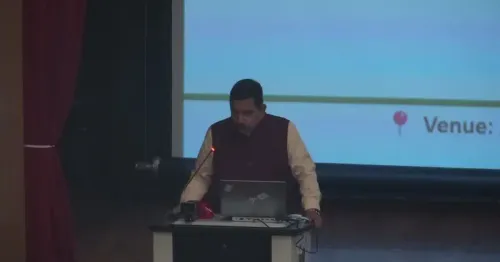
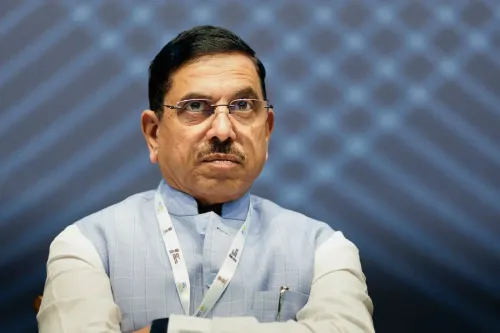
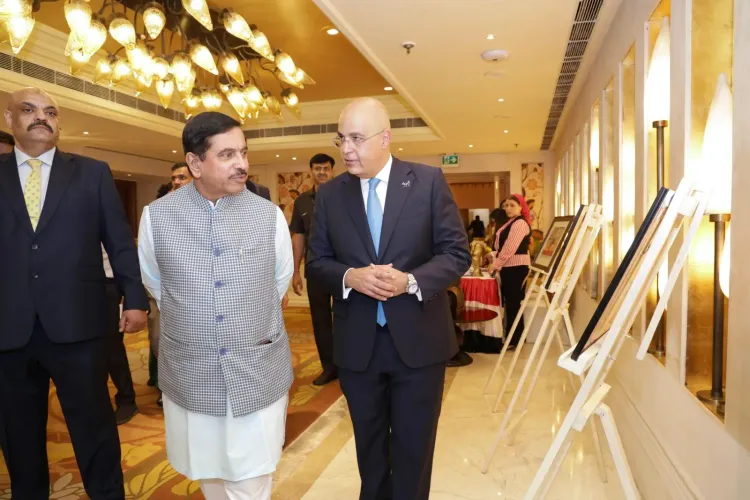
Union Consumer Affairs and New and Renewable Energy Minister Pralhad Joshi attended the 74th National Day celebrations of the Arab Republic of Egypt in New Delhi on 13 July 2026, where he addressed the gathering alongside Egyptian Ambassador Kamel Zayed Galal and underscored the expanding scope of bilateral cooperation between the two nations.
Context
Speaking at the reception, Minister Joshi conveyed 'warm congratulations to the people of Egypt' and also praised the Egyptian football team — the Pharaohs — on their 'memorable FIFA World Cup campaign.' The event brought together diplomats and officials in the capital, providing Joshi an occasion to articulate India's strategic and commercial priorities with Egypt.
Joshi noted that India and Egypt share a 'deep and historic partnership' that 'continues to grow across trade, investment and strategic sectors,' reflecting the long arc of ties between the two countries that date to 1947 and were deepened through the Non-Aligned Movement.
Policy Backdrop
The minister flagged an 'ambitious target' of taking bilateral trade to $12 billion over the next five years, signalling the scale of economic ambition both sides are pursuing. This builds on the momentum from Prime Minister Narendra Modi's visit to Egypt in June 2023, when both nations agreed to upgrade bilateral trade and strategic cooperation.
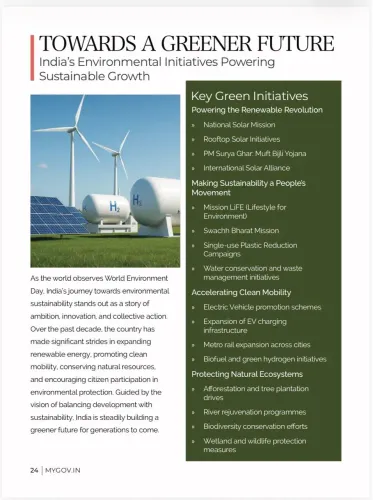
On renewable energy, Joshi said India is 'ready to share its experience in competitive bidding, power markets, large-scale renewable energy deployment, manufacturing and green hydrogen.' He added that India is equally 'keen to learn from Egypt's experience' and work on 'solutions suited to our shared development priorities,' framing the relationship as a two-way exchange rather than a one-directional technology transfer.
The emphasis on competitive bidding and power-market design mirrors frameworks India has championed through the International Solar Alliance, of which both India and Egypt are members. Egypt, which has invested heavily in large-scale solar and wind projects in the Suez Canal Economic Zone, is seen as a complementary partner for Indian clean-energy firms seeking to expand into Africa.
Stakeholders and Impact
Indian renewable energy companies, green hydrogen developers, and exporters across sectors stand to benefit if the bilateral trade and energy frameworks advance. Egypt's position as a gateway to the African Continental Free Trade Area makes it a strategically significant partner for Indian businesses looking to access broader African markets.
For Egyptian stakeholders, access to India's experience in large-scale solar auctions and competitive power procurement could inform domestic energy policy as Cairo pursues its own clean-energy transition targets. The exchange of expertise in green hydrogen — a sector both governments have prioritised — could yield joint manufacturing or export arrangements.
What's Next
Observers will watch for follow-up engagements through the India-Egypt Joint Trade Committee and any new memoranda of understanding on green hydrogen, solar manufacturing, or power-market reform. Joshi's remarks at a diplomatic reception, rather than a formal bilateral meeting, suggest these conversations are in an active preparatory phase. Whether the stated trade target translates into concrete sectoral agreements will be the key metric to track in the months ahead.
Point of View
With India explicitly saying it wants to 'learn from Egypt,' is a diplomatic touch that distinguishes this engagement from a transactional technology-export pitch.
NationPress
14 Jul 2026
Frequently Asked Questions
What did Pralhad Joshi say at Egypt's National Day event in New Delhi?
Minister Pralhad Joshi congratulated Egypt on its 74th National Day, praised the Pharaohs' FIFA World Cup campaign, announced a $12 billion bilateral trade target over five years, and offered India's expertise in renewable energy, competitive bidding, and green hydrogen.
What is India's bilateral trade target with Egypt?
India has set an ambitious target of taking bilateral trade with Egypt to $12 billion over the next five years, as stated by Minister Joshi at the National Day reception on 13 July 2026.
How old are India-Egypt diplomatic relations?
India and Egypt established diplomatic relations in 1947 and have maintained longstanding ties through forums such as the Non-Aligned Movement. The relationship was further elevated when PM Modi visited Egypt in June 2023.
What renewable energy cooperation is India offering Egypt?
India has offered to share its experience in competitive bidding, power-market design, large-scale renewable energy deployment, manufacturing, and green hydrogen, while also expressing interest in learning from Egypt's own clean-energy experience.
Why is Egypt strategically important for India's trade ambitions?
Egypt is viewed as a gateway to the African Continental Free Trade Area, making it a key partner for Indian businesses seeking access to broader African markets alongside the bilateral clean-energy and trade agenda.