Maharashtra sugar hoarding crackdown: 4,000-quintal cap, teams deployed statewide

Synopsis
Maharashtra has launched its most structured sugar supply-chain intervention in years — capping trader stocks at 4,000 quintals, mandating weekly portal updates, and deploying five-agency district squads through November 30. With historic sugar prices threatening festive-season inflation, the state is betting that real-time monitoring and on-the-ground raids can break speculative hoarding before Diwali.
Key Takeaways
Maharashtra issued a Government Resolution on 27 August 2026 ordering a statewide drive against illegal sugar hoarding.
Traders and distributors are capped at 4,000 quintals (400 metric tonnes) per location and cannot hold stock for more than 30 days .
Bulk consumers using more than 10 metric tonnes monthly are restricted to a 15-day supply in hand.
All sellers must register on the Food Stock Monitoring Portal and update inventory every Friday ; violations attract action under the Essential Commodities Act, 1955 .
Multi-agency district inspection teams — including police, supply officers, and legal metrology inspectors — have been deployed from Thursday .
The enforcement drive runs through 30 November 2026 , covering the full festive season.
The Maharashtra Department of Food, Civil Supplies, and Consumer Protection on Thursday, 27 August issued a high-level Government Resolution (GR) ordering an aggressive statewide enforcement drive against illegal sugar hoarding, as wholesale and retail sugar prices hit historic highs ahead of India's festive season. The action follows strict directives from the Union Ministry of Consumer Affairs and will remain in force through 30 November 2026.
Why the Crackdown Was Ordered
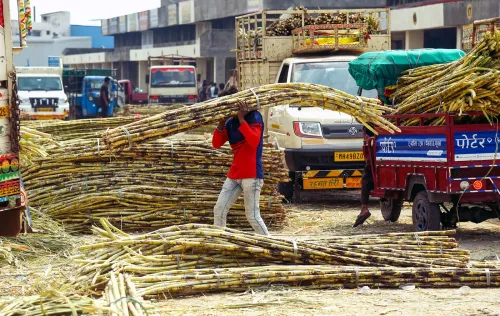
Unjustified ex-mill price hikes — driven by speculative trading, so-called 'paper trading' (transactions without physical stock movement), and inventory hoarding — have threatened to fuel severe food inflation at a time when demand typically surges. This is the state's most structured intervention in the sugar supply chain in recent years, deploying multi-agency task forces specifically to break artificial supply bottlenecks.
Stock Limits and Compliance Deadlines
The GR sets firm caps on permissible sugar holdings. Traders and distributors are prohibited from holding more than 4,000 quintals (400 metric tonnes) at any single location at any given time, and cannot retain stock for more than 30 days from the date of receipt. Bulk consumers — industrial users or commercial entities consuming more than 10 metric tonnes of sugar monthly as raw material — are barred from stocking beyond a 15-day supply.
All sellers and distributors must immediately register on the central Food Stock Monitoring Portal and update inventory data every Friday. Non-registration, incomplete reporting, or misrepresentation will be treated as a severe irregularity, inviting penal action under the Essential Commodities Act, 1955.
How the Inspection Teams Are Structured
Special inspection squads have been deployed across Maharashtra's districts from Thursday. Each district team is chaired by the District Supply Officer, supported by the District Deputy Registrar of Cooperative Societies, a representative from the Sugar Commissioner's office, a Legal Metrology Inspector, and a Police Officer of Superintendent or Inspector rank. For Mumbai and Thane, dedicated squads have been constituted under the Controller of Rationing and the Director of Civil Supplies.
Powers Granted to Inspection Teams
Teams are authorised to conduct physical stock counts at registered premises and warehouses, cross-examine purchase invoices, gate passes, and GST returns using Harmonised System of Nomenclature (HSN) codes, and photograph discrepancies. Any stock mismatch or breach of stock limits will be referred immediately to competent authorities for legal enforcement under the Essential Commodities Act.
What Comes Next
With the enforcement window running until 30 November 2026, the state's crackdown will span the entire peak festive period — covering Ganesh Chaturthi, Navratri, Diwali, and beyond. Whether the drive succeeds in stabilising retail prices will depend on the speed and consistency of district-level enforcement, and on whether the central portal's real-time data is acted upon rather than merely collected.
Point of View
HSN-code cross-checks, weekly portal updates — but the history of Essential Commodities Act enforcement in India is littered with well-drafted orders that faded after the first week of raids. The real stress test is whether district supply officers, who routinely work alongside the trade they are now tasked with policing, maintain inspection intensity through Diwali. Notably, the order targets the distribution layer but does not address ex-mill pricing directly; if mill-gate prices remain elevated, capping trader stocks may suppress hoarding without actually lowering what consumers pay. The Centre's role here also deserves scrutiny — directing states to enforce stock limits is a well-worn playbook, but without coordinated action on sugar export policy and cane pricing, downstream enforcement alone has limited reach.
NationPress
27 Aug 2026
Frequently Asked Questions
What is Maharashtra's sugar hoarding crackdown about?
Maharashtra has issued a Government Resolution ordering statewide enforcement against illegal sugar stocking, capping trader holdings at 4,000 quintals and deploying multi-agency inspection teams through 30 November 2026. The drive targets speculative trading and paper trading that have pushed sugar prices to historic highs ahead of the festive season.
What are the new sugar stock limits for traders in Maharashtra?
Traders and distributors cannot hold more than 4,000 quintals (400 metric tonnes) of sugar at any single location, nor retain stock for more than 30 days from receipt. Bulk consumers using over 10 metric tonnes monthly are restricted to a 15-day supply.
What happens if traders do not comply with the new sugar stocking rules?
Non-registration on the Food Stock Monitoring Portal, incomplete reporting, or misrepresentation will be treated as a severe irregularity. Violators face strict penal action under the Essential Commodities Act, 1955, with cases referred to competent authorities by inspection teams.
Who is leading the sugar inspection teams in Maharashtra?
District teams are chaired by the District Supply Officer and include the District Deputy Registrar of Cooperative Societies, a Sugar Commissioner's representative, a Legal Metrology Inspector, and a police officer of Superintendent or Inspector rank. Mumbai and Thane have dedicated squads under the Controller of Rationing and Director of Civil Supplies.
Why are sugar prices high ahead of the festive season?
According to the Maharashtra government, speculative trading, paper trading — transactions without physical stock movement — and inventory hoarding have driven unjustified ex-mill price hikes, pushing wholesale and retail sugar prices to historic highs in August 2026.