Maharashtra govt targets onion processing units, storage to steady prices
Synopsis
Maharashtra is betting on onion processing plants and FPO-run storage centres to break the cycle of price crashes — while simultaneously pushing the Centre to link sugarcane FRP with sugar's MSP. With ₹298 crore in FRP dues still unpaid from 2022-23 and three mills having cleared less than 60% of their obligations, the state's farm economy stress is far from over.
Key Takeaways
Maharashtra Marketing Minister Jaykumar Rawal on 9 July outlined plans to set up onion processing units, dehydration plants, and FPO-run storage centres at taluka and district levels.
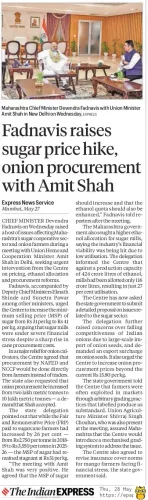
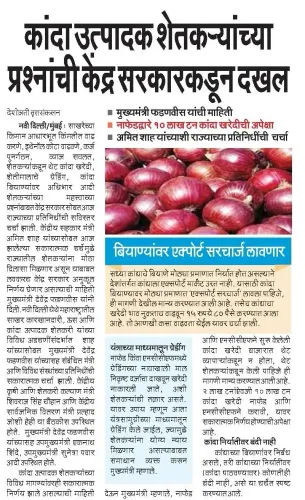
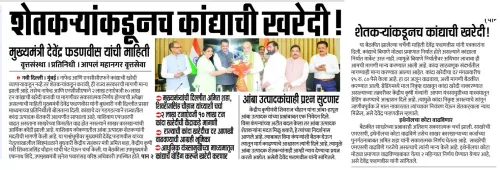
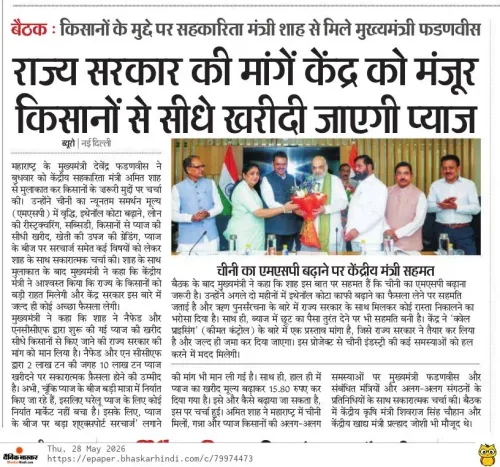
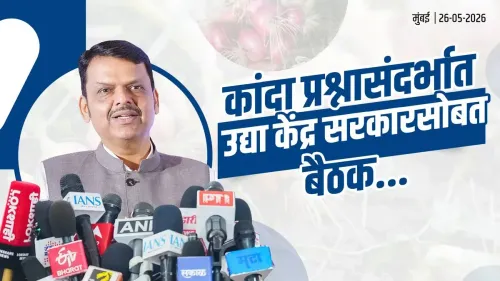
Chief Minister Devendra Fadnavis had earlier held a high-level meeting with the Centre, resulting in higher onion procurement targets, export incentives, and increased procurement prices.
Sugar mills across Maharashtra have cleared 99.26% of FRP dues; ₹298 crore remains unpaid from the 2022-23 crushing season.
Of 210 sugar mills, 162 have paid 100% of dues; three mills have paid less than 60% and face RRC proceedings .
The state has urged the Centre to link sugarcane FRP with sugar MSP and raise ethanol prices to ease industry stress.
Total state FRP payout for the season stands at nearly ₹40,000 crore , with only ₹298 crore pending.
Maharashtra Marketing Minister Jaykumar Rawal on Thursday, 9 July told the state legislature that the government has rolled out a multi-pronged strategy to shield onion farmers from price volatility, anchored on expanding processing industries, scaling up storage infrastructure, and promoting crop diversification. The minister was responding to a discussion initiated by member Vikram Kale on falling onion prices across the state.
Key Developments in the Legislature
The debate drew participation from senior members including Pravin Darekar, Satej Patil, and Neelam Gorhe, reflecting cross-party concern over the persistent instability in onion prices. Minister Rawal acknowledged that adverse international market conditions had previously suppressed onion exports, triggering a sharp crash in domestic prices.
In response to that crisis, Chief Minister Devendra Fadnavis convened a high-level meeting with the Centre, which resulted in decisions to raise onion procurement targets, introduce export incentive measures, and hike procurement prices. Maharashtra, which contributes a dominant share of India's total onion output, has seen production rise consistently — making price management an increasingly complex policy challenge.
Processing Units and Storage Expansion
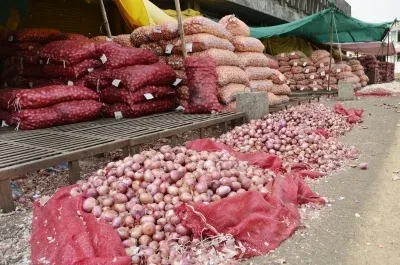
Minister Rawal outlined plans to promote onion processing industries, dehydration plants, and onion powder manufacturing units as long-term buffers against price crashes. A large number of onion storage structures have already been commissioned across the state to reduce post-harvest losses.
'Moving forward, the state government aims to establish regional onion processing centres through Farmer Producer Organisations (FPOs) at both the taluka and district levels,' the Minister said. He also confirmed that during past price collapses, the government directly credited subsidies into farmers' bank accounts across multiple phases. He assured the house that current market rates are satisfactory and that the government remains committed to ensuring stable returns for farmers.
Sugar Mills Clear 99.26% of FRP Dues
Separately, State Cooperation Minister Babasaheb Patil informed the Legislative Council during Question Hour that sugar mills across Maharashtra have cleared 99.26% of the Fair and Remunerative Price (FRP) owed to sugarcane farmers. The outstanding balance of ₹298 crore — pertaining to the 2022-23 crushing season — will be recovered from defaulting mills with interest.
The issue was raised by member Sadabhau Khot, with follow-up questions from members Prajakt Tanpure, Pravin Darekar, Gokul Gite, and Shrikant Bhartiya. Of 210 sugar mills in the state, 162 have cleared 100% of FRP dues; 43 have paid between 80% and 99%; two have paid between 60% and 80%; and three have paid less than 60% of their mandatory dues.
Legal Action Against Defaulters
Revenue Recovery Certificate (RRC) proceedings have been initiated against non-compliant mills to recover outstanding amounts along with interest. Minister Patil confirmed that strict legal action is underway against the defaulting factories.
The broader challenges facing the sugar industry were also discussed at a high-level meeting involving Chief Minister Fadnavis and Union Home and Cooperation Minister Amit Shah. At that meeting, the state government urged the Centre to link sugarcane FRP directly with the Minimum Selling Price (MSP) of sugar, and also demanded higher ethanol prices and a reduction in the price gap for grain-based ethanol.
Farmer Payments Remain the Priority
Minister Patil emphasised that despite financial stress in the sugar sector, farmers' FRP remains the state government's top priority. Of a total state FRP payout of nearly ₹40,000 crore for the season, only ₹298 crore remains pending — and the government has committed to clearing it at the earliest. This comes amid a broader push by Maharashtra to stabilise farm incomes across its two most politically sensitive agricultural sectors: onions and sugarcane.
Point of View
But similar plans have been announced before without decisive follow-through at the taluka level. On sugar, the fact that ₹298 crore of a ₹40,000 crore FRP payout remains unpaid from 2022-23 — three years on — points to enforcement gaps that RRC proceedings alone may not fix. The demand to link FRP with sugar MSP is a legitimate structural ask, but it also signals that the state cannot fully control farmer returns without Centre co-operation, a dependency that has historically left Maharashtra's farmers exposed.
NationPress
8 Oct 2026
Frequently Asked Questions
What measures has Maharashtra announced to stabilise onion prices?
The Maharashtra government plans to promote onion processing industries, dehydration plants, and onion powder units, while expanding storage infrastructure and establishing regional processing centres through Farmer Producer Organisations at the taluka and district levels. The government has also previously credited subsidies directly into farmers' bank accounts during price crashes.
What is the status of sugar mill FRP dues in Maharashtra?
Sugar mills in Maharashtra have cleared 99.26% of the Fair and Remunerative Price owed to sugarcane farmers, with ₹298 crore still outstanding from the 2022-23 crushing season. Of 210 mills, 162 have paid 100% of their dues, while three mills have paid less than 60%.
What action is being taken against sugar mills that have not paid FRP?
Revenue Recovery Certificate proceedings have been initiated against defaulting mills to recover the outstanding ₹298 crore along with interest. The state has confirmed that strict legal action is underway against non-compliant factories.
Why is Maharashtra pushing to link sugarcane FRP with sugar MSP?
The state government argues that directly linking the Fair and Remunerative Price for sugarcane with the Minimum Selling Price of sugar would give mills a more predictable cost structure, making it easier to meet farmer payment obligations. This demand was raised at a high-level meeting involving Chief Minister Devendra Fadnavis and Union Minister Amit Shah.
How does Maharashtra rank in onion production nationally?
Maharashtra is India's leading onion-producing state, contributing a dominant share of the country's total output. Consistently rising production has made price volatility management a central agricultural policy concern for the state government.