CM Himanta Visits Maa Jayanti Temple at Nartiang, Meghalaya
Synopsis
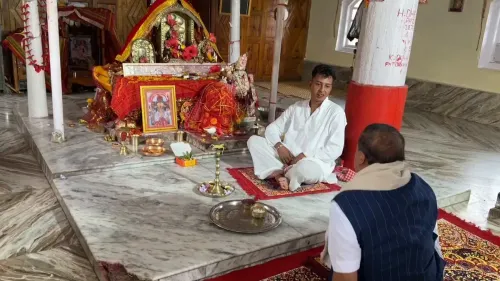
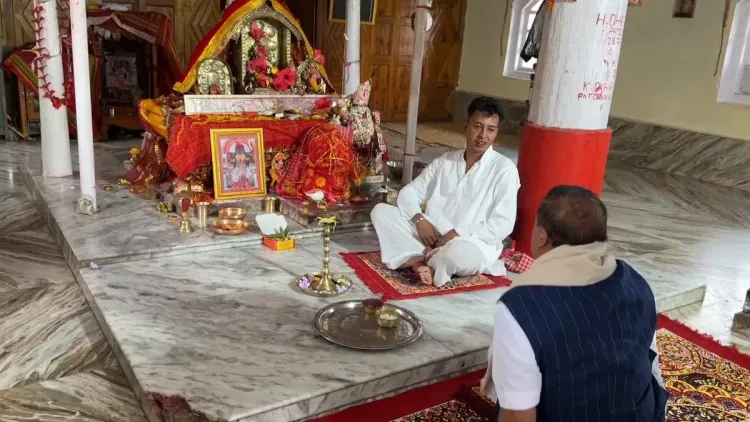
Assam Chief Minister Dr. Himanta Biswa Sarma visited the Maa Jayanti Shakti Peetha at Nartiang in Meghalaya's West Jaintia Hills on 9 July 2026, offering prayers for peace and welfare — continuing a pattern of cross-border religious and cultural engagement across the Northeast.
Key Takeaways
Himanta Biswa Sarma visited Maa Jayanti Temple in Nartiang, West Jaintia Hills, Meghalaya on 9 July 2026 .
The temple is one of the 51 Shakti Peethas and is among the most sacred pilgrimage sites in the region.
The visit was officially announced by the Chief Minister's Office of Assam via its official X account.
Prayers were offered for the peace, progress, and welfare of all, according to the official post.
Such cross-border religious visits by Northeastern Chief Ministers are an established pattern aimed at reinforcing regional harmony and shared cultural heritage.
Observers will watch for any follow-up tourism or cultural cooperation announcements between Assam and Meghalaya .
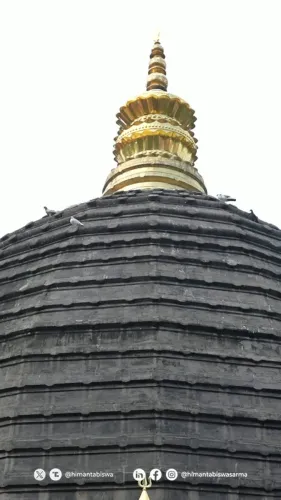
The Chief Minister's Office of Assam announced on Thursday, 9 July 2026 that Chief Minister Dr. Himanta Biswa Sarma visited the Maa Jayanti Temple, a revered Shakti Peetha located in Nartiang village, West Jaintia Hills district, Meghalaya, and offered prayers for the peace, progress, and welfare of all.
Context
The Maa Jayanti Temple at Nartiang is one of the 51 Shakti Peethas — among the most sacred pilgrimage sites in the Hindu tradition — and is regarded as an ancient seat of the Goddess Jayanti. Nartiang, situated in the West Jaintia Hills of Meghalaya, draws pilgrims from across the Northeast, including large numbers from neighbouring Assam, reflecting the deep religious and cultural ties between the two states.
CM Himanta Biswa Sarma, who has served as Chief Minister of Assam since May 2021, has made visits to religious and cultural sites across the Northeast a recurring feature of his public engagements.
Policy Backdrop
State governments across the Northeast have periodically organised and supported cross-border visits to Shakti Peethas since at least the early 2010s, viewing shared sacred sites as instruments for reinforcing regional cultural heritage. These efforts have run alongside broader initiatives to develop religious tourism circuits connecting Assam, Meghalaya, and other states in the region.
Chief Ministers of Northeastern states visiting religious sites in neighbouring states is an established pattern — one that carries both cultural symbolism and administrative signalling. Such visits are widely read as gestures of regional harmony and an acknowledgement of the shared sacred geography that transcends state boundaries.
Stakeholders and Impact
The visit holds significance for local communities in Nartiang and the broader West Jaintia Hills district, for whom the temple is a central site of identity and pilgrimage. The regional tourism sector also stands to benefit, as high-profile visits by sitting Chief Ministers tend to raise the profile of pilgrimage destinations and can spur interest in developing supporting infrastructure.
For pilgrims from Assam and Meghalaya alike, the temple at Nartiang represents a shared devotional tradition that predates modern state boundaries. CM Sarma's visit reinforces that continuum and may encourage greater footfall from Assam to this Shakti Peetha.
What's Next
Observers will watch for any joint statements or tourism development announcements emerging from interactions between the Assam and Meghalaya governments in the wake of this visit. The Northeast's Shakti Peetha circuit has long been discussed as a candidate for coordinated inter-state tourism promotion, and visits of this nature often precede or accompany such conversations.
As the Northeast continues to position itself as a religious and cultural tourism destination, CM Sarma's visit to Maa Jayanti Temple adds another data point to a pattern of cross-border cultural diplomacy that is likely to intensify in the months ahead.
Point of View
Such visits serve a dual purpose: they reinforce his image as a leader attuned to Hindu religious traditions while simultaneously deepening Assam's informal ties with Meghalaya at a time when inter-state cooperation on infrastructure and trade remains a live agenda. The choice of a Shakti Peetha — sacred to communities across linguistic and ethnic lines — broadens the symbolic reach of the gesture beyond any single constituency. Whether this visit catalyses concrete policy outcomes, such as a joint religious tourism circuit, will be the real measure of its significance.
NationPress
8 Oct 2026
Frequently Asked Questions
Where is Maa Jayanti Temple located?
Maa Jayanti Temple is located in Nartiang village in the West Jaintia Hills district of Meghalaya . It is one of the 51 Shakti Peethas and is considered an ancient seat of the Goddess Jayanti.
Why did Assam CM Himanta Biswa Sarma visit Meghalaya?
CM Dr. Himanta Biswa Sarma visited Maa Jayanti Temple at Nartiang in Meghalaya on 9 July 2026 to offer prayers for the peace, progress, and welfare of all, as announced by the Chief Minister's Office of Assam.
What is a Shakti Peetha?
A Shakti Peetha is one of 51 sacred Hindu pilgrimage sites associated with the goddess Shakti, spread across the Indian subcontinent. Maa Jayanti Temple at Nartiang in Meghalaya is one of these revered sites.
Is Nartiang a famous pilgrimage site in Meghalaya?
Yes, Nartiang in Meghalaya is recognised as an important pilgrimage destination, home to the Maa Jayanti Temple , one of the 51 Shakti Peethas. It draws devotees from across the Northeast, including Assam.
What is the significance of CM Sarma visiting temples in Meghalaya?
Such visits reflect an established pattern among Northeastern Chief Ministers of engaging with sacred sites in neighbouring states to signal regional harmony and shared cultural heritage, and may also support efforts to develop cross-border religious tourism circuits.